pronounced tie-see
Menu

Menu
USPS promotions may not be the most exciting part of planning a campaign—but saving on postage certainly helps.
For 2027, USPS has five promotions, two stackable add-ons and three incentives. These programs are designed to reduce postage costs when mailers use specialty finishes, connect print to digital experiences, choose qualifying sustainable paper, grow mail volume or test direct mail for the first time.
A quick note before we dive in: USPS has released final 2027 guidance for First-Class Mail Advertising, Tactile, Sensory & Interactive, Integrated Technology, Impact Messaging and both add-ons. Guidance for Direct Mail Discovery is still being finalized, and additional 2027 Mail Growth details are expected. We’ll keep updating this guide as USPS releases new information.
One rule worth knowing: Mailpieces that actively encourage recipients to go paperless or opt out of receiving mail aren't eligible for USPS promotion or add-on discounts. You can still promote digital experiences — just not by discouraging mail.
Following the end of the Catalog Insights Promotion, USPS introduced a new Catalog Incentive effective July 12, 2026. It offers $0.001 in savings per qualifying piece — a very different savings structure from the former promotion.
The Continuous Contact Promotion is not included in the 2027 lineup.
Mailers that previously used it may want to explore other opportunities based on their campaign, including Integrated Technology, Informed Delivery or the Mail Growth Incentive.
Savings: 5% postage discount
Runs: May 1–September 30, 2027
Registration: March 15–September 30, 2027
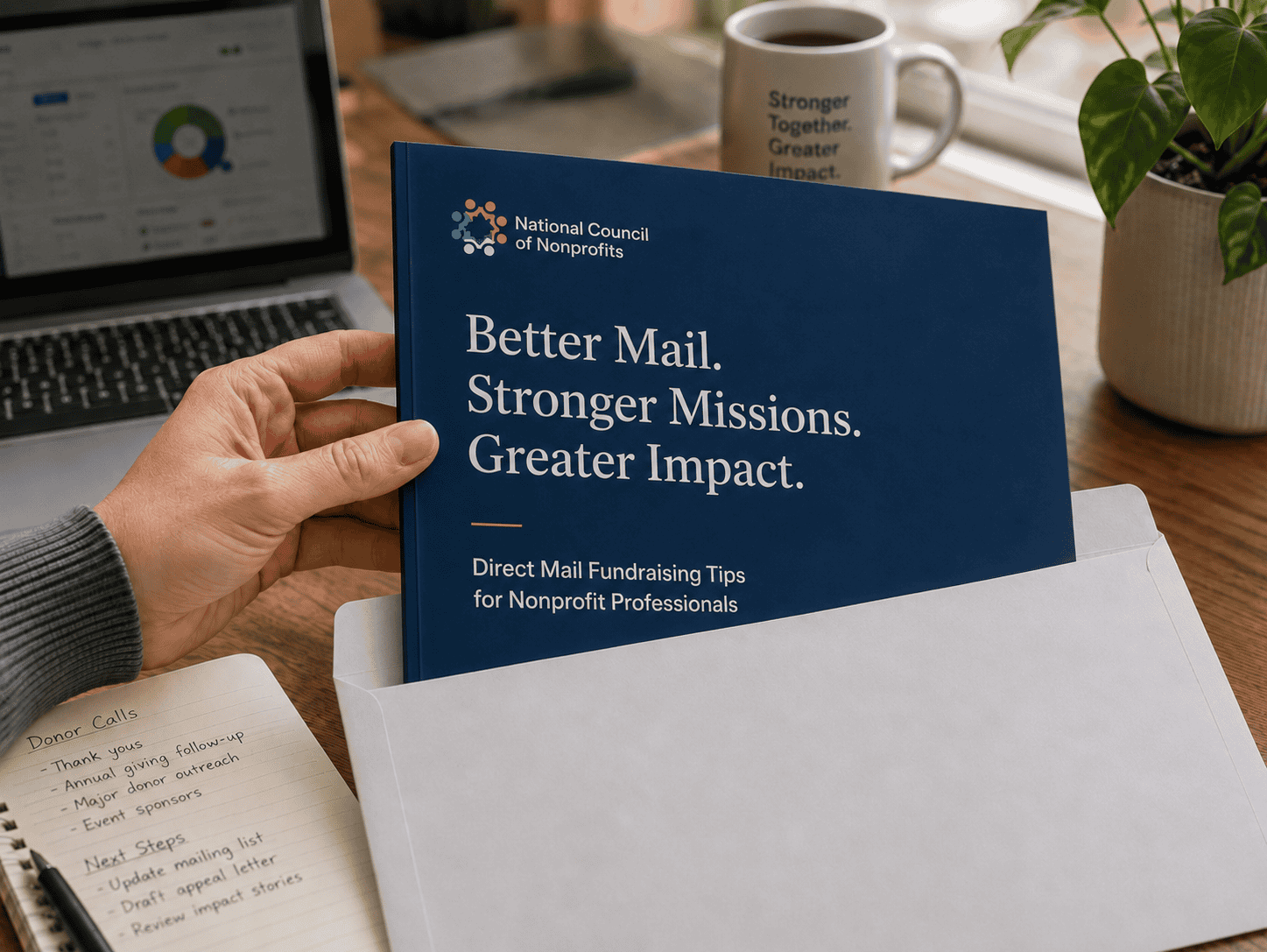
Impact Messaging is an entirely new promotion.
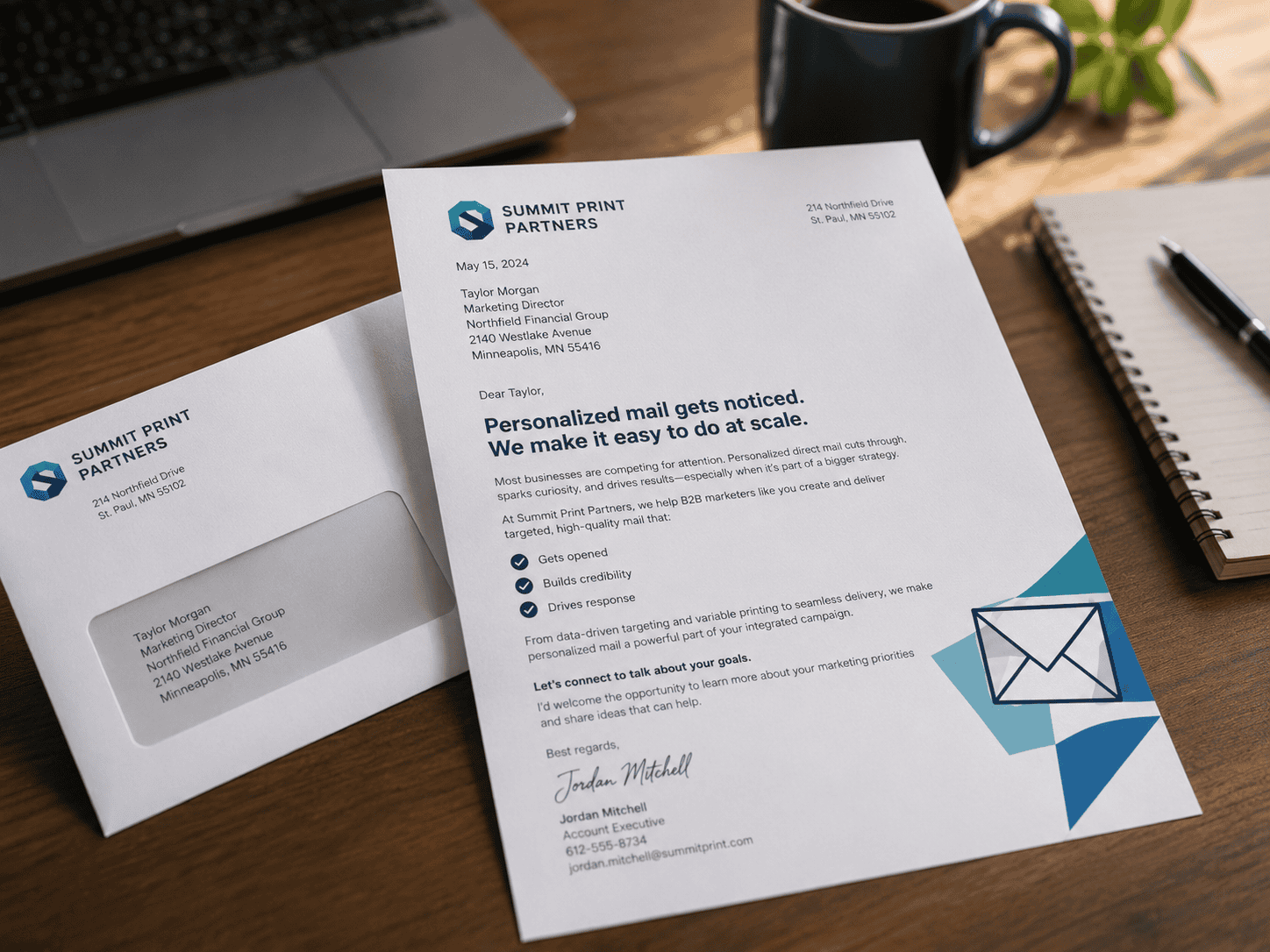
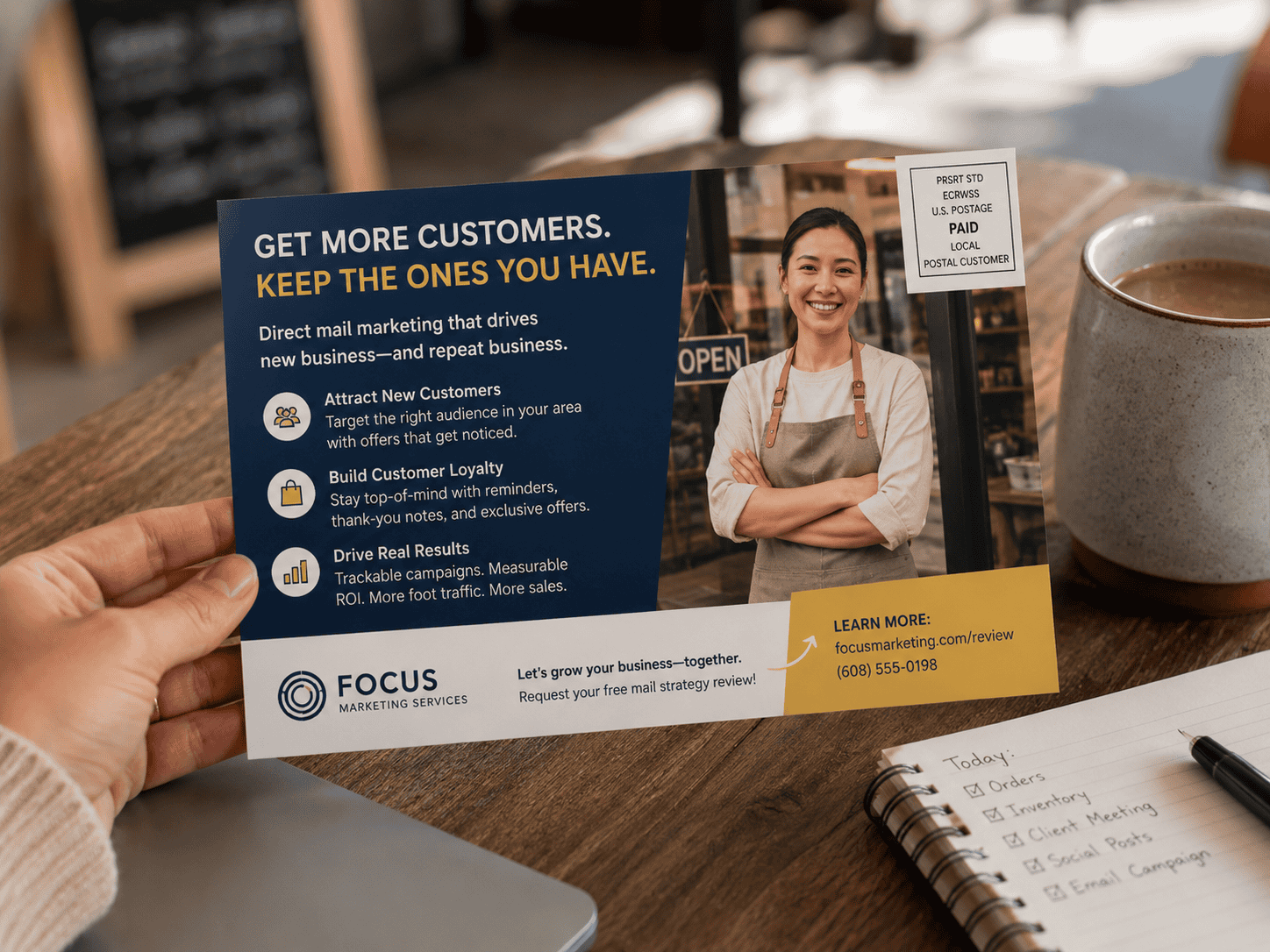
The qualifying message must encourage mail creation, promote USPS offerings or highlight the value of mail. A strong headline or call to action alone is not enough.
Business-to-business: A commercial printer sends a letter explaining how personalized mail can help a company reach prospects and support a larger campaign.
Business-to-consumer: A marketing services provider sends educational mail to local business owners about using direct mail for customer acquisition and retention.
Nonprofit: A professional association shares direct-mail fundraising tips with nonprofit communicators or development professionals.
The piece may promote your services, but it should also teach the recipient something meaningful about using mail.
Savings: 40% postage discount
Register: February 15–September 30, 2027
Proposed Run: April 1–September 30, 2027
2027 details reflect current proposed USPS program terms and may change when final guidance is released.
Up to 5,000 pieces per mailing
Up to 100,000 discounted pieces during the promotion period
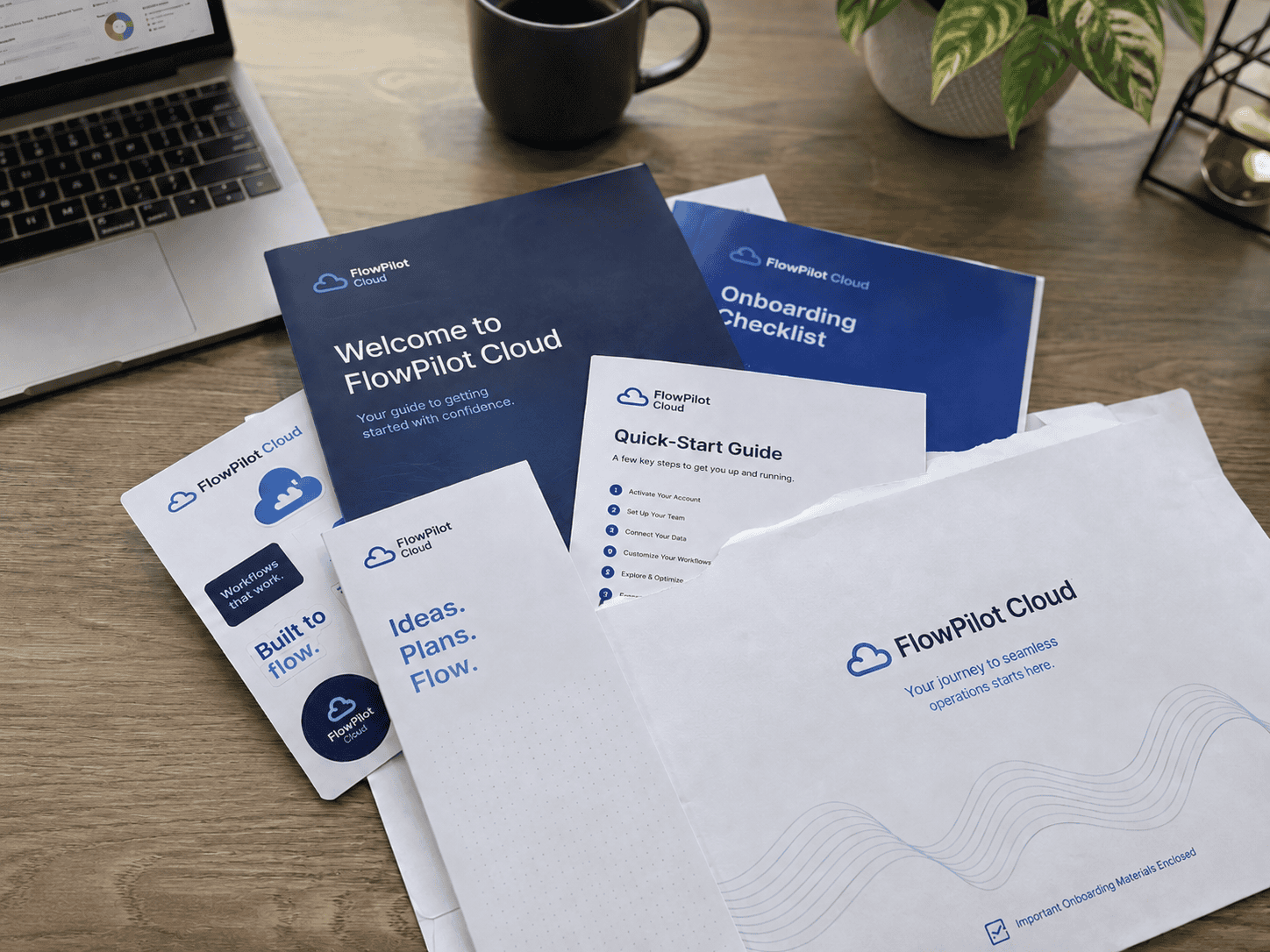
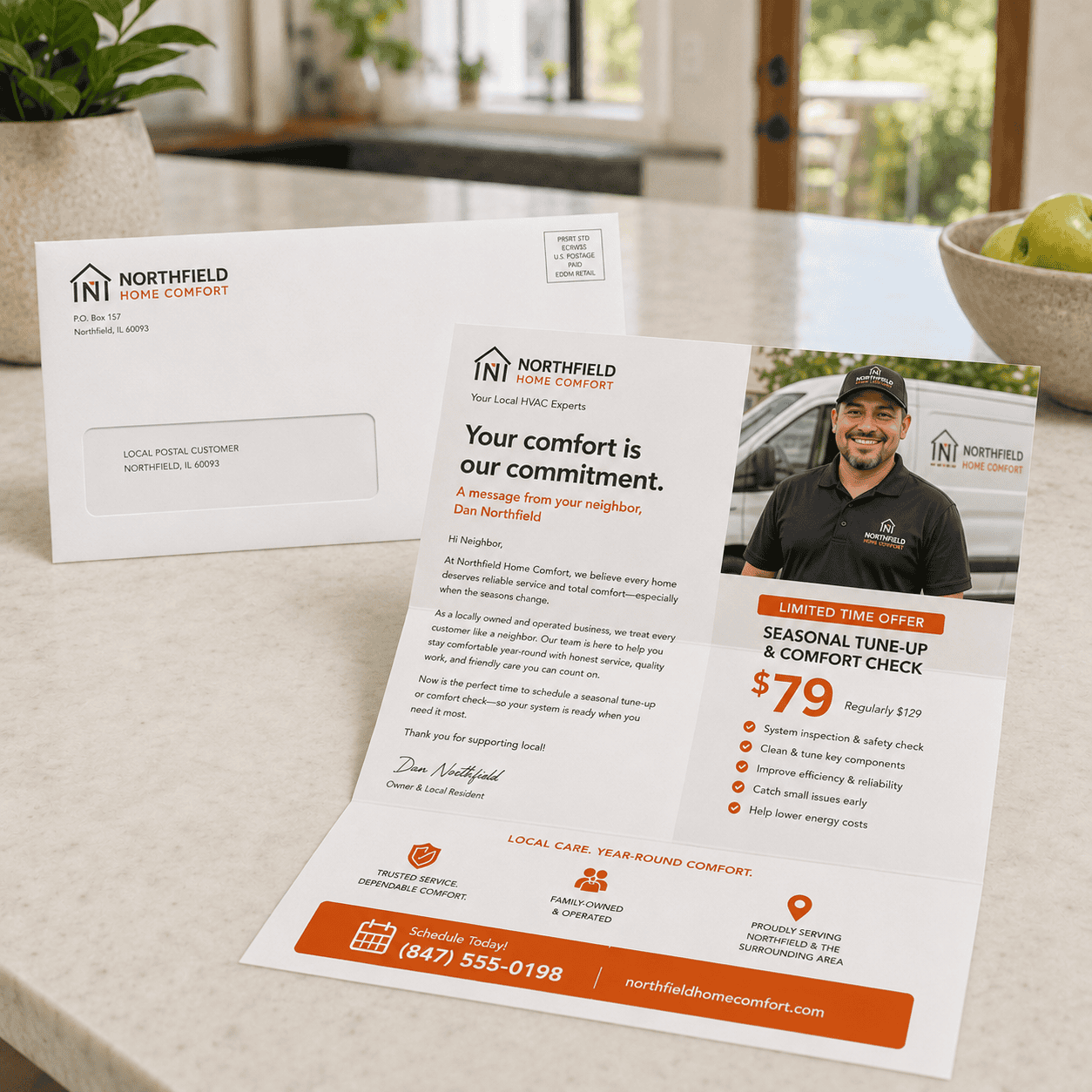
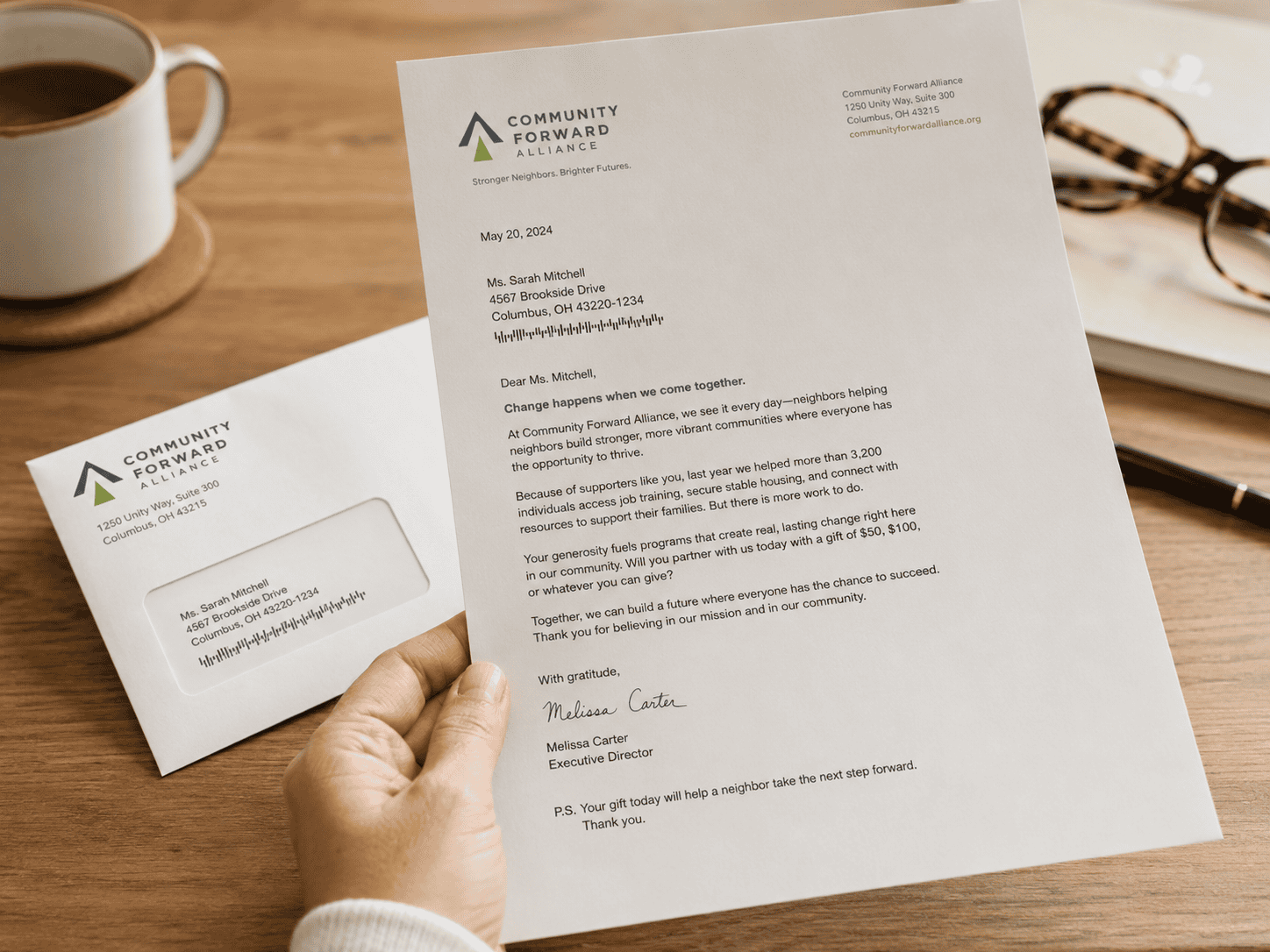
Direct Mail Discovery is an entirely new promotion for businesses and organizations entering or returning to the mail channel.
Business-to-business: A SaaS company sends a letter package with onboarding materials and branded collateral to welcome a newly signed business customer and support a strong start to the relationship.
Business-to-consumer: A home services company introduces itself to households in its service area with a seasonal offer.
Nonprofit: A nonprofit organization sends a letter from its executive director to support a donor acquisition or membership campaign and re-engage its audience through direct mail.
A new campaign does not make an existing mailer “new.” The organization itself must meet the USPS new-mailer definition.
Savings: 5% postage discount
Runs: April 1–December 31, 2027
Registration: February 15–December 31, 2027
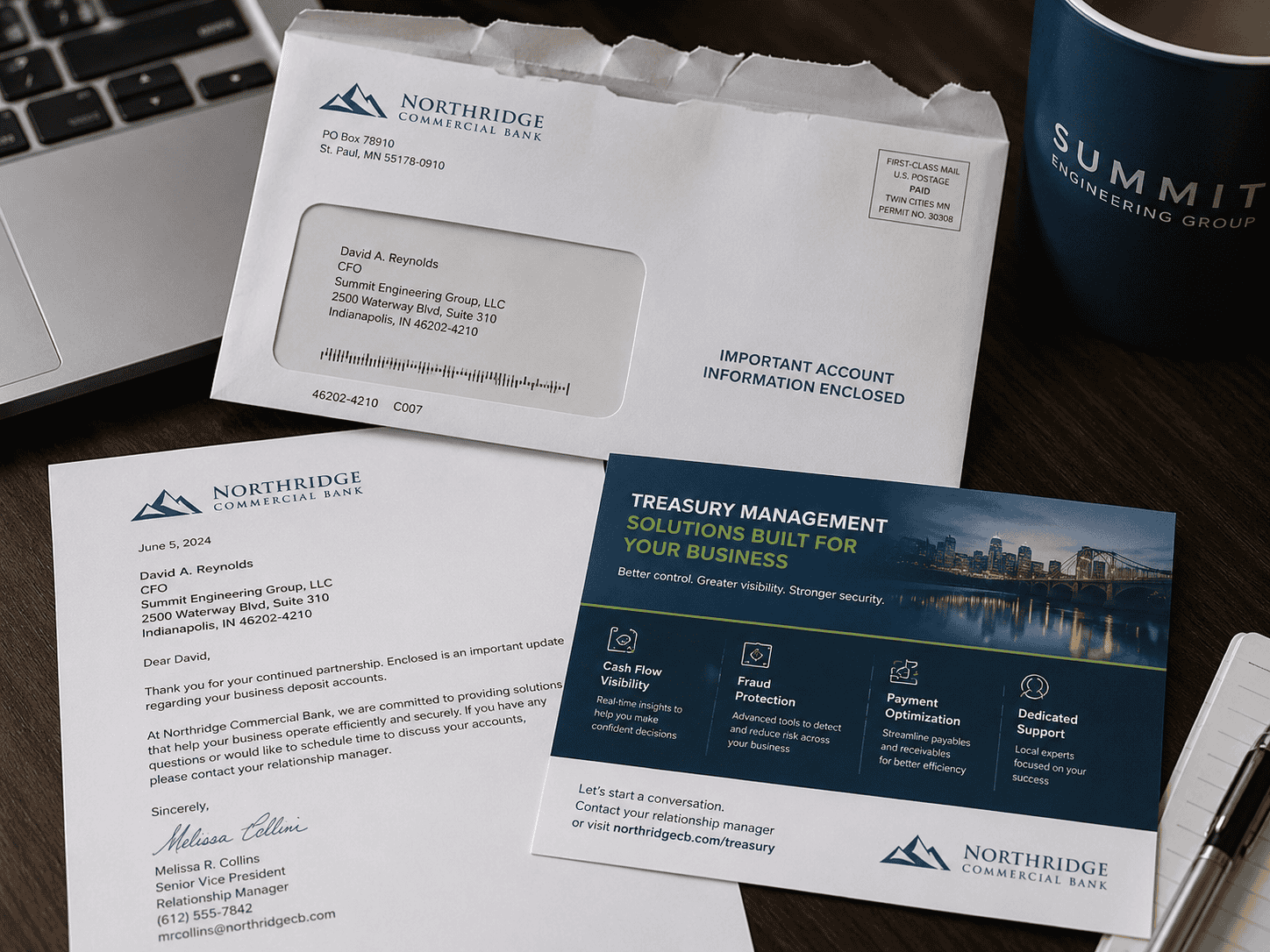
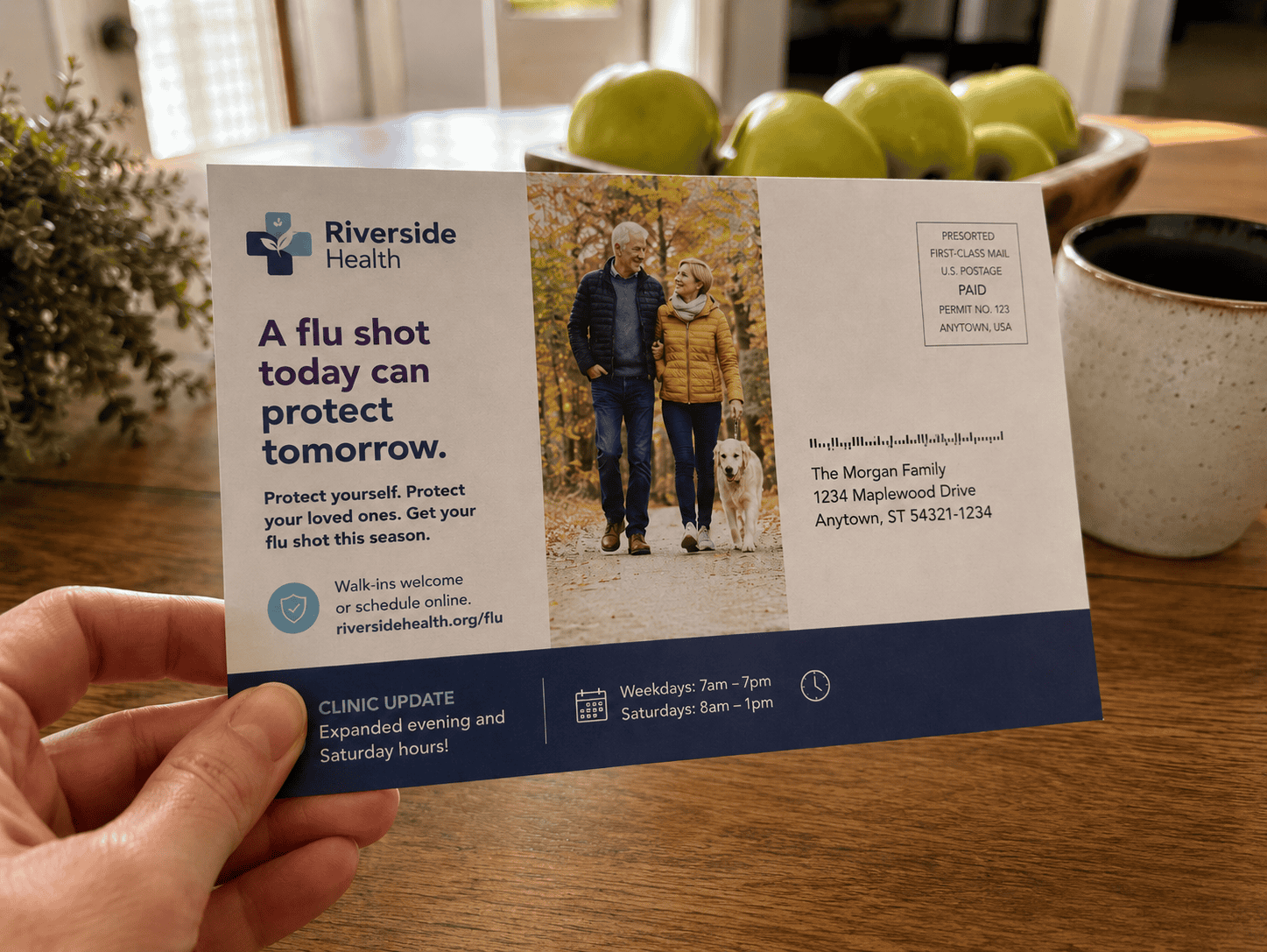
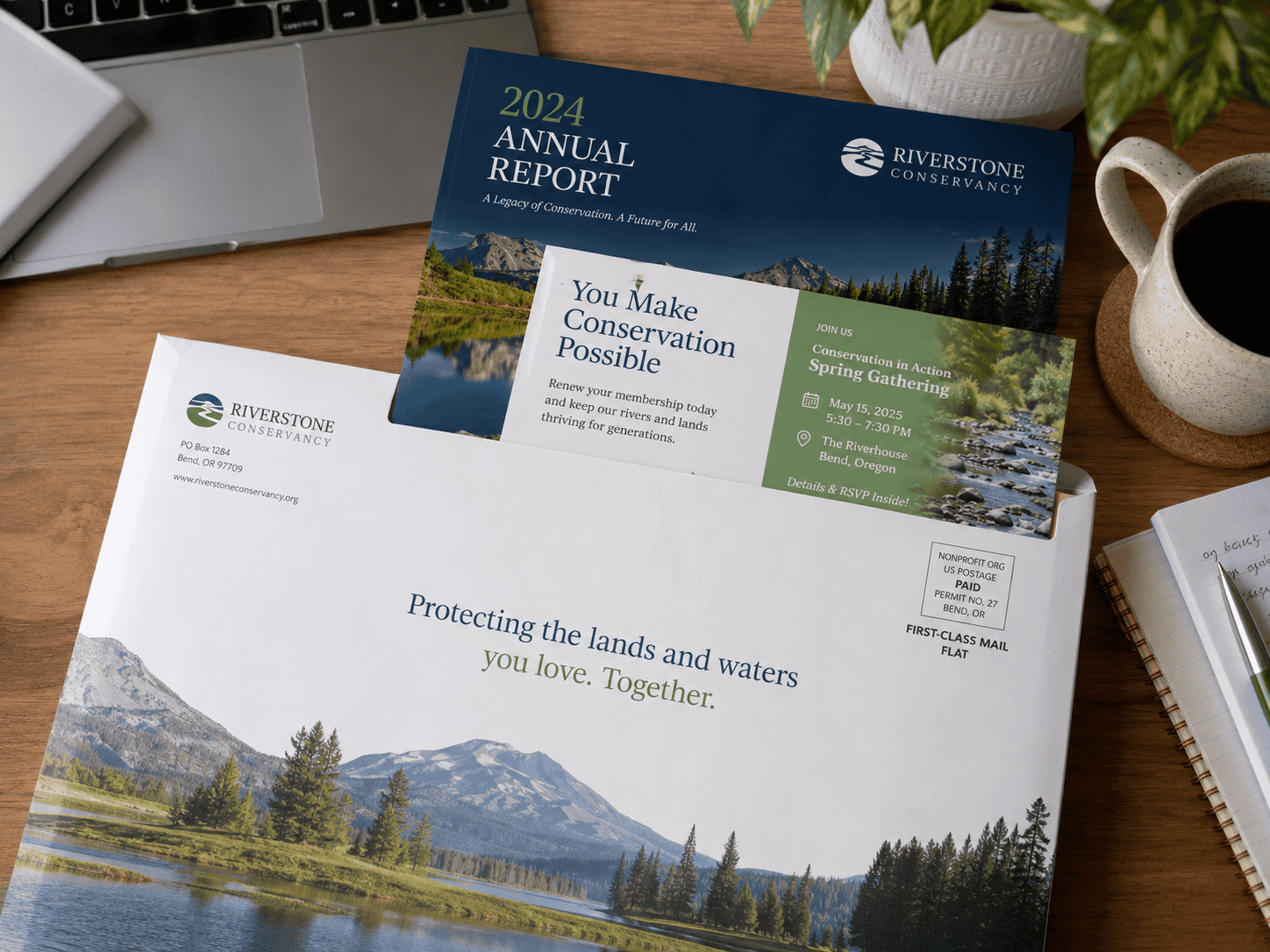
First-Class Mail advertising has more room to work. Standalone First-Class advertising pieces can qualify, as can marketing messages incorporated into another First-Class piece. New for 2027, supplemental enclosures such as buck slips, blow-in cards and sticky notes may also qualify when they carry an eligible marketing message.
Business-to-business: A financial services company includes an insert promoting treasury management with a business account communication.
Business-to-consumer: A healthcare organization promotes a seasonal flu-shot clinic and directs recipients to schedule an appointment.
Nonprofit: A membership organization includes information about an event, renewal opportunity or giving campaign with an annual report.
Savings: 3% for Basic treatments or 5% for Advanced treatments
Runs: January 1–June 30, 2027
Registration: October 15, 2026–June 30, 2027
3% for Basic Techniques
Things like conductive inks, thermochromics, metallic/optically variable inks, pressure-sensitive ink, non-UV gloss treatments, perforated cards and holographic stickers are considered Basic.
5% for Advanced Techniques
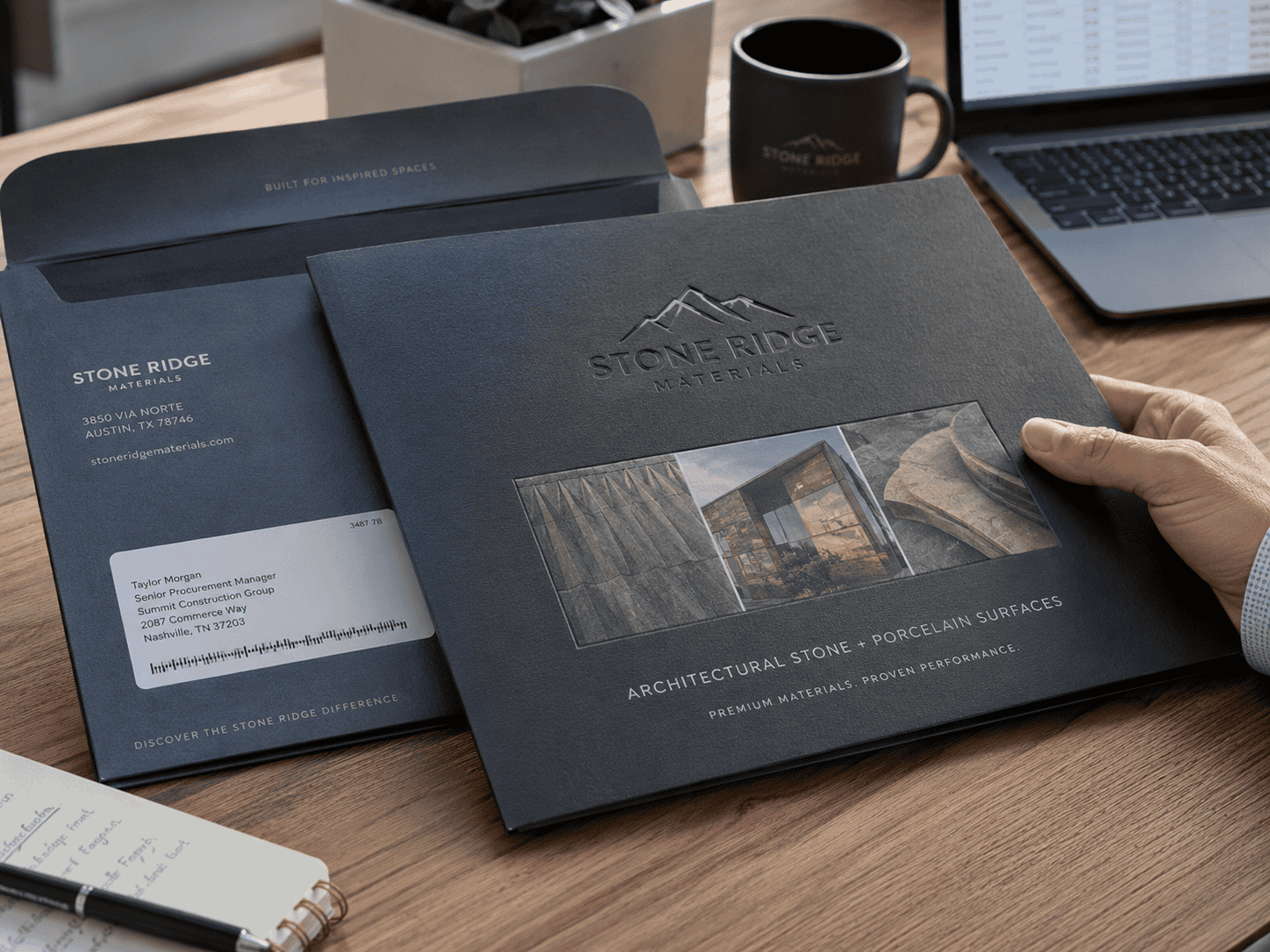
Soft touch, distinguishable embossing, unique textures, scent, holographic/lenticular treatments, UV gloss, 3-D mailers, pop-ups, peel-and-reveal/scratch-offs and pull-open zip strips fall into Advanced.
Business-to-business: A manufacturer uses embossing or a textured coating to reinforce the quality of its materials.
Business-to-consumer: A home furnishings brand uses soft touch to evoke the feel of its products.
Nonprofit: A fundraising appeal uses a peel-and-reveal, pop-up or pull-open zip strip to reveal a donor story or campaign result.
Not every unusual fold or coating qualifies. USPS is looking for treatments that are visible, distinguishable and meaningfully add to the mail experience.

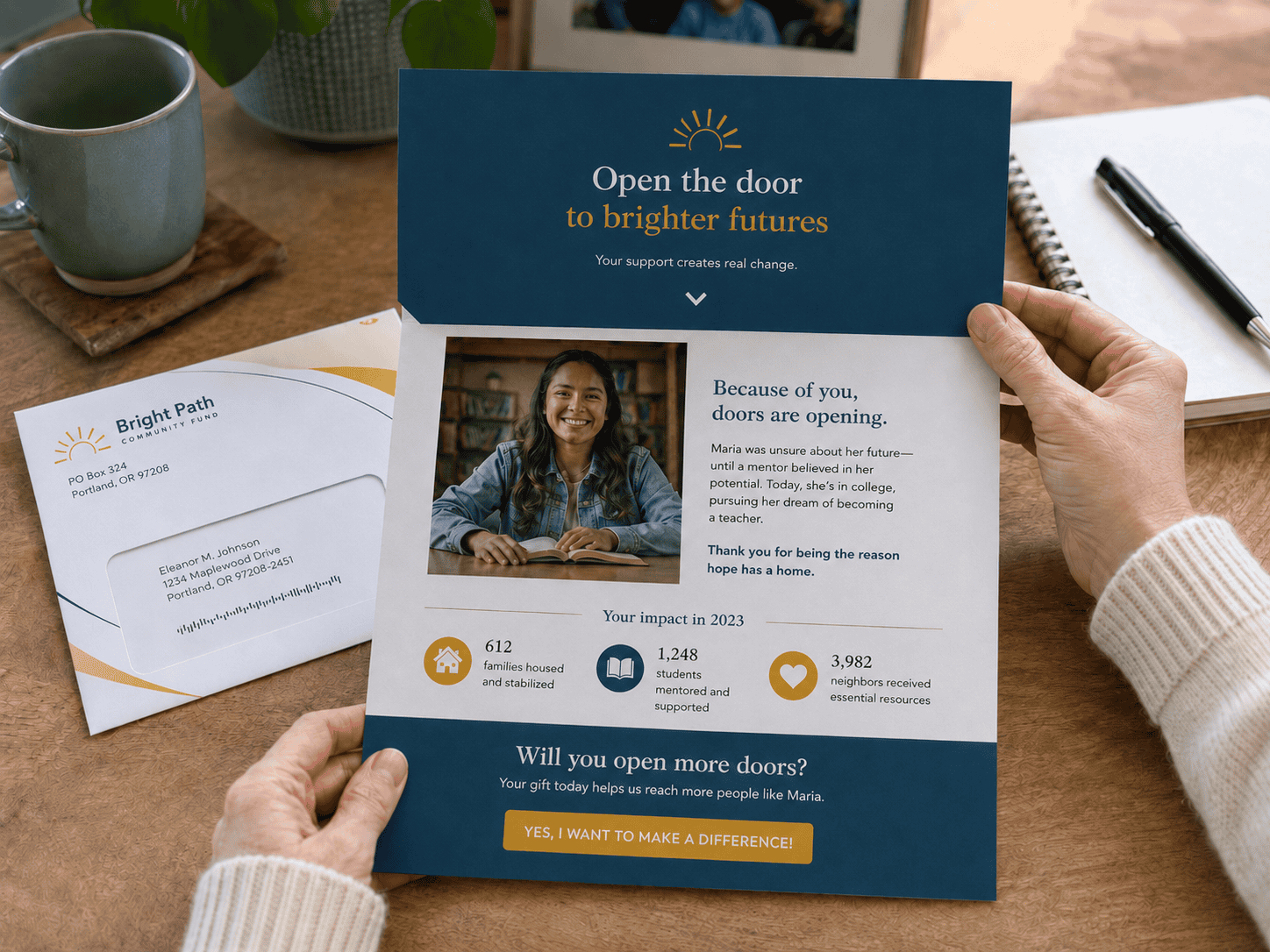
Savings: 5% postage discount
Runs: Your choice of six consecutive months in 2027
Registration: November 15, 2026–December 31, 2027
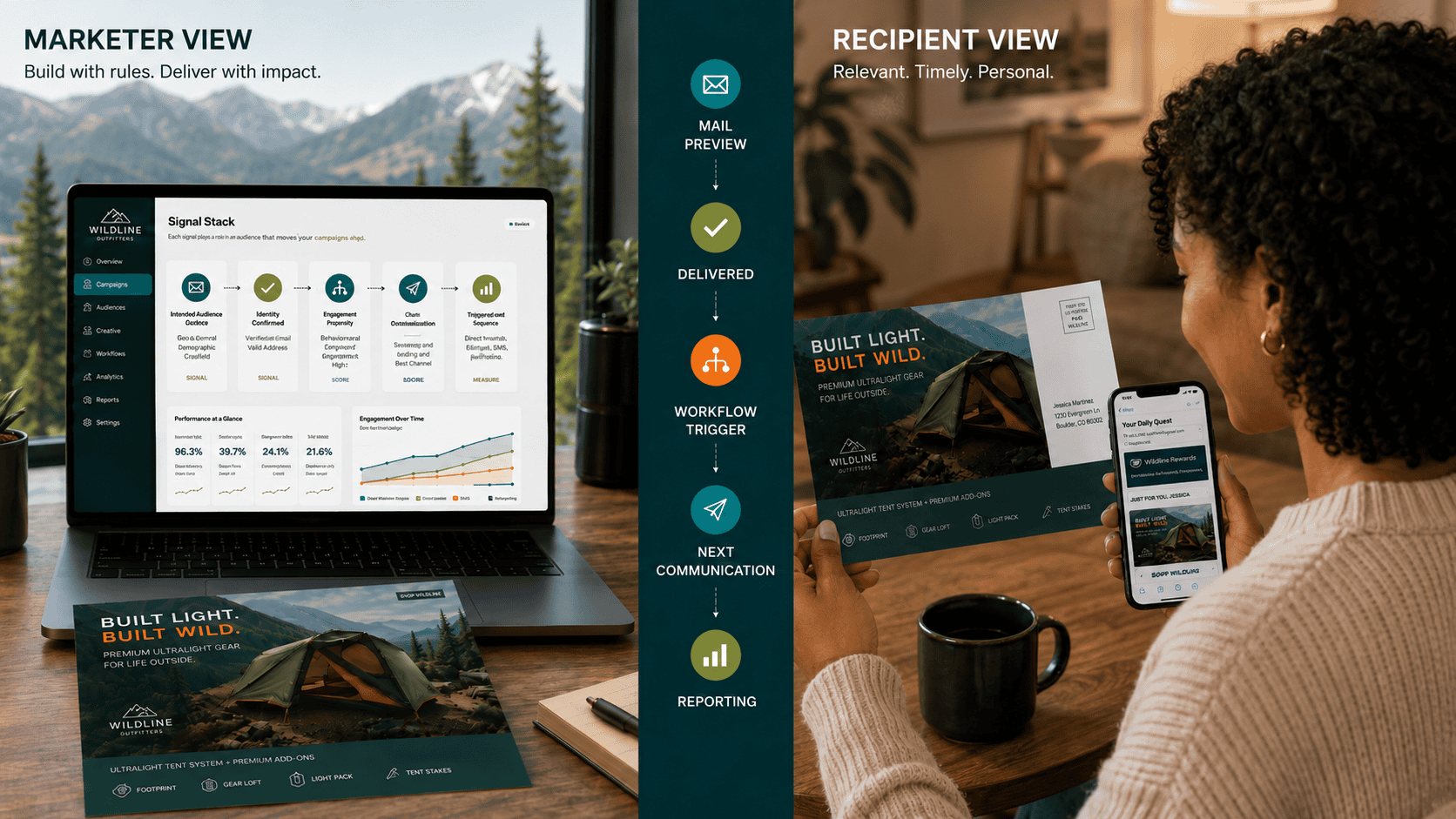
Qualifying technologies include augmented reality, mixed reality, virtual reality, video in print, near-field communication, mobile shopping, voice integrations and artificial intelligence.
Qualifying uses can include AI-generated copy, imagery or mailpiece design, as well as mail that connects recipients to an AI-powered chatbot. USPS requires documentation showing how the technology contributed to the final piece, so this one benefits from planning early.
Business-to-business: A manufacturer lets prospects explore equipment features through augmented reality.
Business-to-consumer: A retailer connects a mailpiece to an interactive product or mobile shopping experience.
Nonprofit: An organization links recipients to an immersive donor story or virtual facility tour.
A QR code can be the trigger, but the QR code itself isn't the promotion. It needs to lead to a qualifying digital experience and include clear directional copy.
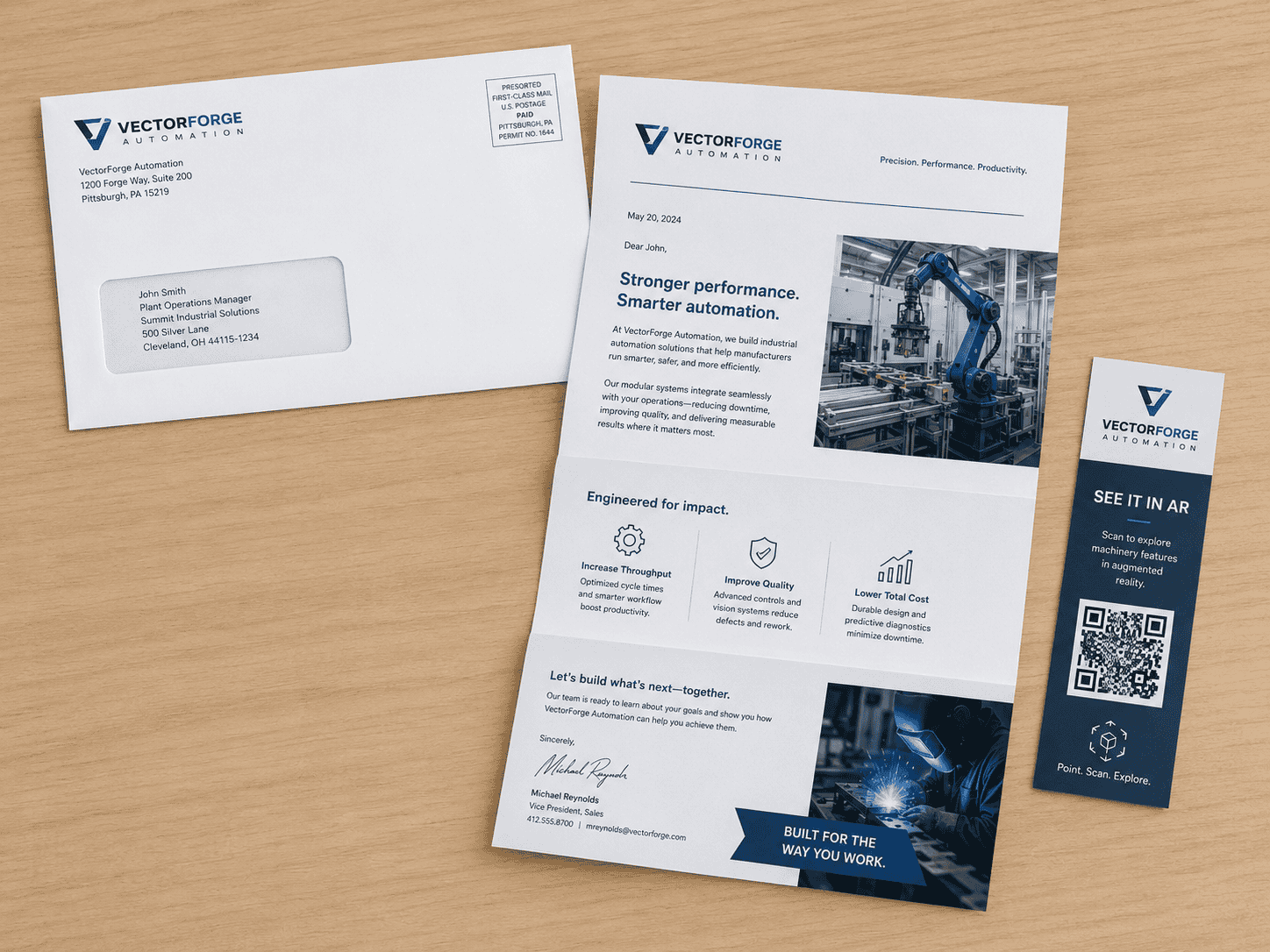
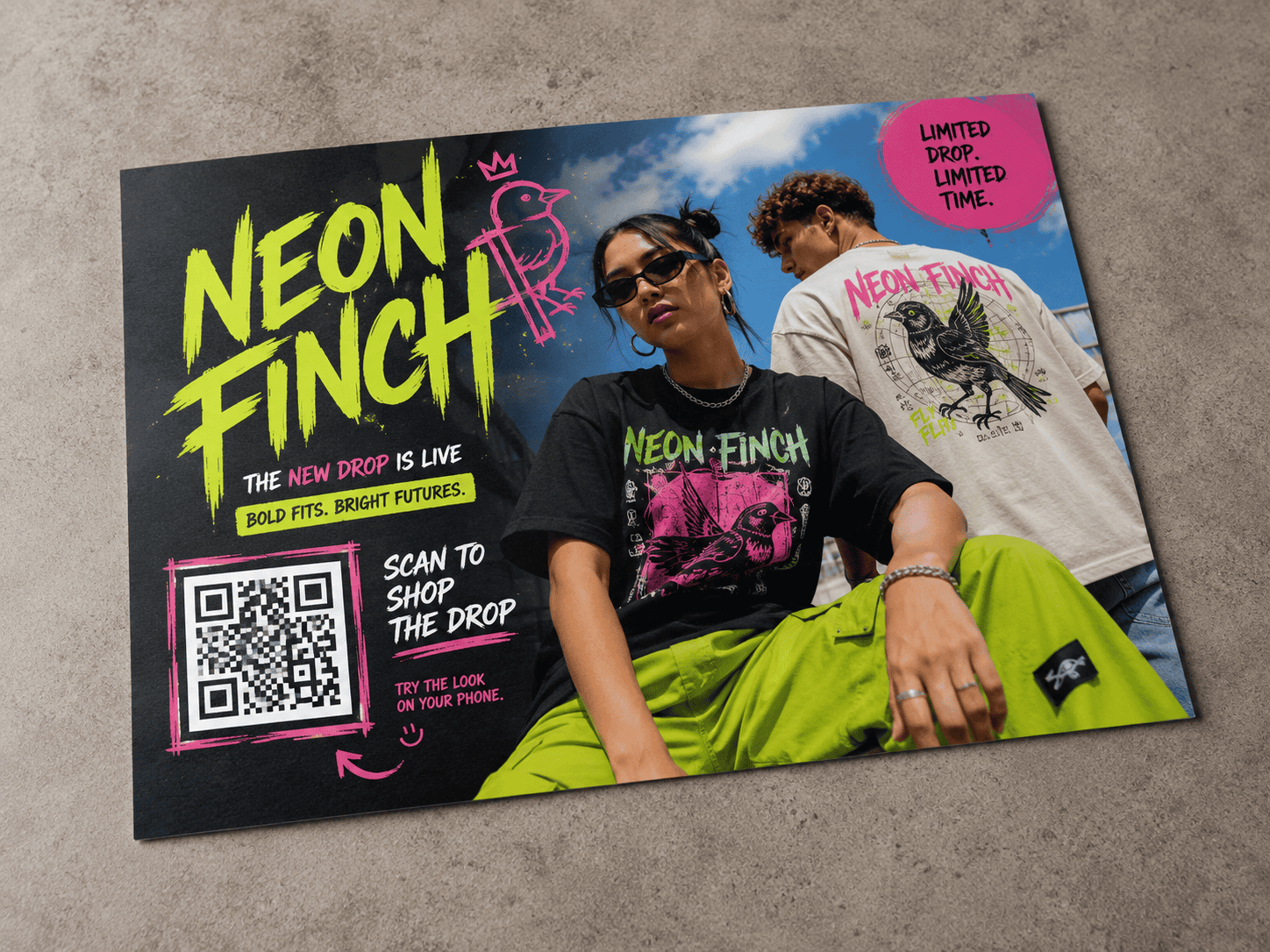
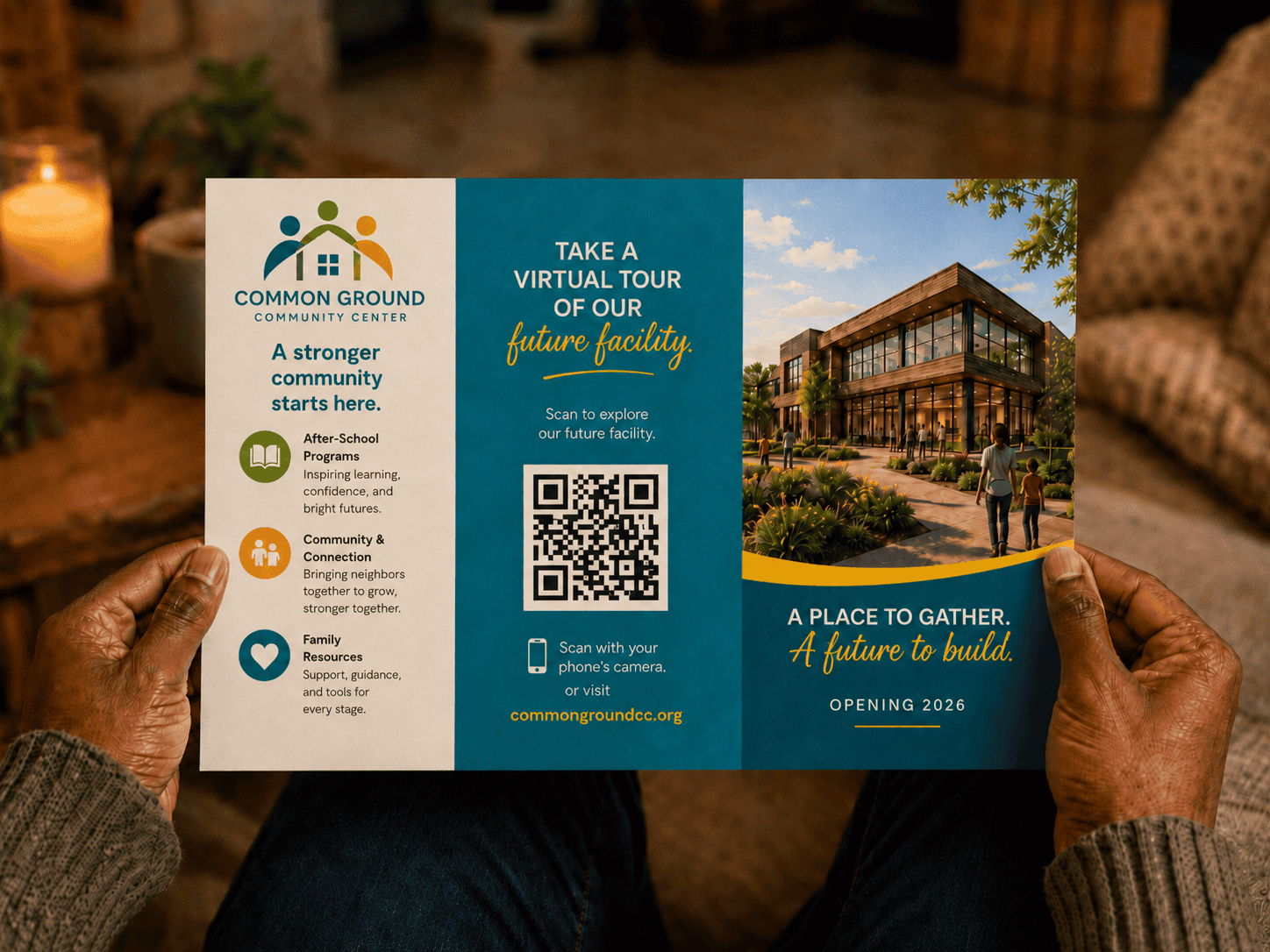
Savings: 1% additional postage discount
Runs: January 1–December 31, 2027
Registration: October 15, 2026–December 31, 2027
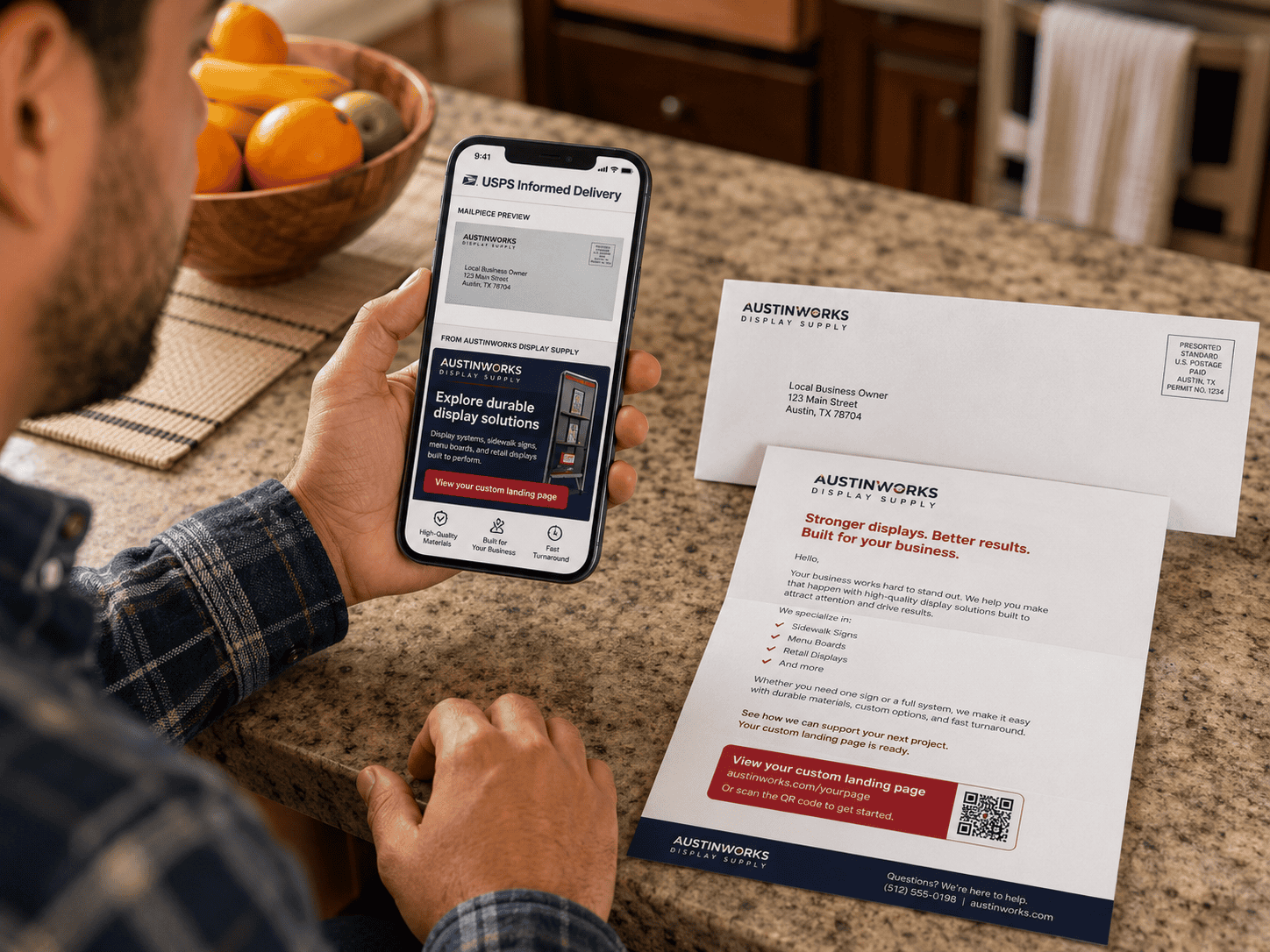
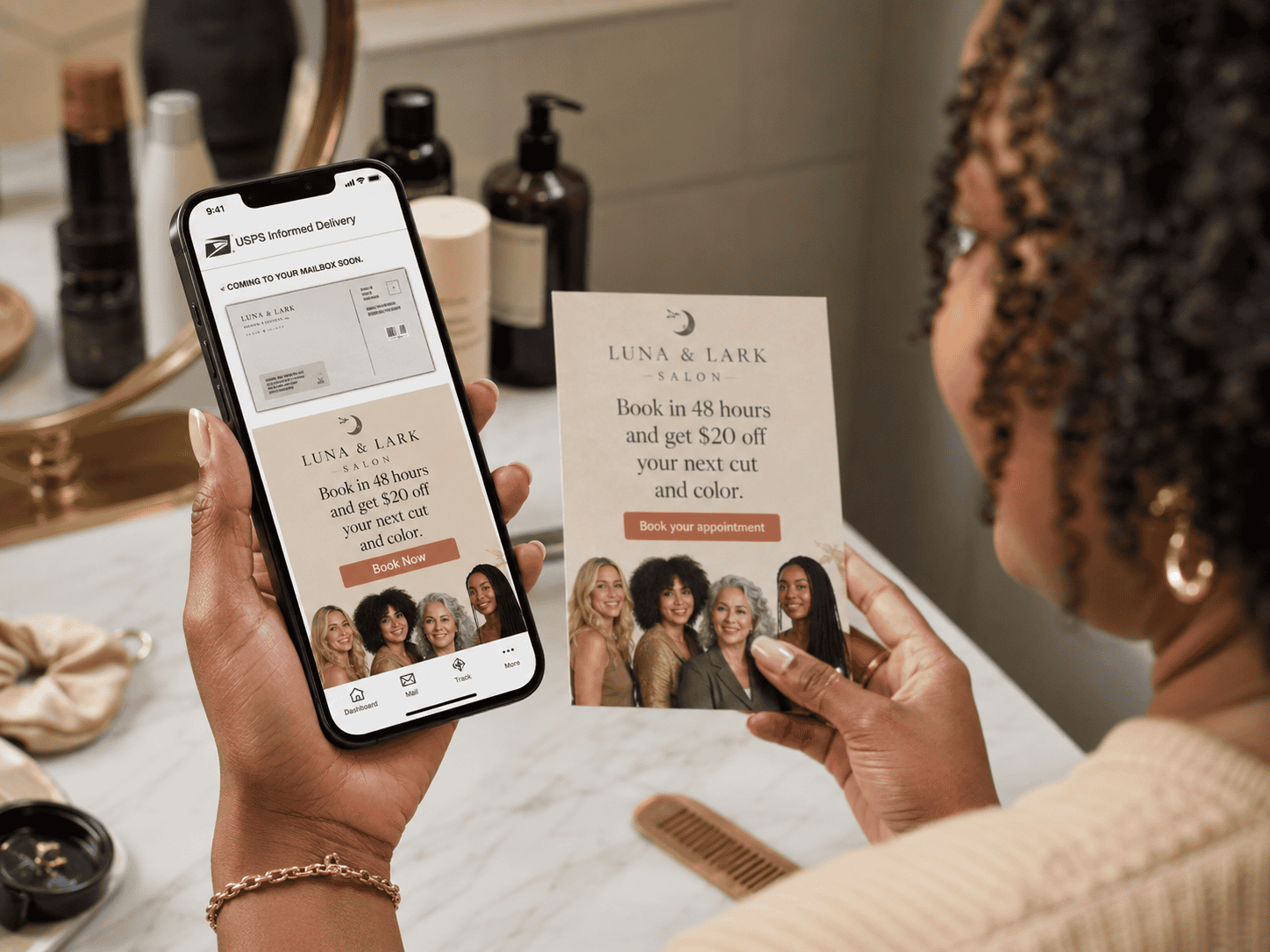
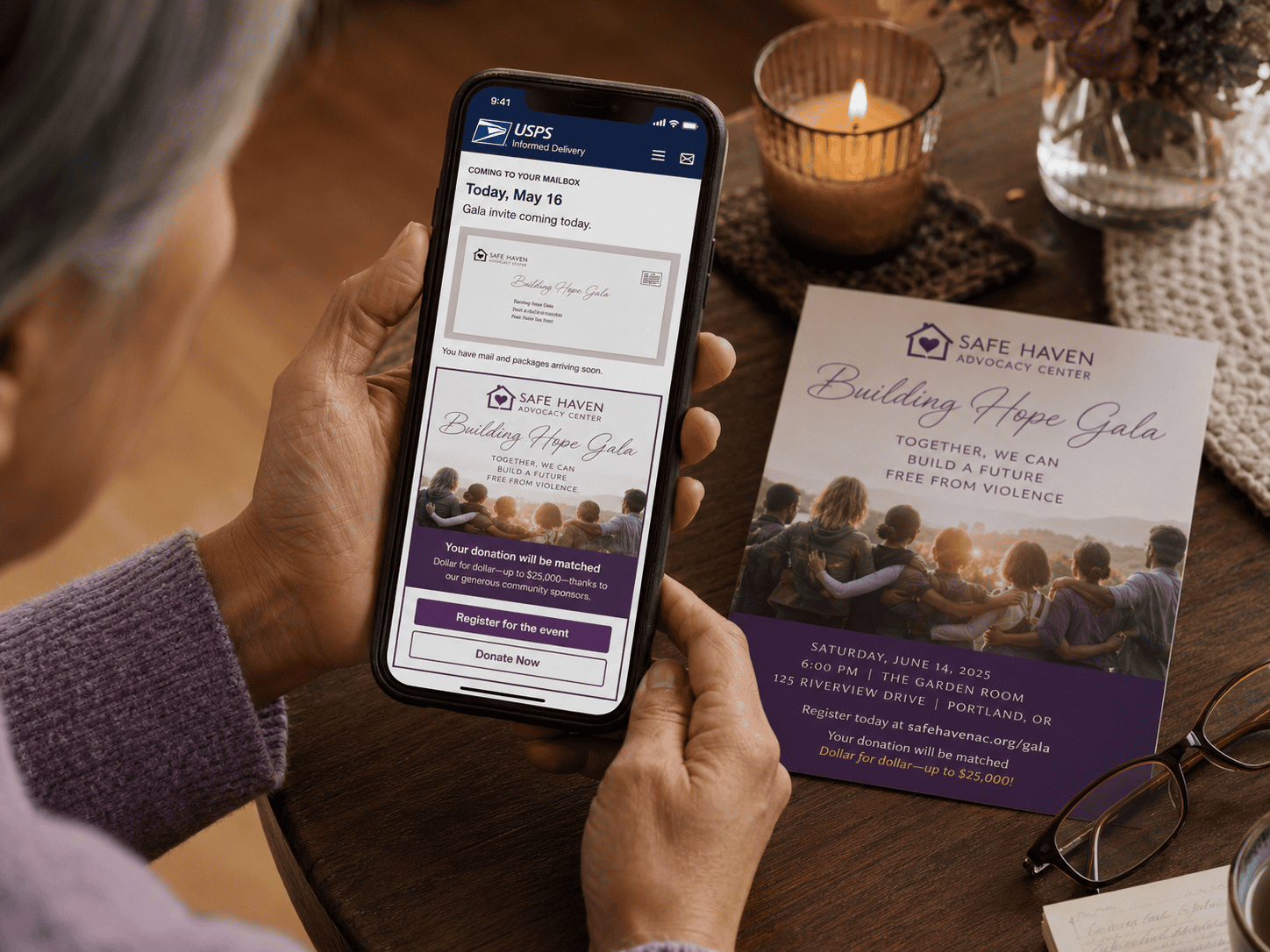
A branded digital image and linked call to action can create an additional impression before or around the time the physical piece arrives.
Business-to-business: Reinforce a prospecting letter with a campaign-specific landing page.
Business-to-consumer: Pair a mailed offer with a direct link to shop, register or book an appointment.
Nonprofit: Complement a fundraising appeal with a campaign image and donation link.
Informed Delivery is not a standalone promotion. It must be paired with an eligible base promotion.
Savings: 1% additional postage discount
Runs: January 1–December 31, 2027
Registration: October 15, 2026–December 31, 2027
Business-to-business: A company supports its environmental commitments with qualifying certified paper.
Business-to-consumer: A brand reinforces a responsible product or sourcing message.
Nonprofit: An organization aligns its fundraising materials with its environmental values.
Confirm the paper certification and documentation requirements before production. This is an add-on and must be paired with an eligible base promotion.

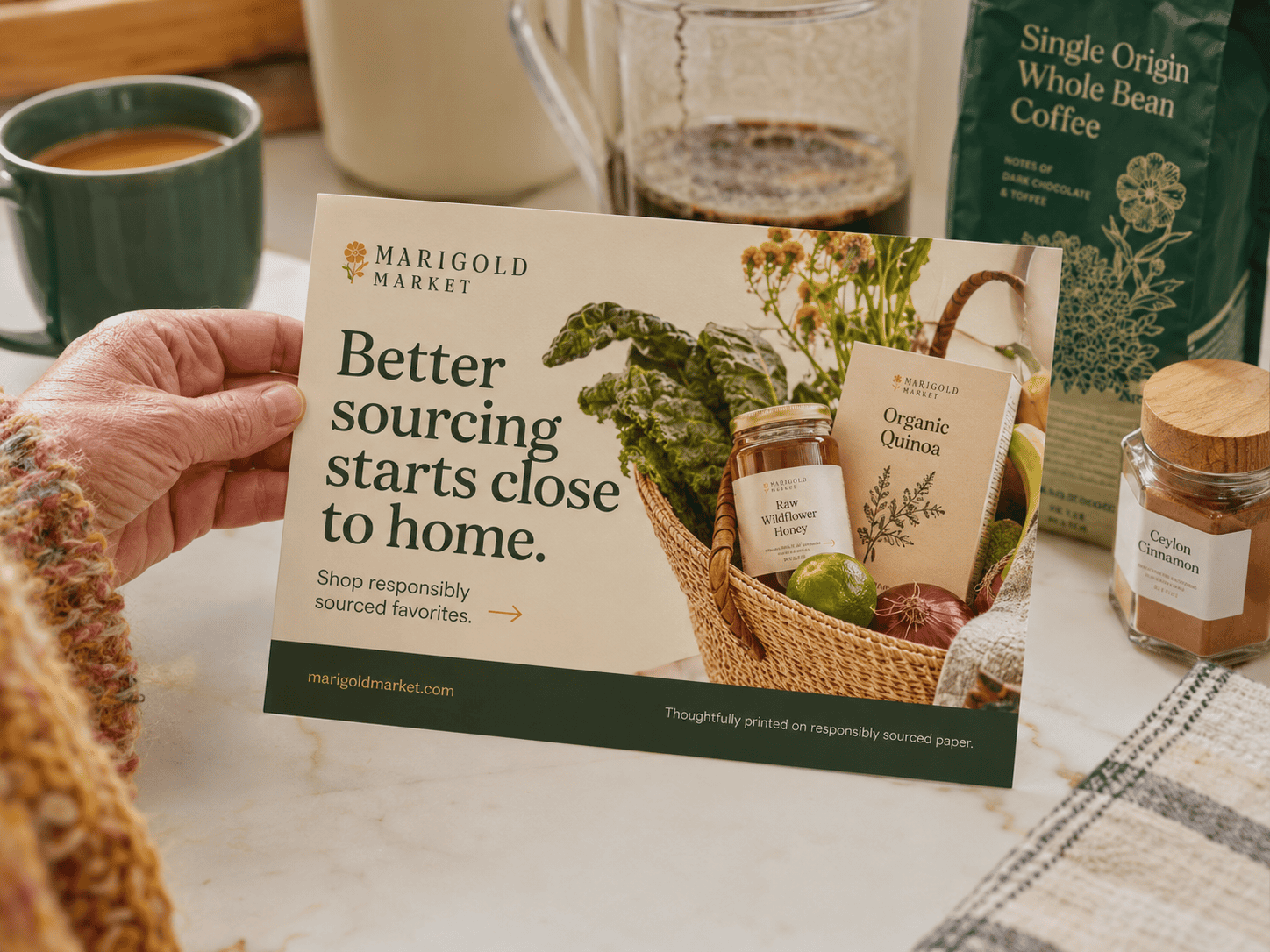
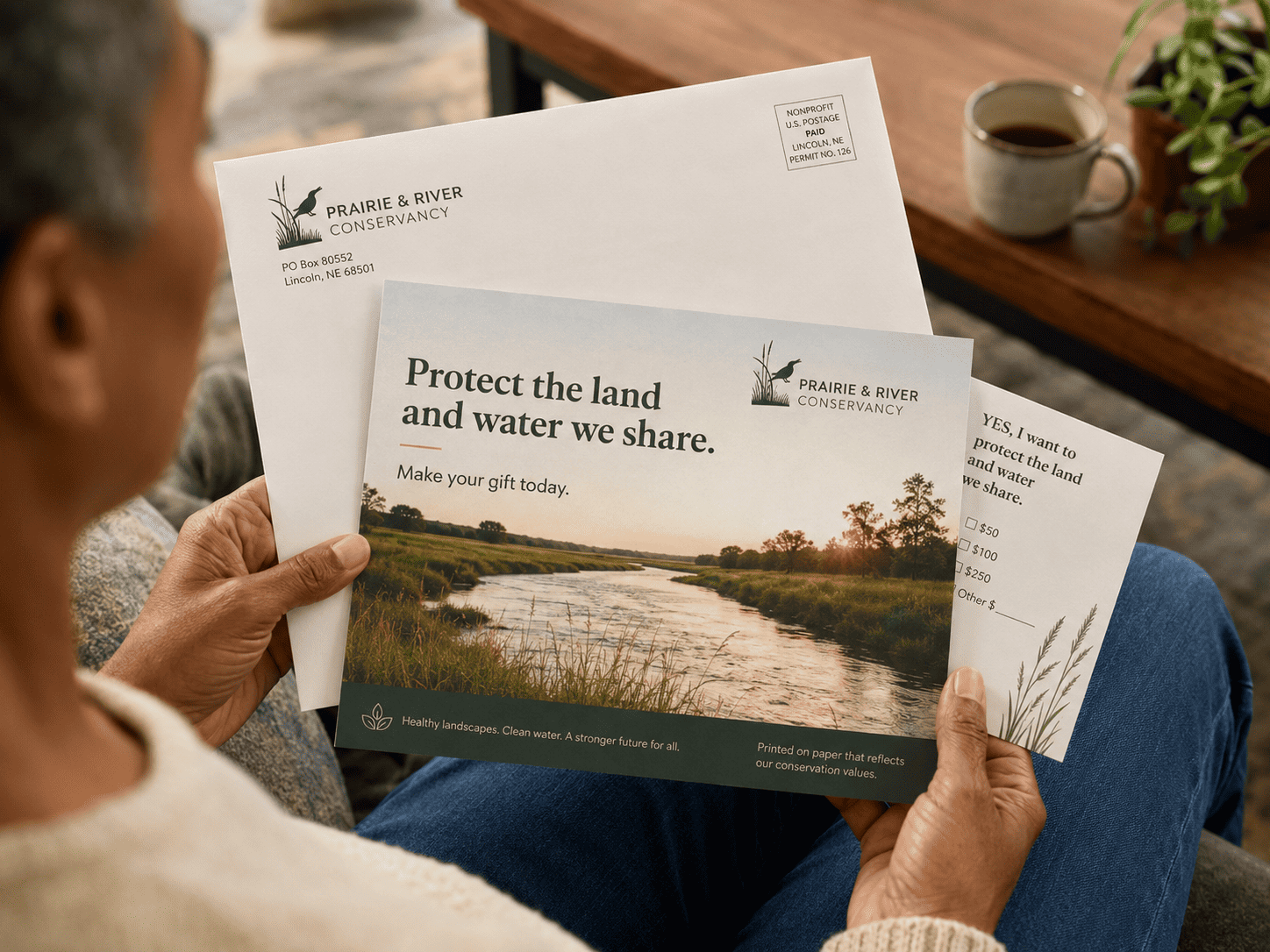
Informed Delivery and Sustainability are add-ons, not standalone promotions. A mailing must first qualify for an eligible base promotion before either add-on can be applied.
When all requirements are met, both add-ons may be used on the same qualifying mailing.
Savings: 20% discount
Effective: July 12, 2026
At least four different advertisers per mailpiece
At least 10 qualifying mailings during each 12-month cycle, tracked by Mail Owner CRID
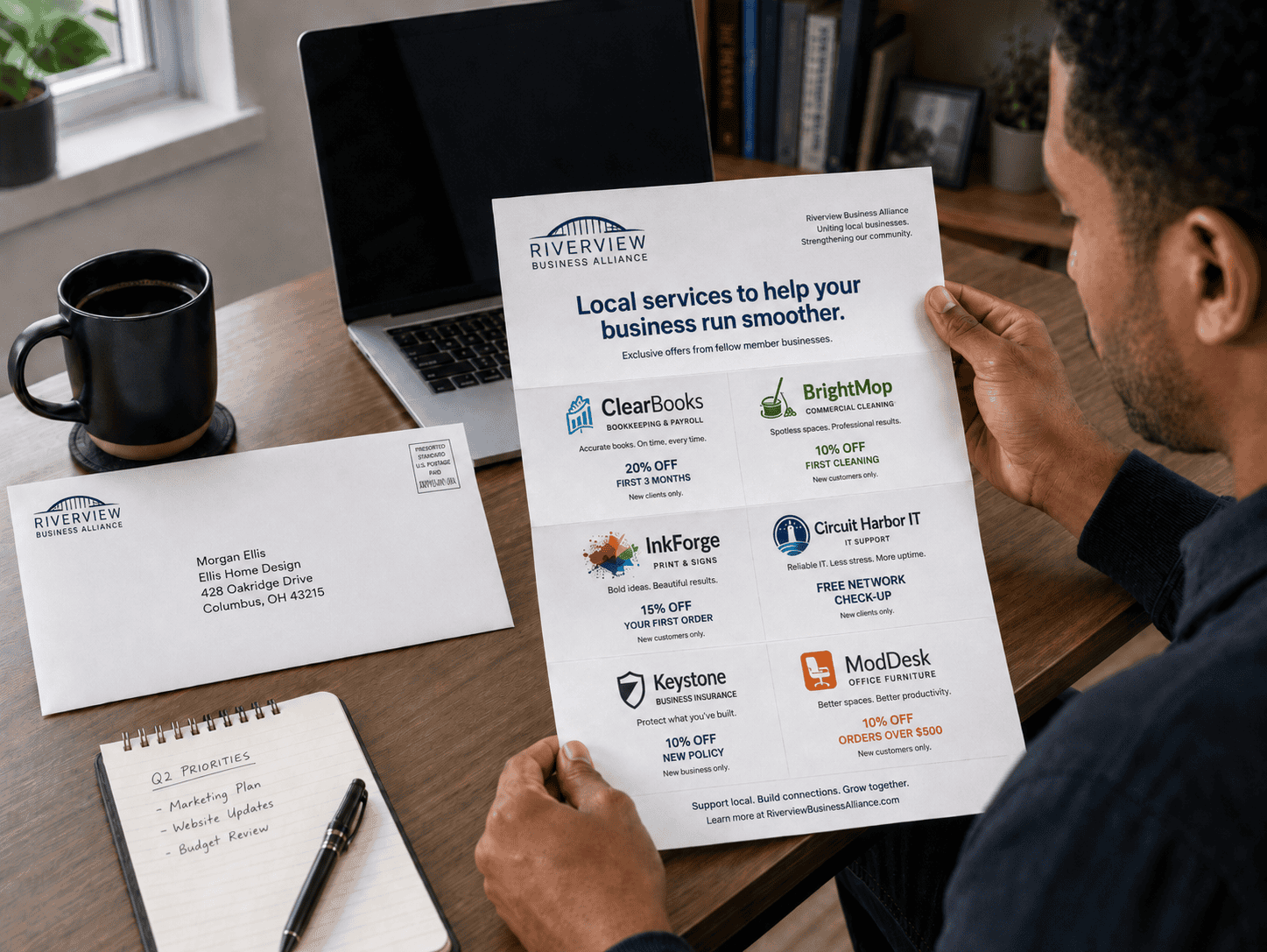
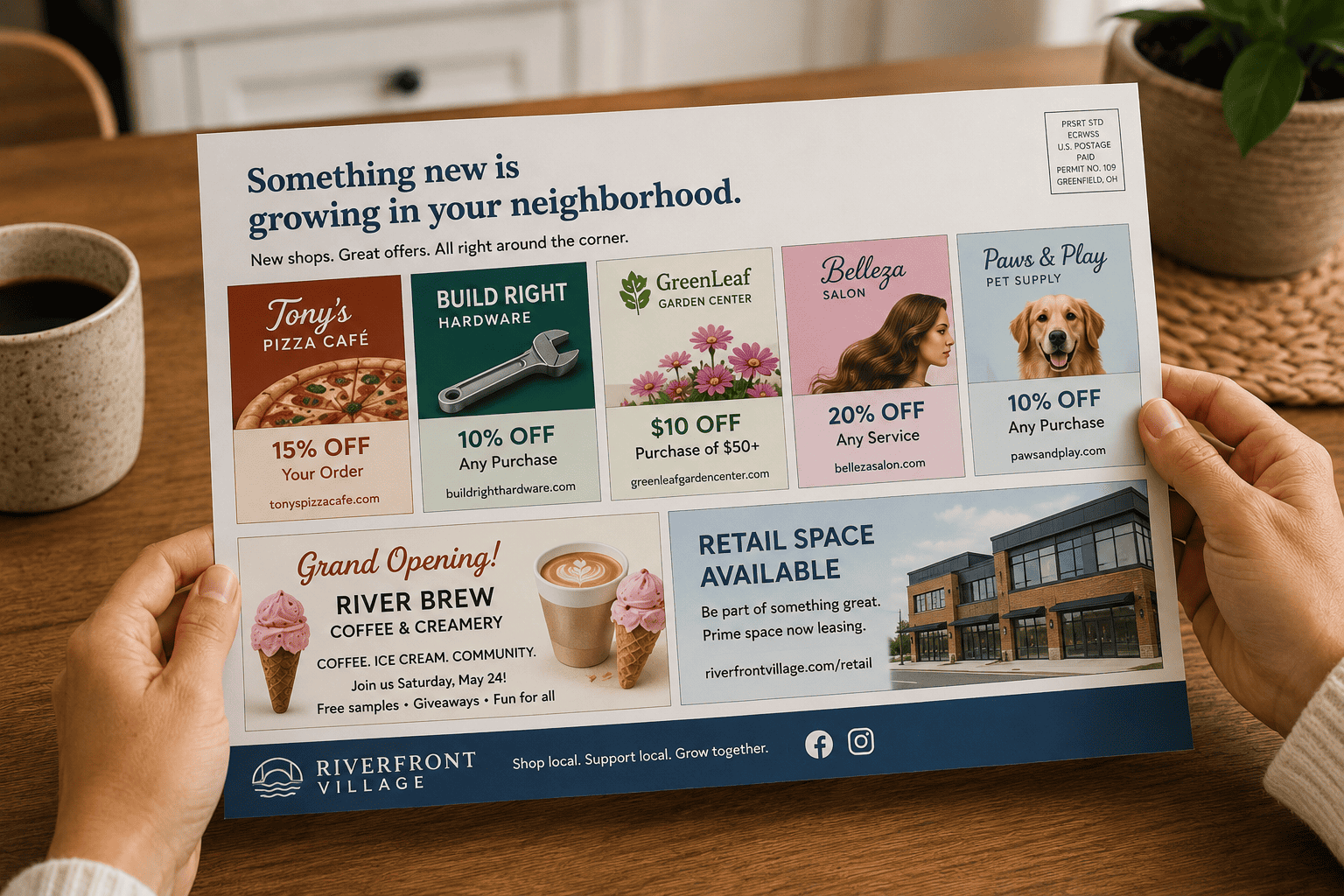
Marriage Mail is the classic “shared coupon packet” model. Multiple advertisers appear in one mailpiece, and that piece is mailed broadly across a route or neighborhood. Instead of targeting a narrow list of individual customers, Saturation and High Density Plus mailings are built to reach most or nearly all addresses in a defined delivery area.
Business-to-business: Local business service providers participate in a shared piece targeting small-business owners.
Business-to-consumer: Restaurants, retailers and home services companies combine offers in one household mailpiece.
Nonprofit: A community organization participates alongside local businesses to promote an event or service.
The individual advertiser generally does not qualify independently. The combined mailpiece and mailing program must meet all requirements.
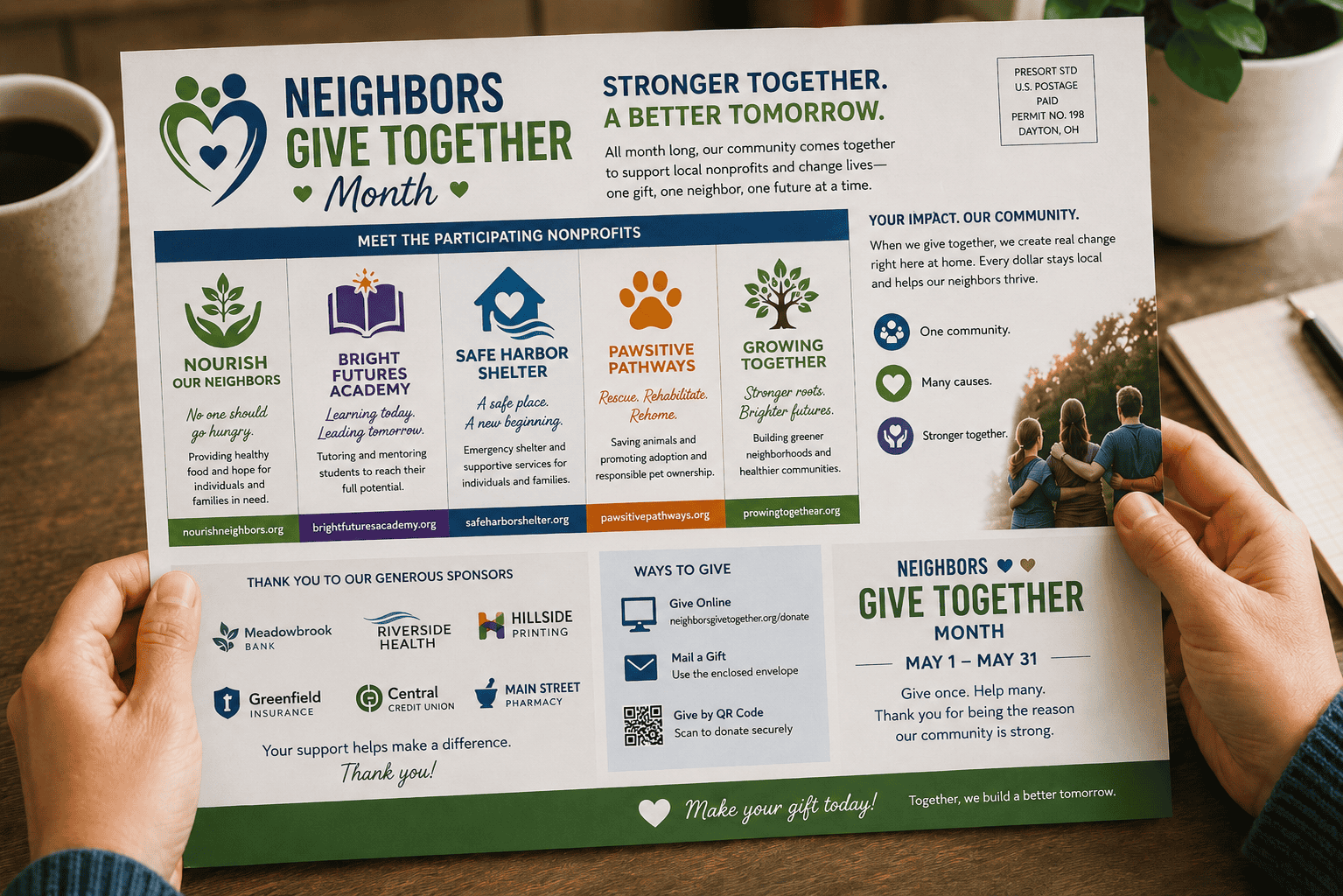
Credit: 30% on qualifying incremental volume
Proposed baseline: January–December 2026
Proposed performance period: January–December 2027
Proposed registration: March–May 2027
2027 details reflect current proposed USPS program terms and may change when final guidance is released.
The credit applies only to qualifying volume above the applicable USPS-established baseline or threshold.
Business-to-business: Expand a successful prospecting or account-development program.
Business-to-consumer: Increase acquisition, loyalty or seasonal campaign volume.
Nonprofit: Grow donor-acquisition, renewal, membership or fundraising mail.
Registration, minimum-volume and credit-use rules will apply. Review expected volume before the registration window closes.
Incentive: $0.001 per qualifying piece
Effective: July 12, 2026
Business-to-business: A manufacturer mails a product catalog to customers, dealers or purchasing teams.
Business-to-consumer: A retailer mails a seasonal or annual product catalog.
Nonprofit: A museum, school or association presents merchandise, programs or paid offerings in a qualifying catalog format.
This is not the former 10% Catalog Insights Promotion.
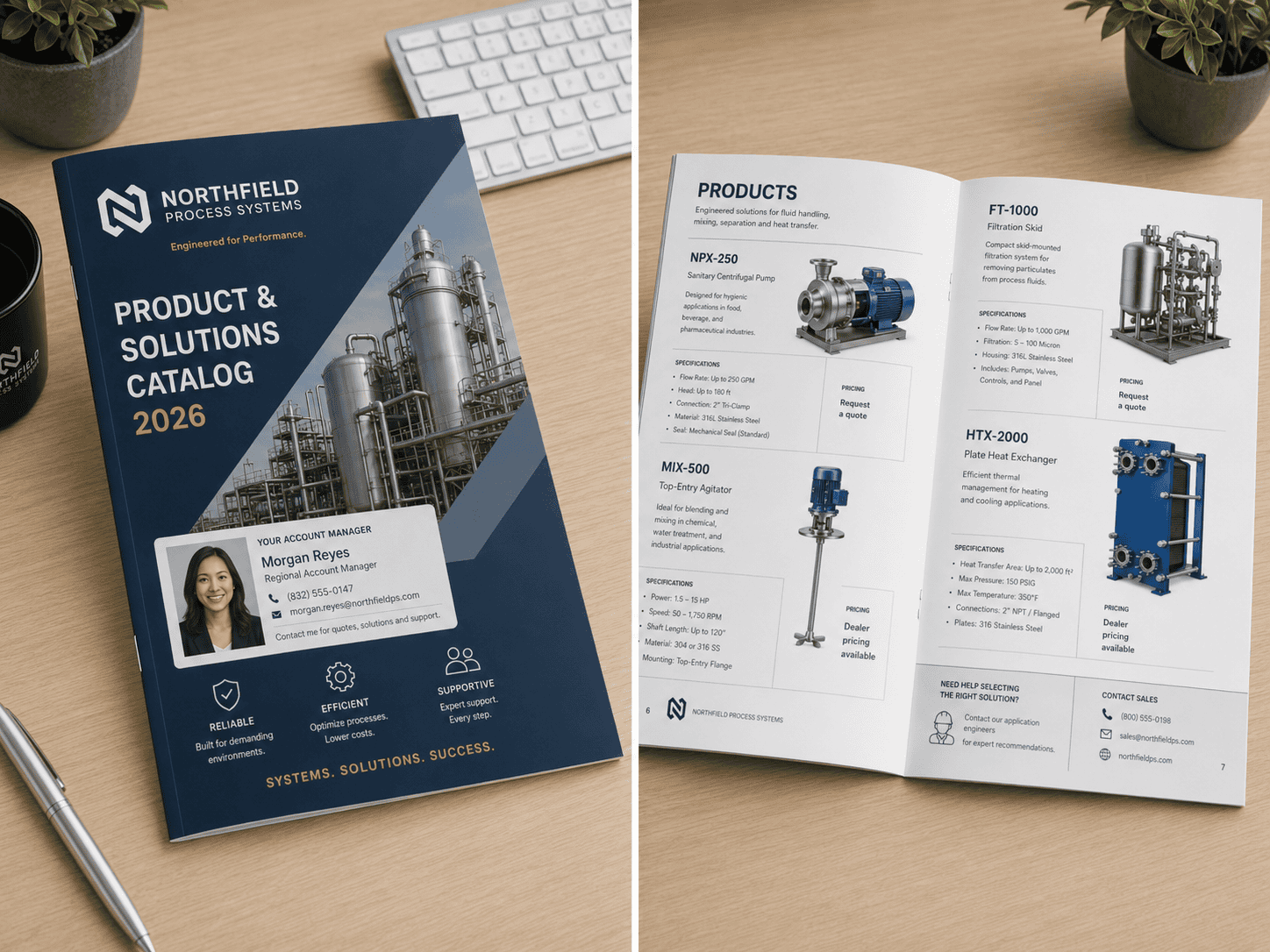
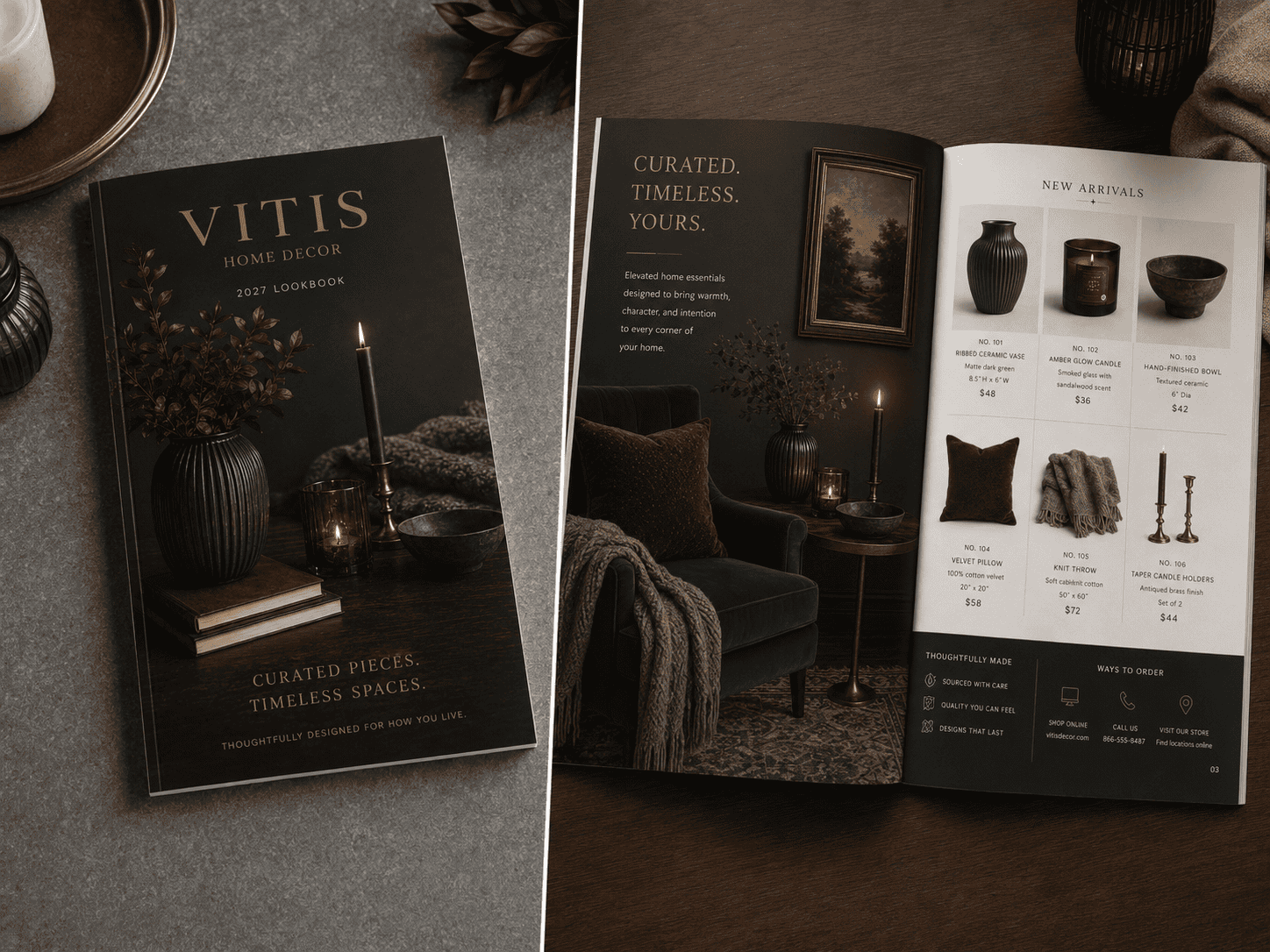
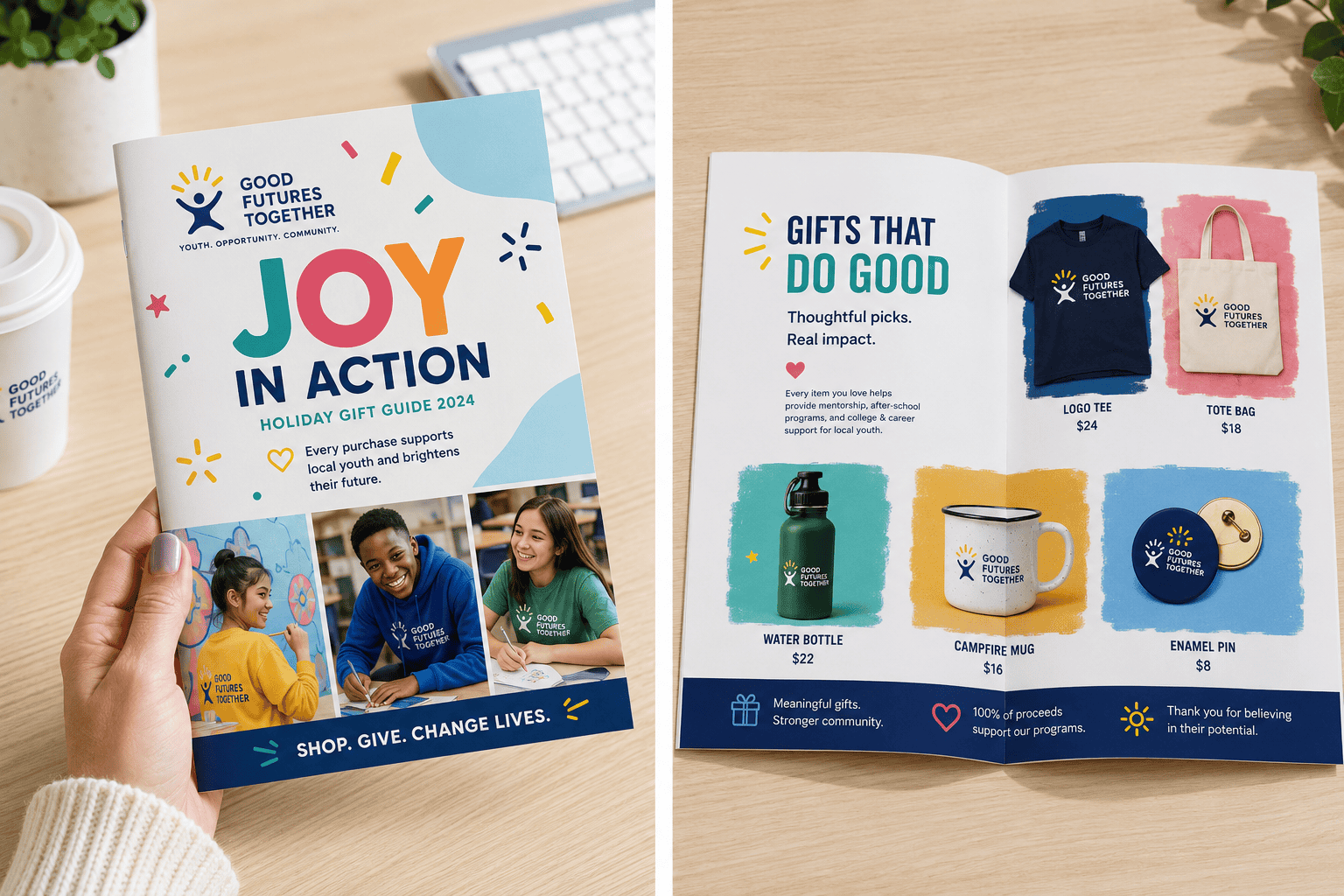
Not every mail class, piece format or base promotion will qualify for every combination. Confirm eligibility before building stacked savings into the campaign budget.
The strongest promotion strategy starts with the audience and campaign goal—not the discount.
Before selecting a promotion or incentive, consider:
Planning early gives your team more time to choose the right format, develop qualifying creative and complete any required approvals.
Thysse can help you evaluate promotion opportunities, prepare mailing data and manage creative, production and postal execution.
USPS has released final guidance for most 2027 promotions and add-ons. Details for Direct Mail Discovery and the 2027 Mail Growth Incentive remain subject to final USPS guidance and regulatory approval. Dates, discounts, eligible mail categories and technical requirements may change where final program rules have not yet been published.