pronounced tie-see
Menu

Menu
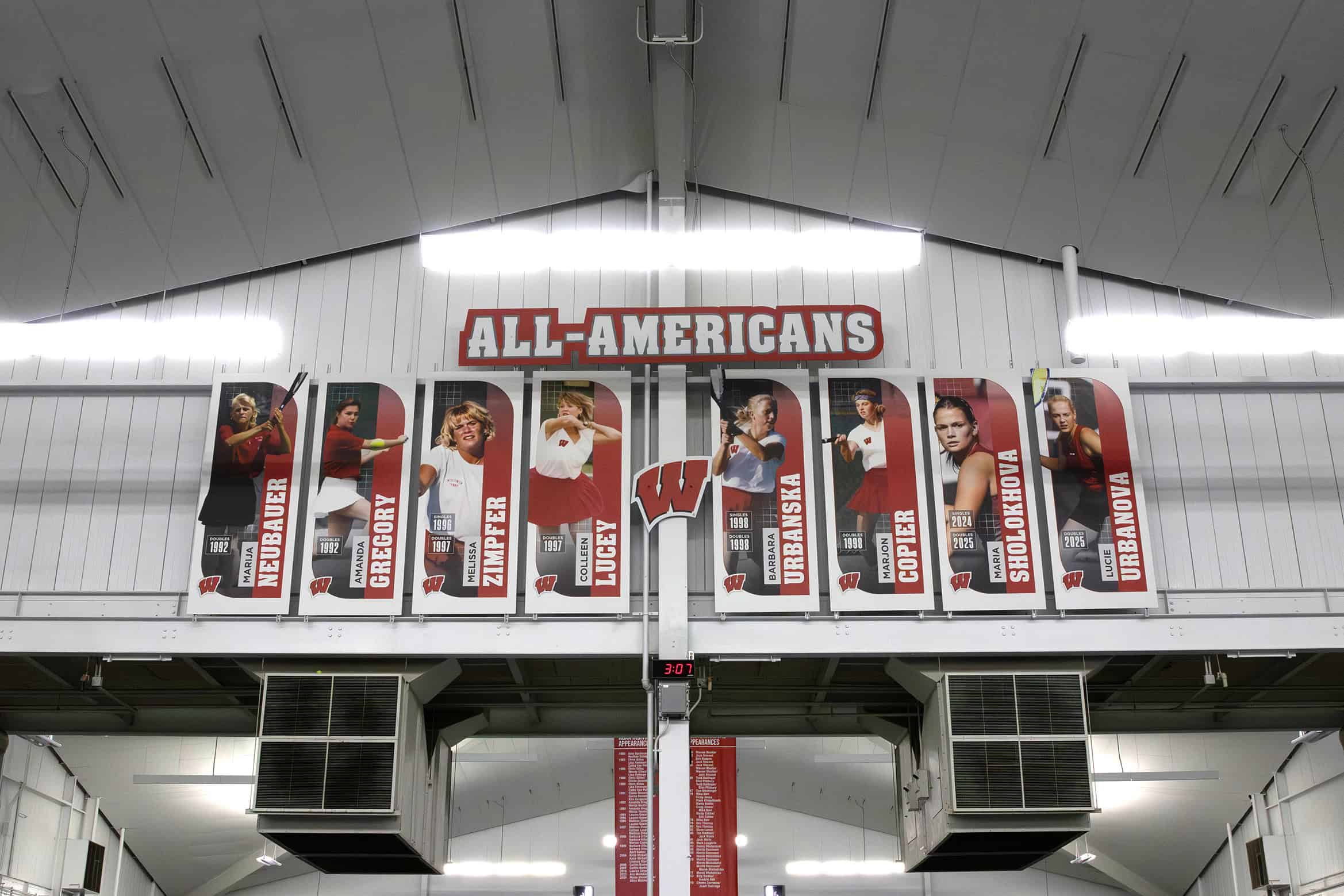
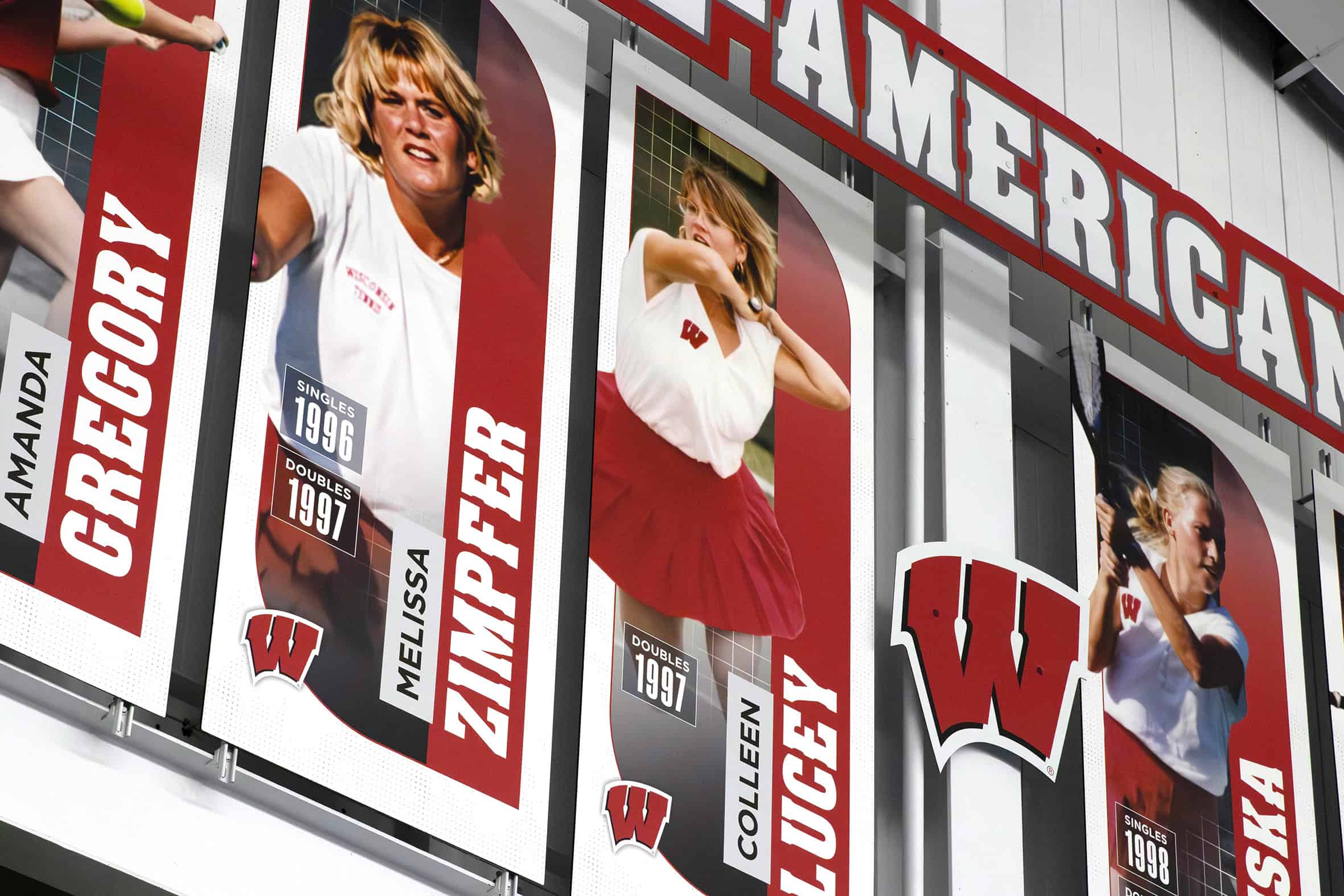
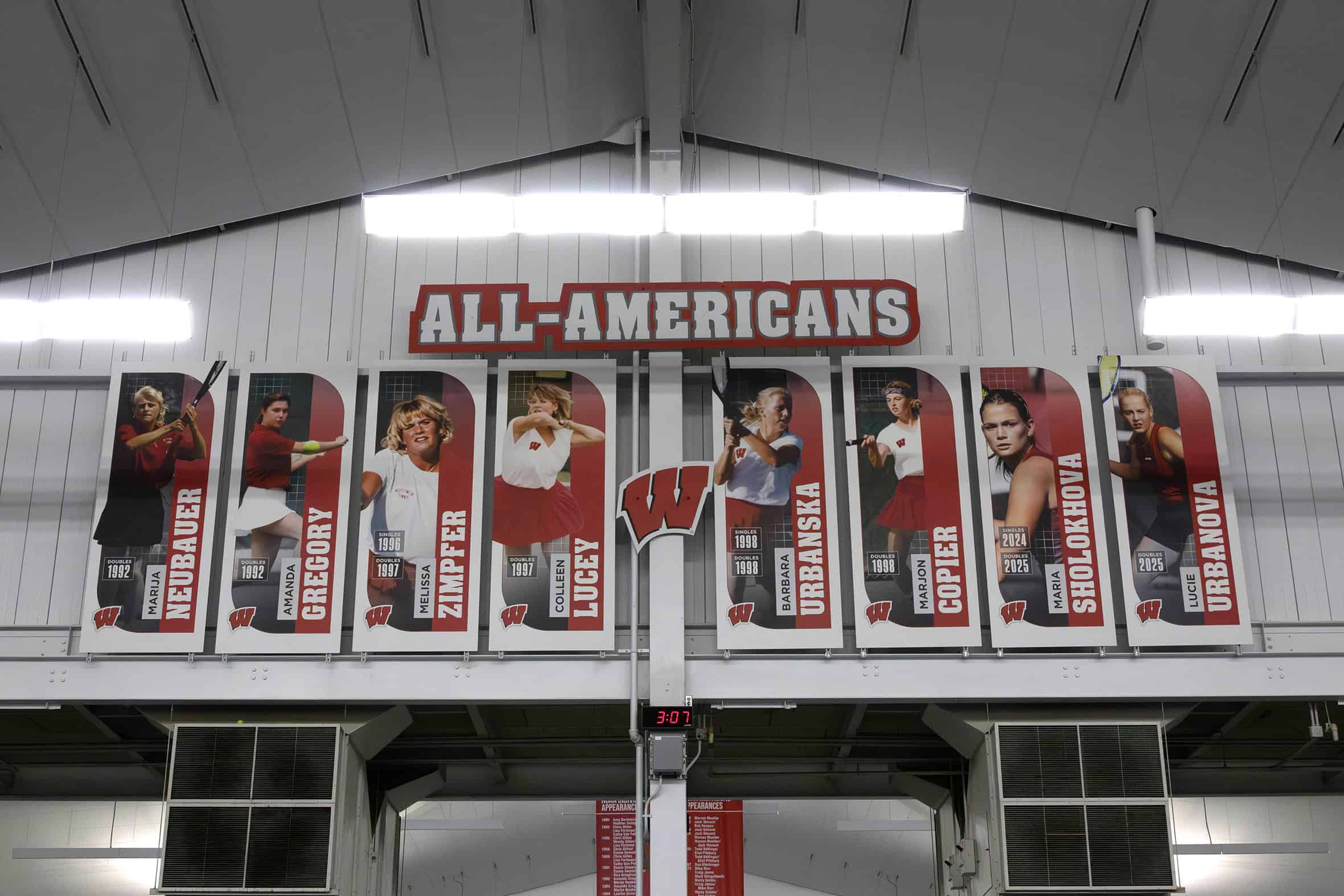
As is often the case, the installation site inside Nielsen Tennis Stadium wasn’t a clean, open wall. It was high off the ground, interrupted by structural elements, and filled with obstacles.
Exposed I-beams, cross members, and even a pipe cutting through the intended display area posed a series of structural challenges—almost like the space was pushing back.
The challenge wasn’t just designing a compelling athlete recognition display—it was figuring out how to integrate it, intentionally, into a space that wasn’t designed for it.

“The wall itself was quite high up in the air. We needed to use lifts to access it, and our initial site survey mapped out the obstacles—different surface depths, I-beams, and structural elements disrupted the space.”
- Angie Biermeier, Senior Experiential Designer at Thysse
At the end of the day, why fight?
The solution was to work around the wall rather than battle it.
Thysse designed a custom rail system that extended out from the surface—creating a consistent mounting plane across uneven depths and structural interruptions while maintaining clean alignment across all eight panels.
That system was painted to match the wall, allowing the athlete recognition display itself to take visual priority.
From there, MaxMetal panels were mounted to the rail system to create individual canvases for each of the eight All-American athletes currently featured.
Instead of printing directly to metal, the panels were used as a structural backer and fully wrapped with printed XMR (a magnetic substrate). This allowed each athlete panel to appear seamless—without visible fasteners or adhesives that can struggle over time in fluctuating climate environments.
To anchor the display, an “All-Americans” header and motion W were centered above and between the athlete panels. This layered approach created a clean, unified display—without requiring a perfectly uniform wall behind it.
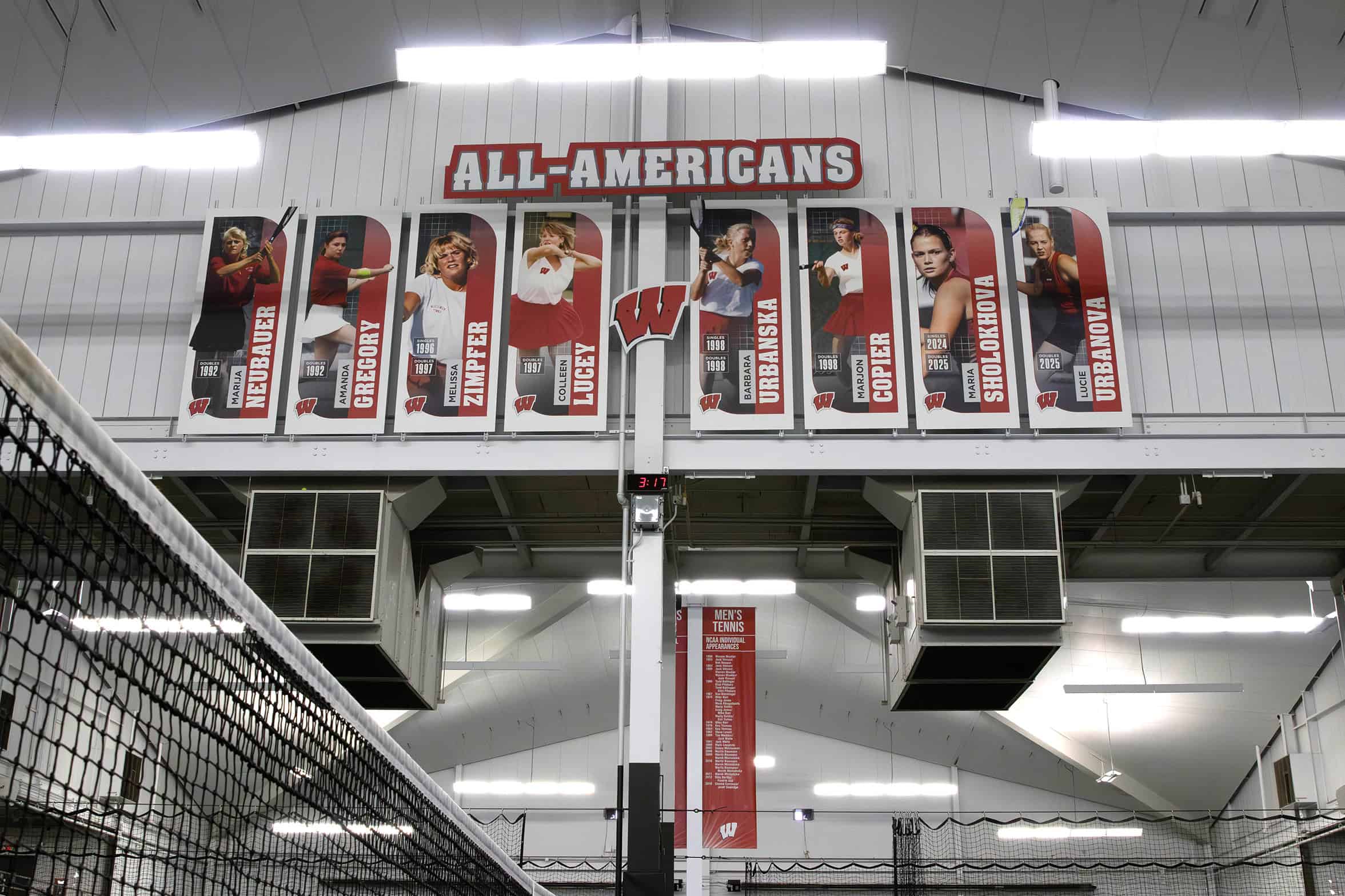
From the beginning, this wasn’t just a static display.
It needed to grow.
“Not only did the feature have to grow by panels, but those panels had to be updateable,” Biermeier explained.
Each panel in the stadium recognition display was designed to be:
Currently, the rail system allows for at least six additional players to be added—with the potential for further expansion depending on how the space evolves.
Players appear in chronological order, with each panel designed to accommodate future additions within that sequence. As new athletes are recognized, existing panels can shift—without damaging the graphics—thanks to the magnetic XMR system.
When updates are needed, UW provides player information and imagery, and Thysse handles design, production, and installation.
Like most real-world projects, the original concept evolved.
“Initially, there was more dimensionality to the installation,” Biermeier noted.
The final stadium recognition display solution streamlined those elements—maintaining visual impact while improving flexibility and aligning with project constraints.
“It all turned out perfectly. Our stakeholders at UW are happy and we’re proud of the outcome,” said Biermeier.
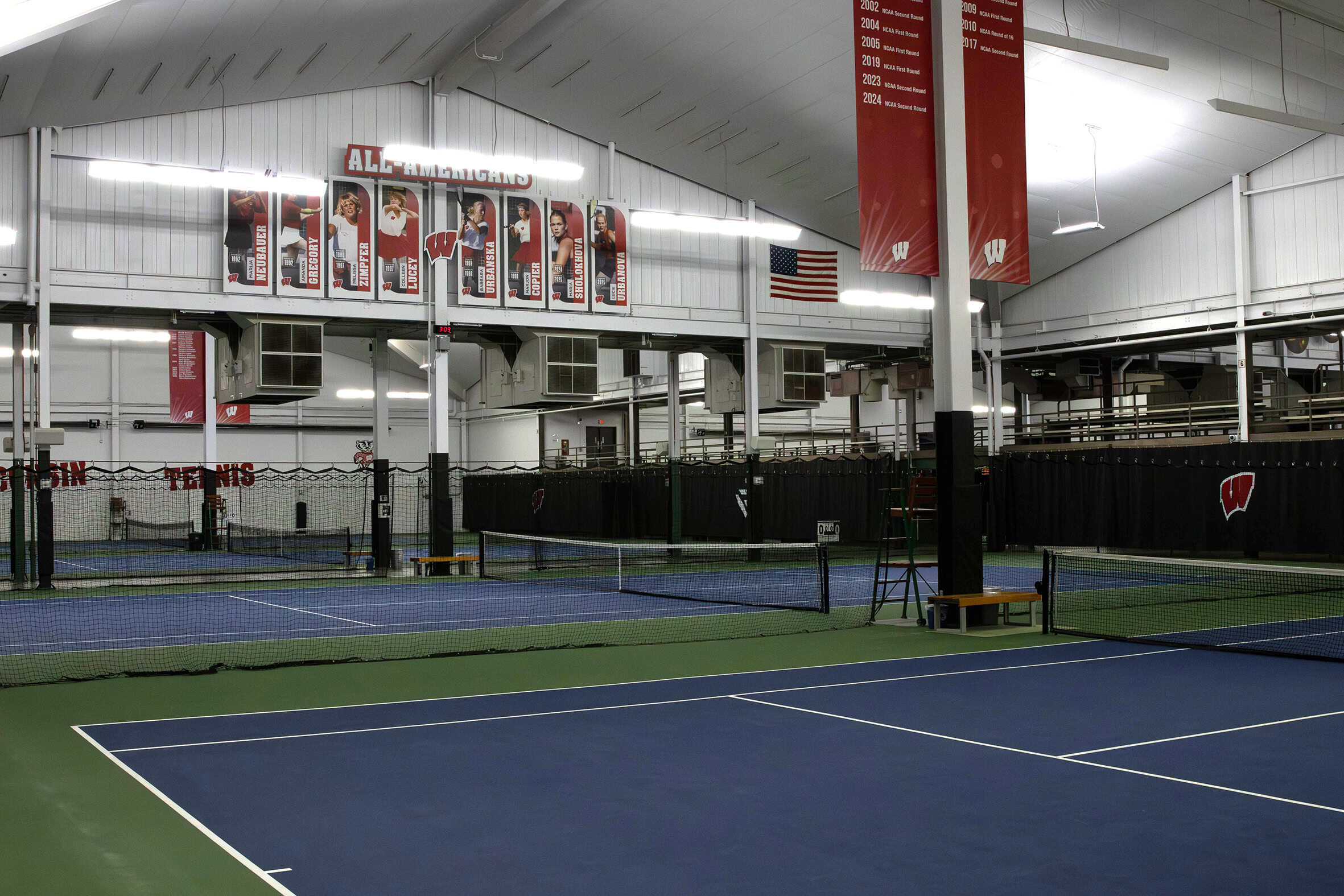
A successful stadium recognition display needs to honor achievements and feel intentional within both the space and the brand—but what often goes unnoticed is how the solution performs over time.
In this case, the solution is elegant, durable, and built for what comes next—because the best recognition displays don’t just celebrate success, they anticipate more of it.