pronounced tie-see
Menu

Menu
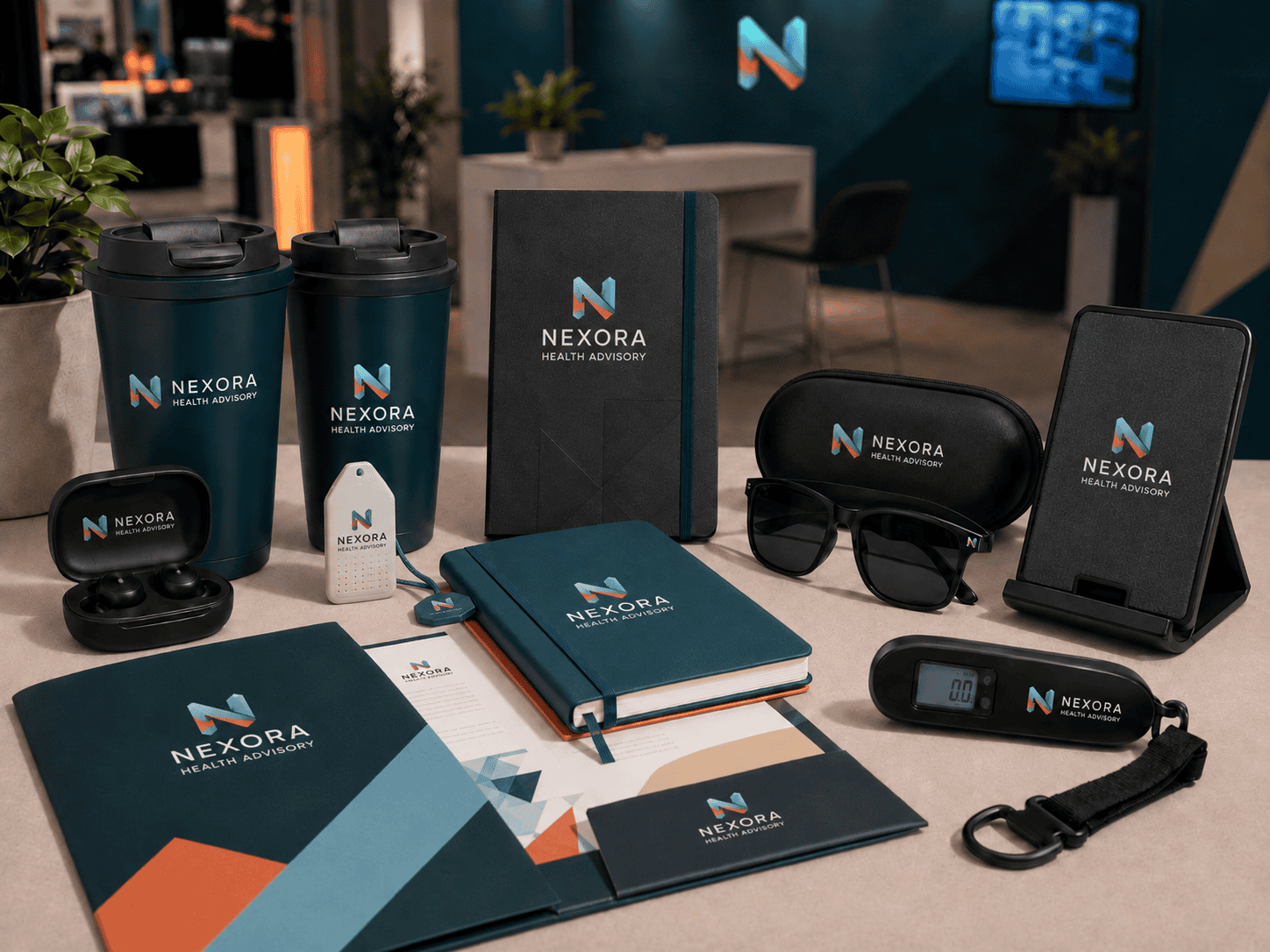

A promotional products partner helps organizations select, customize, produce and deliver branded merchandise that fits the audience, budget, timeline and marketing objective.
That can include researching products and suppliers, evaluating quality, reviewing artwork, recommending decoration methods, developing pricing, coordinating samples or prototypes and managing production, packaging and delivery.
The goal is not simply to find an item with a logo on it. It is to help the marketing team choose an option that works for the brand, the recipient and the realities of production.
Promotional products are easy to find. Thousands are available through online catalogs, distributors and suppliers.
The challenge is identifying which products — and which suppliers — are right for a specific audience, event, budget and brand.
The consulting firm executes dozens of conferences, trade shows, client events and internal employee initiatives throughout the year. Each has a different objective.
Some programs require practical items designed for continued use and longer-term brand visibility. Others are intended to create a more elevated experience through premium gifts, custom packaging and coordinated print messaging.
The firm’s internal marketing team needed a partner that could narrow the possibilities without creating more work. It also needed confidence that the selected products would:
The process does not begin with a catalog number. It begins with a conversation.
Sometimes the client already has a product in mind. In other cases, the marketing team knows the event, audience, budget or experience it wants to create but has not yet identified the right promotional product strategy.
Thysse uses that information to research options and develop a focused proposal. Recommendations consider:
This approach saves the client’s marketing team from having to research countless products and suppliers independently. It also helps event-marketing programs move at the speed their deadlines require.
For event-specific merchandise, print and signage, arriving late can make an otherwise successful project unusable.
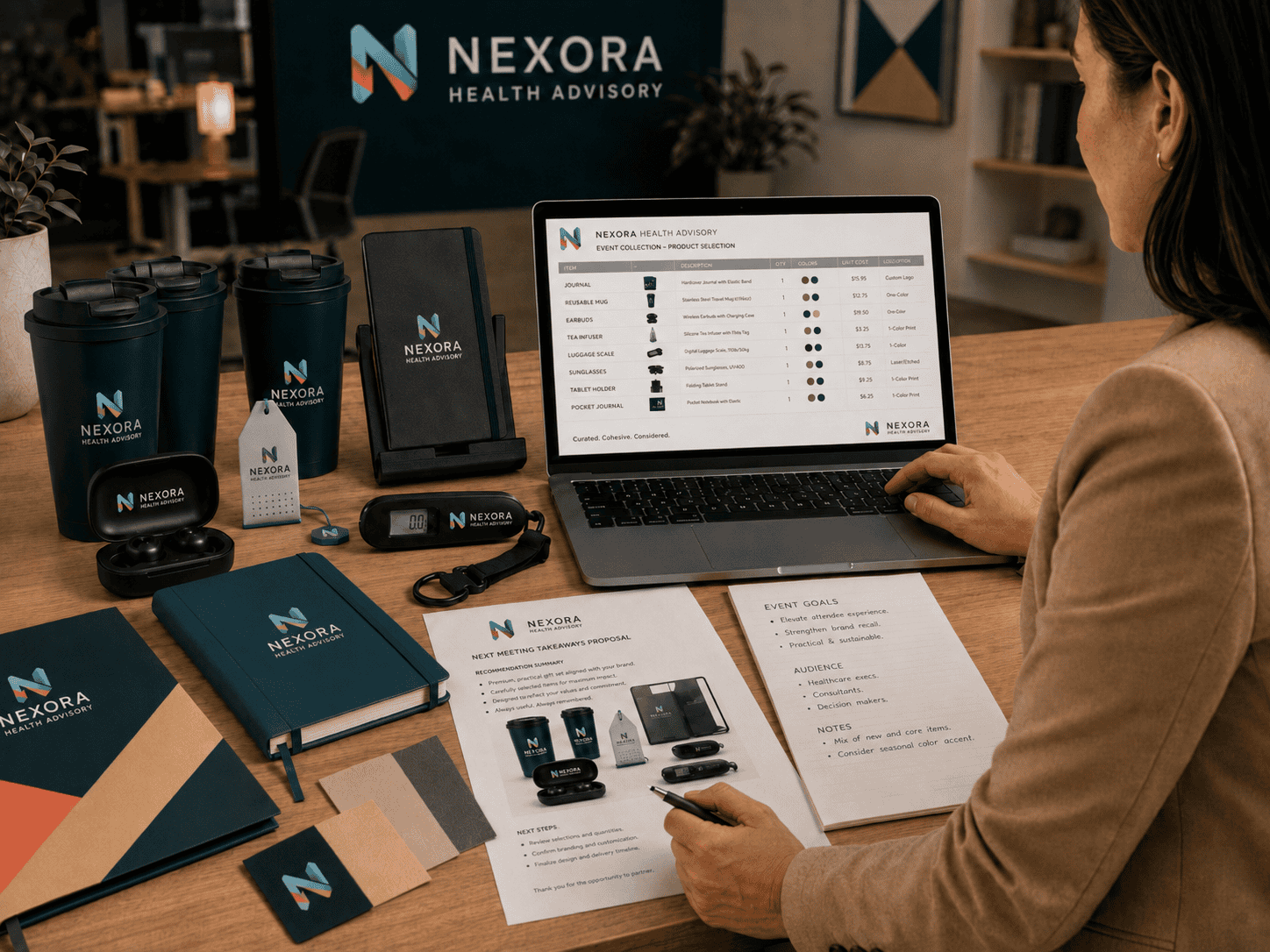
A consultative promotional product program typically moves through five stages:
This process helps marketing teams narrow thousands of potential products into a manageable set of options while identifying production or budget concerns before an order is placed.
The value of a promotional products partner extends well beyond finding merchandise.
Every product introduces production considerations that may not be apparent in an online catalog. The available imprint area may be too small for detailed artwork. A decoration method may not reproduce the brand accurately. Setup charges and freight can materially affect the budget. A product that looks appealing online may not meet expectations when it arrives.
Supplier selection introduces another layer of risk. Inconsistent communication, unexpected fees, production delays and limited recourse can turn a straightforward purchase into a time-consuming problem.
Thysse’s promotional product specialists evaluate these factors before presenting recommendations or placing an order.
When the client specifies an item, Thysse applies the same production and supplier expertise to help evaluate the choice. That may involve:
Addressing these details early reduces production risk and helps prevent costly or disappointing outcomes.
Should a supplier issue arise, Thysse can also advocate on the client’s behalf. Established supplier relationships, purchasing volume and knowledge of industry standards provide leverage that an individual buyer may not have when seeking a fair and timely resolution.
Initial proposals may include preliminary or budgetary pricing to help the client compare products and approaches.
Because final costs depend on the selected product, quantity, decoration method, artwork, packaging, freight and delivery requirements, exact pricing may not be available until the project specifications are complete.
Thysse uses its experience to provide useful early guidance, identify nonviable options and prevent the client from investing time in concepts that are unlikely to fit the budget.
Once the products and project requirements are confirmed, Thysse develops a comprehensive estimate that accounts for applicable:
This gives the marketing team a more complete understanding of the investment before production begins.
Instead of approving an attractive unit price and discovering additional charges later, the client can make decisions based on the anticipated total project cost.
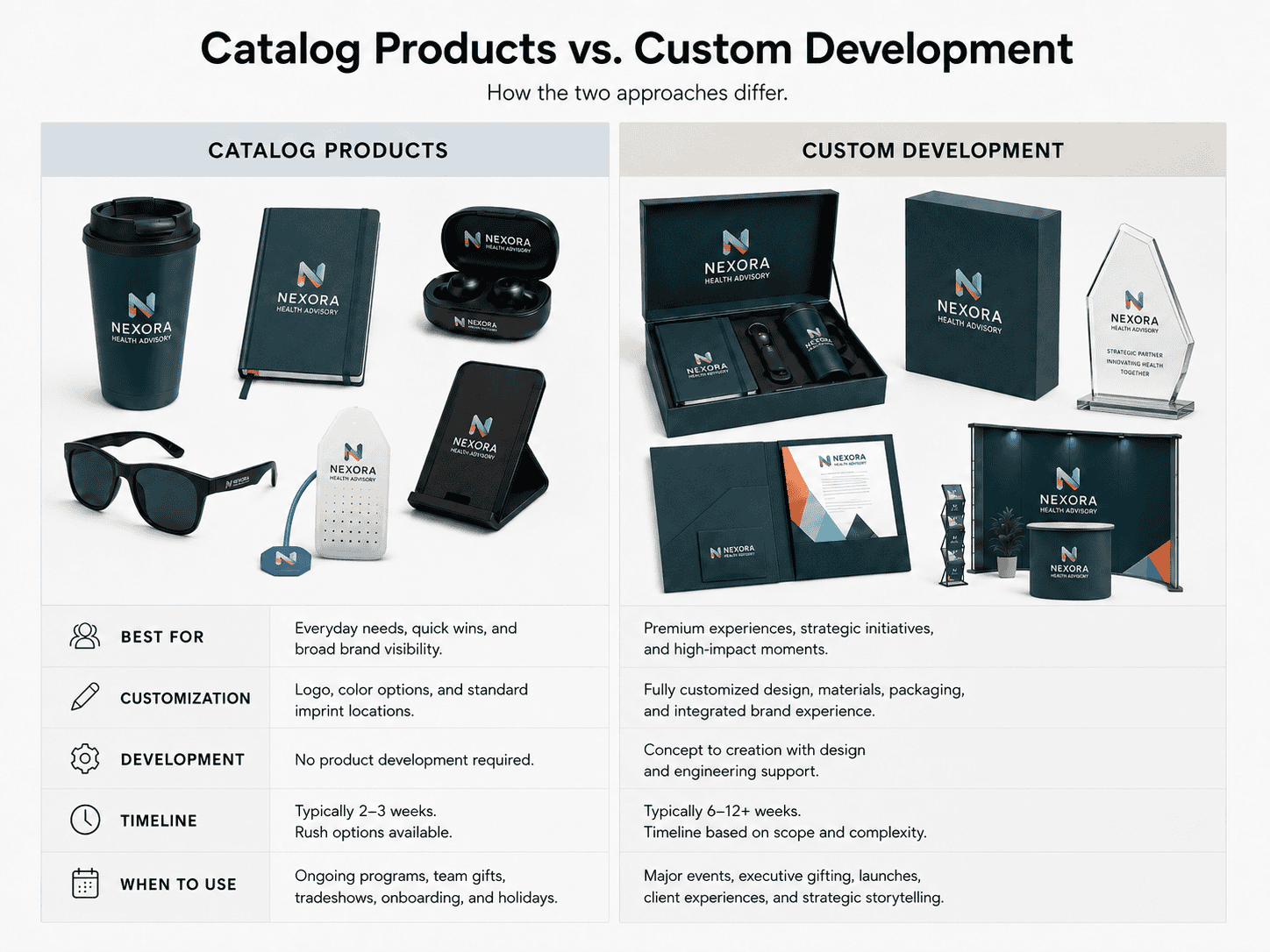
Some event needs can be met with carefully selected catalog merchandise. Others require a more customized solution.
Across the relationship, Thysse has supported projects ranging from premium technology accessories and journals to branded travel products, custom packaging, event kits and specialty merchandise developed for specific campaigns and audiences.
For custom projects, Thysse coordinates the details required to turn an idea into a producible item. Depending on the project, that may include:
The objective is not customization for its own sake. It is to create a product and presentation that supports the event strategy and feels appropriate for the brand.
Catalog Promotional Products | Custom Promotional Products | |
Best for | Established products that already meet the event, audience and budget needs | Programs requiring a more distinctive product, presentation or brand experience |
Customization | Printing, embroidery or other available decoration methods | May include custom materials, colors, components, packaging, tooling, dies or molds |
Development | Product selection, artwork preparation and decoration planning | May include product development, prototypes, samples and additional supplier coordination |
Timeline | Often shorter, depending on availability and decoration | Typically requires more advance planning |
When to consider it | When the right existing product already supports the objective | When an off-the-shelf option cannot create the intended experience |
Neither approach is inherently better. The right choice depends on the audience, objective, budget, timeline and how distinctive the finished experience needs to be.
Many events require more than promotional merchandise.
The same program may also involve printed collateral, displays, signs, packaged materials or inventory from previous initiatives. Those components may need to be delivered directly to a venue, shipped to multiple destinations, returned to inventory or consolidated before distribution.
In some cases, items may be loaded into Thysse Brand Portals for repeat use. Distributed teams can have user-specific permissions to access relevant subsets of a brand’s overall print and promotional asset library.
Thysse helps solve for all those moving parts as part of the broader relationship.
Bringing promotional products, commercial print, signage, packaging and shipping coordination together through one partner can:
This integrated approach gives the marketing team a clearer view of the complete event package rather than requiring it to manage each component separately.
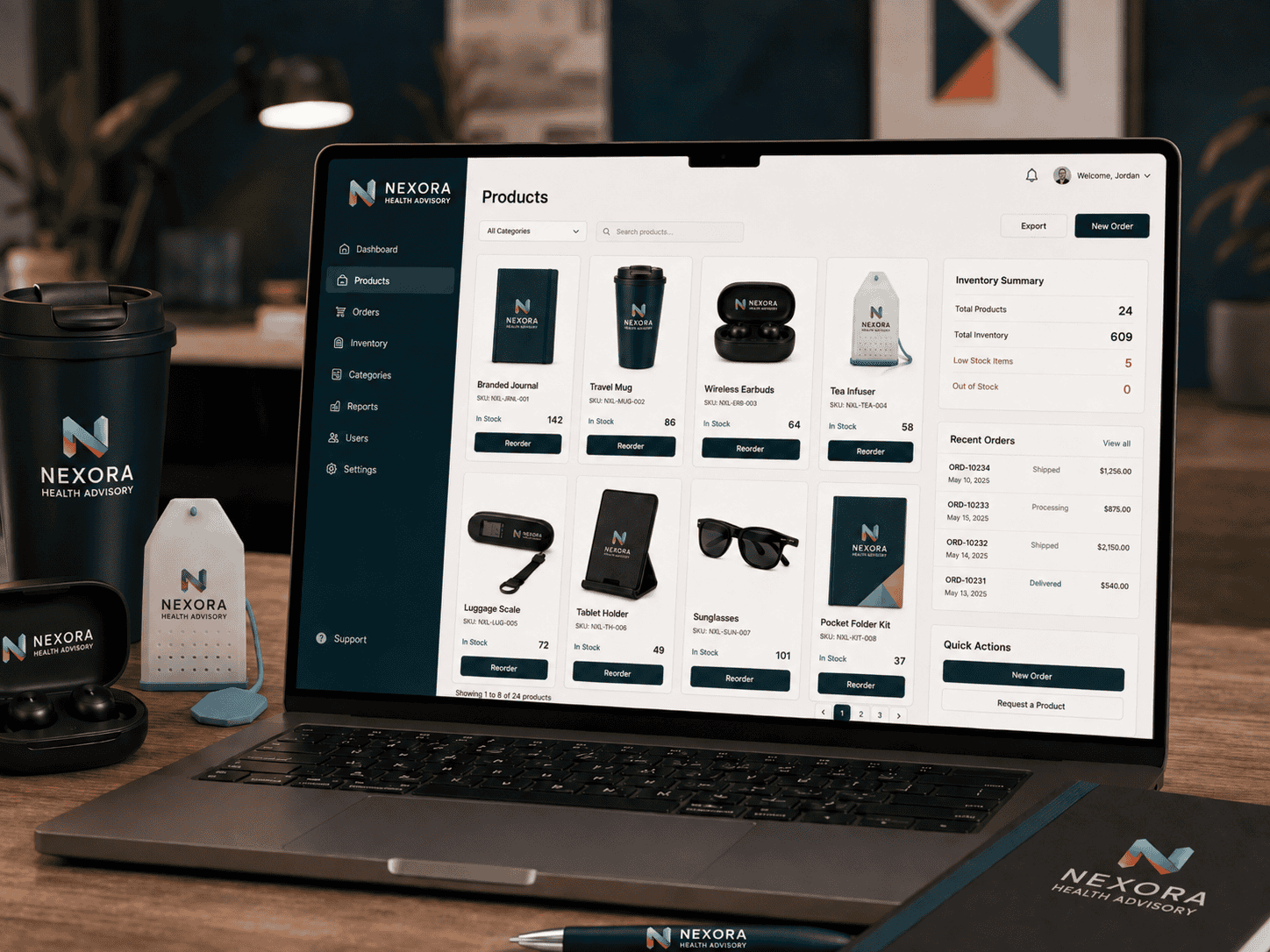
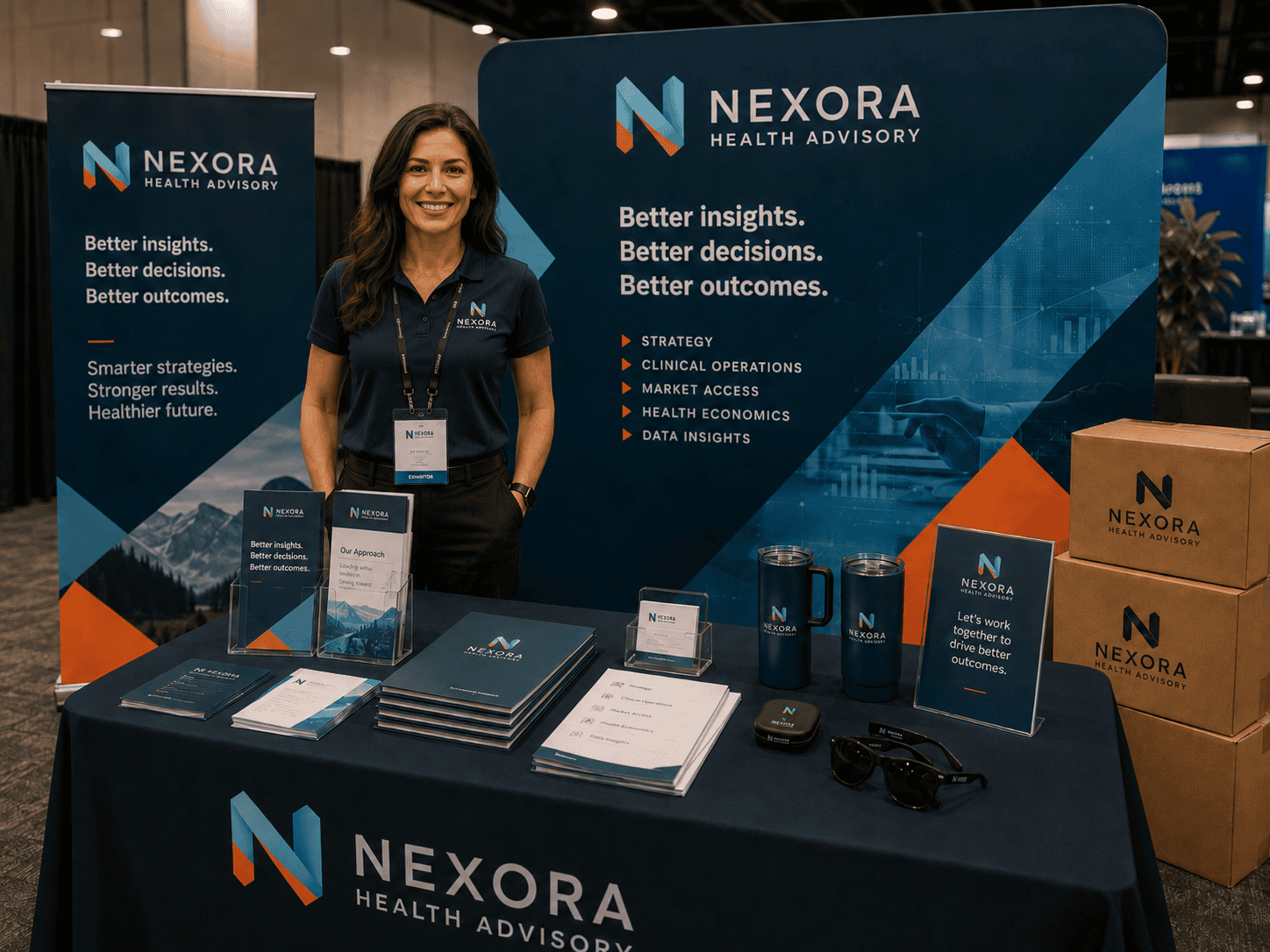
The relationship has grown beyond transactional product ordering.
The consulting firm turns to Thysse for research, recommendations, supplier evaluation, pricing guidance, production expertise and logistical support.
That consultative approach allows the internal team to spend less time searching catalogs, comparing vendors and managing production details — and more time focusing on its events, audiences and marketing objectives.
For this client, promotional products are not simply giveaways.
They are opportunities to extend the brand experience, support meaningful interactions and remain visible after an event ends.
A consultative promotional products partner can help narrow product choices, evaluate suppliers, assess quality, recommend decoration methods, review artwork, explain costs and coordinate production and shipping. This saves internal teams time while reducing production, budget and logistical risk.
The process begins with the marketing objective. Thysse considers the event, audience, budget, desired experience, production timeline, customization requirements and shipping needs before presenting a curated selection of products.
Start with the audience and purpose of the event. Product usefulness, perceived quality, brand fit, decoration requirements, available budget, production lead time and shipping logistics should all be considered before selecting an item.
The best choice is the product that supports the intended experience while remaining practical to produce and deliver.
Depending on the project, a complete estimate may include the product, decoration, setup charges, artwork preparation, packaging, freight and delivery. Reviewing the anticipated total project cost before production helps reduce unexpected expenses.
Yes. Thysse can help research, source, prototype and coordinate custom promotional products and packaging when a standard catalog item does not meet the needs of the event or campaign.
Custom Promo Item Case Study: Cowly Parton
A catalog product can be a good fit when an existing item already meets the audience, budget, quality and timeline requirements.
Custom development may make more sense when the campaign requires a distinctive product, packaging, material, color or recipient experience that cannot be achieved with an existing item.
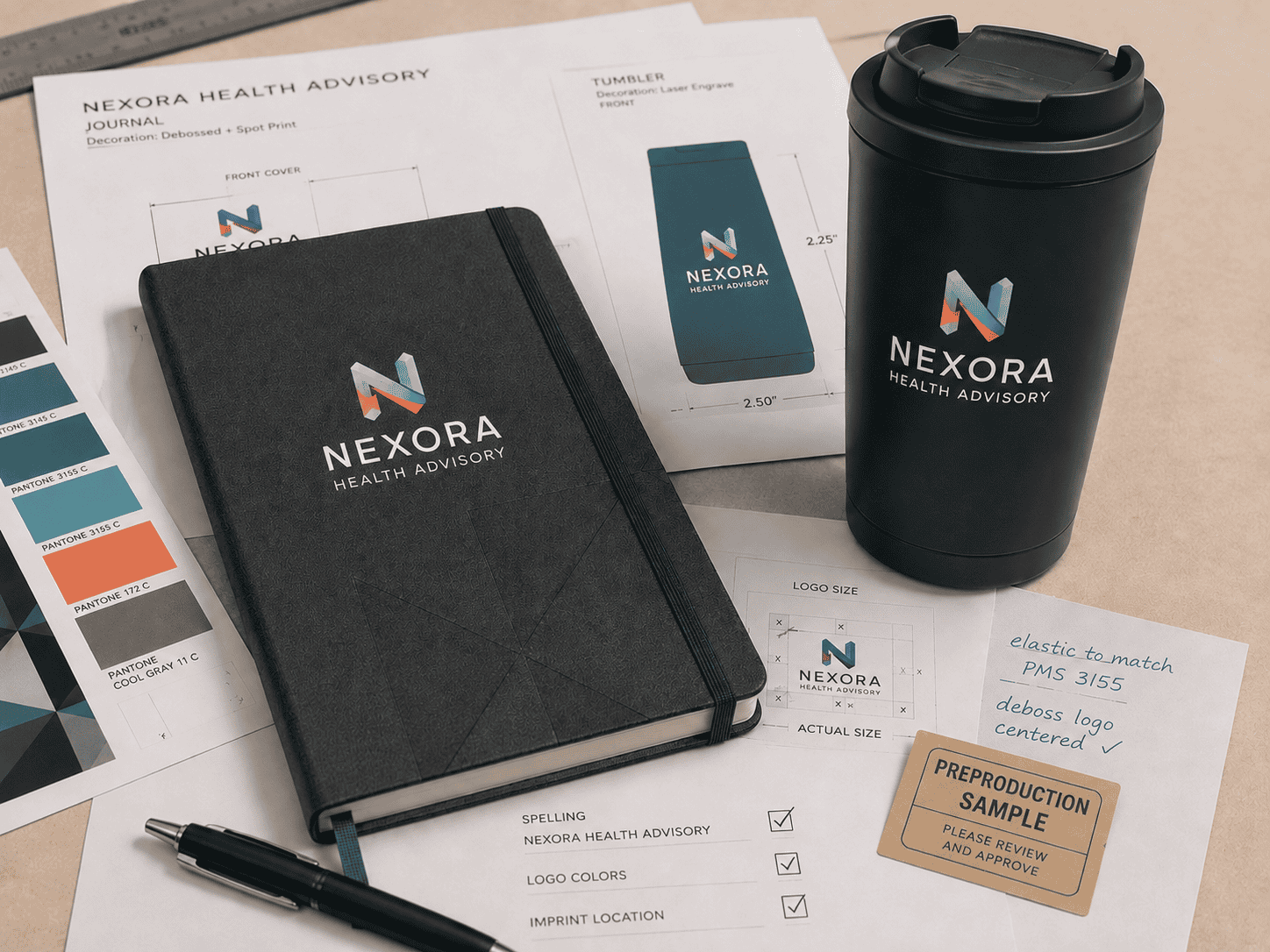
In many cases, yes. Thysse can use its supplier relationships to obtain prototypes, samples or preproduction proofs when available. This allows the client to evaluate the product, decoration, color and overall presentation before approving full production.
Yes. Many events require merchandise, printed collateral, displays, signage, packaging, and coordinated shipping. Managing those components through one partner can simplify production, communication, consolidation, and delivery.
Lead times vary based on product availability, quantity, decoration method, customization, supplier location, and shipping requirements. Standard products may require only a few weeks, while custom-developed or imported merchandise may require substantially more time. Early planning provides more product options and reduces schedule risk.
Tell Thysse what you are planning, who you need to reach and what you want the experience to accomplish.
We’ll turn those objectives into a focused promotional product strategy — from initial research and supplier evaluation through production and delivery.