pronounced tie-see
Menu

Menu
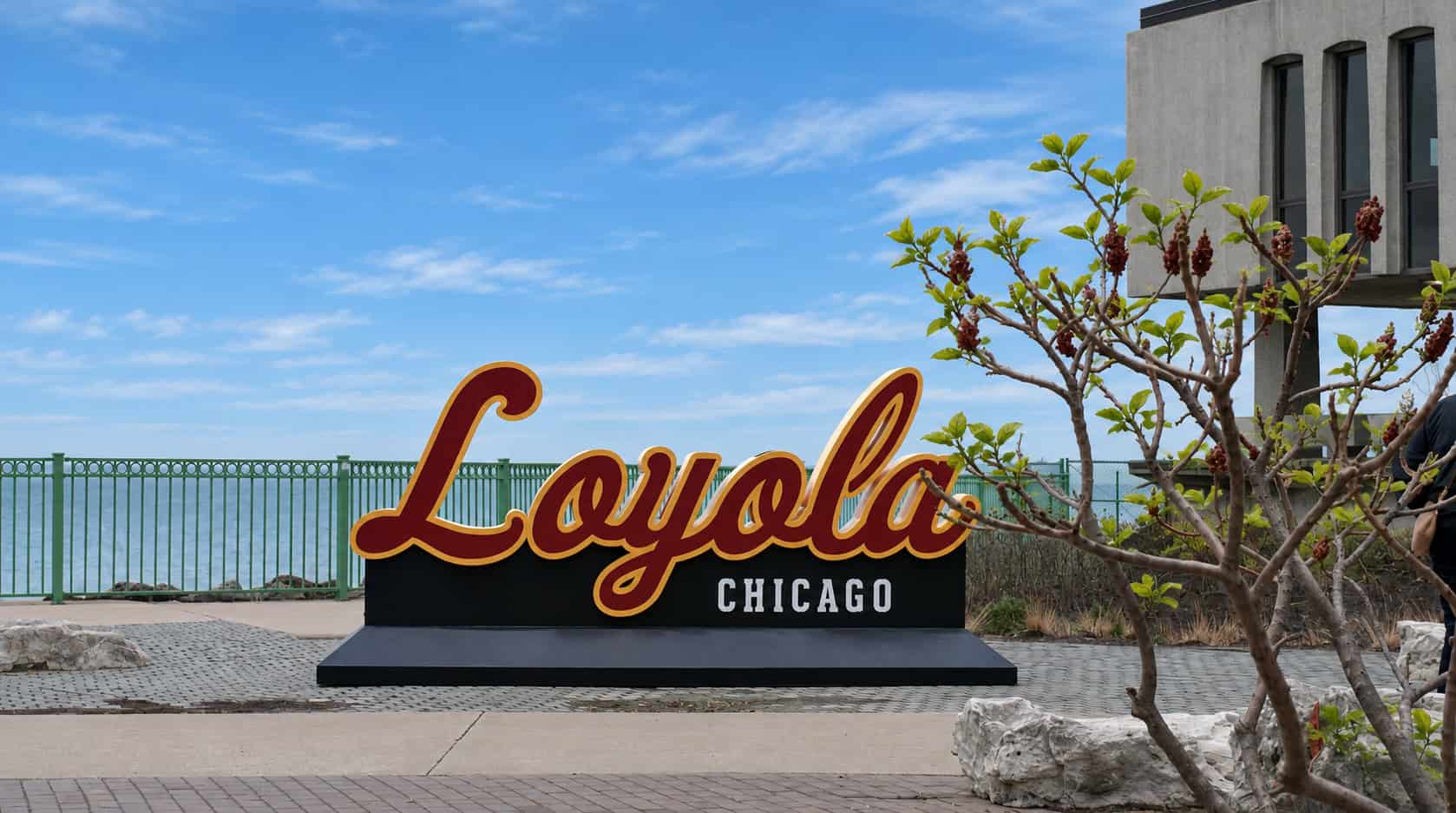
Thysse partnered with Loyola University Chicago to produce and install environmental graphics, signage, and branded architectural elements across multiple campus facilities. The first projects completed include the Sullivan Welcome Center and Mullady Golf and Softball Training Center, with work ranging from large-format wall graphics and illuminated signage to branded flooring and a 12-foot lakefront monument sign that has become a destination for campus tours.
The engagement brought together Loyola’s facilities, planning, marketing, and athletics teams, along with Power Construction and RDG Planning & Design. With this first series of projects complete and additional campus projects underway, the partnership has grown into an active institutional relationship.
Loyola University Chicago is a place where history and ambition coexist. Its campus reflects more than 150 years of academic excellence, with storied buildings alongside modern facilities and spaces that express what the university stands for.
When Loyola partnered with Thysse to enhance several campus facilities, the shared goal was clear: strengthen the university’s brand presence in ways that honor its character, energize its community, and welcome the next generation of Ramblers.
What began as an initial engagement has grown into an ongoing campus partnership. Multiple projects have been completed, additional work is underway, and a strong collaborative foundation has developed among Thysse and Loyola’s facilities, planning, marketing, and athletics teams.
The first steps in the partnership centered on two important campus facilities: the Sullivan Welcome Center and the Mullady Golf and Softball Training Center.
Each presented a distinct opportunity to express Loyola’s brand within an environment that carries meaning for students, families, student-athletes, recruits, and campus visitors.
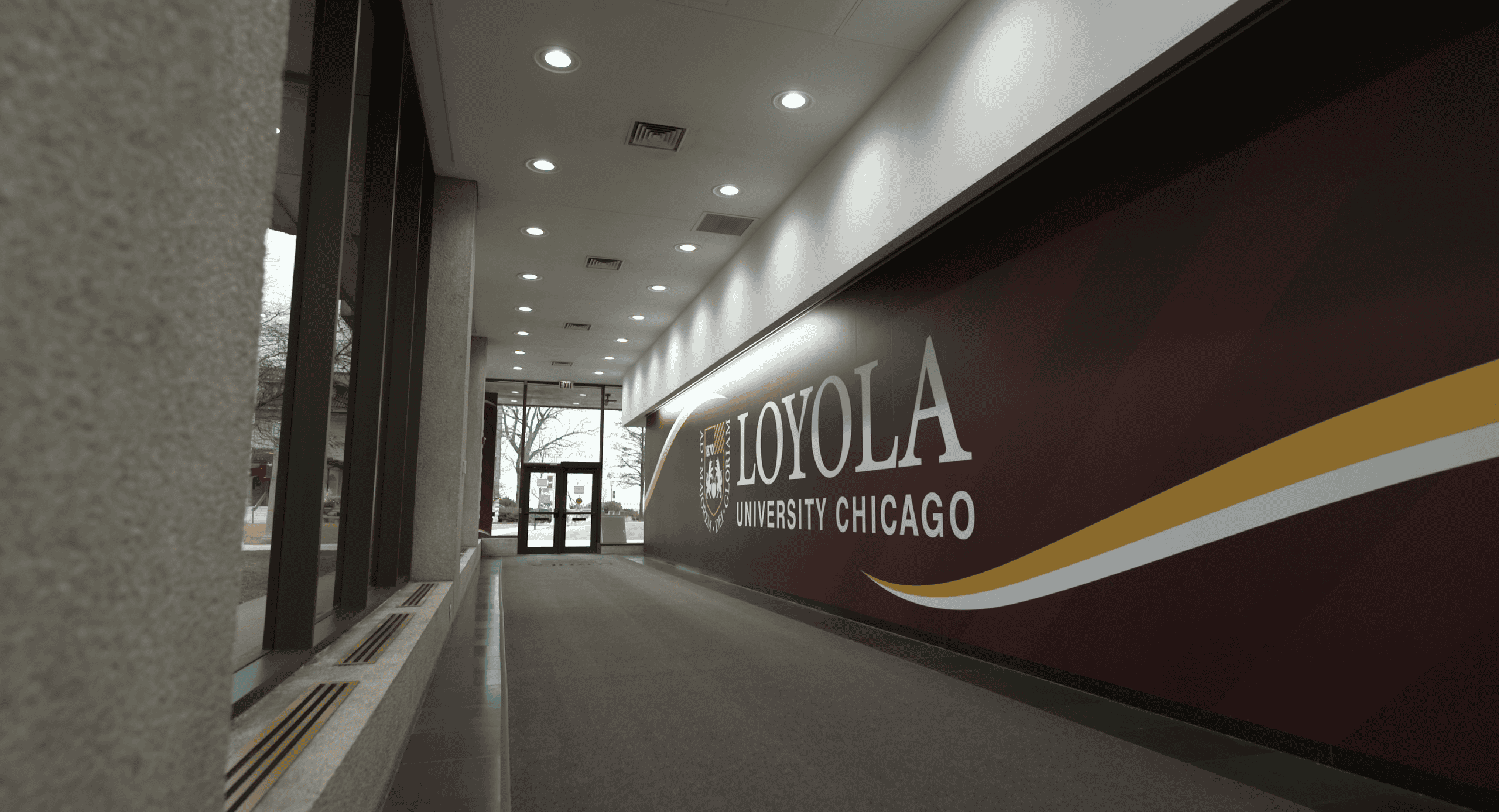
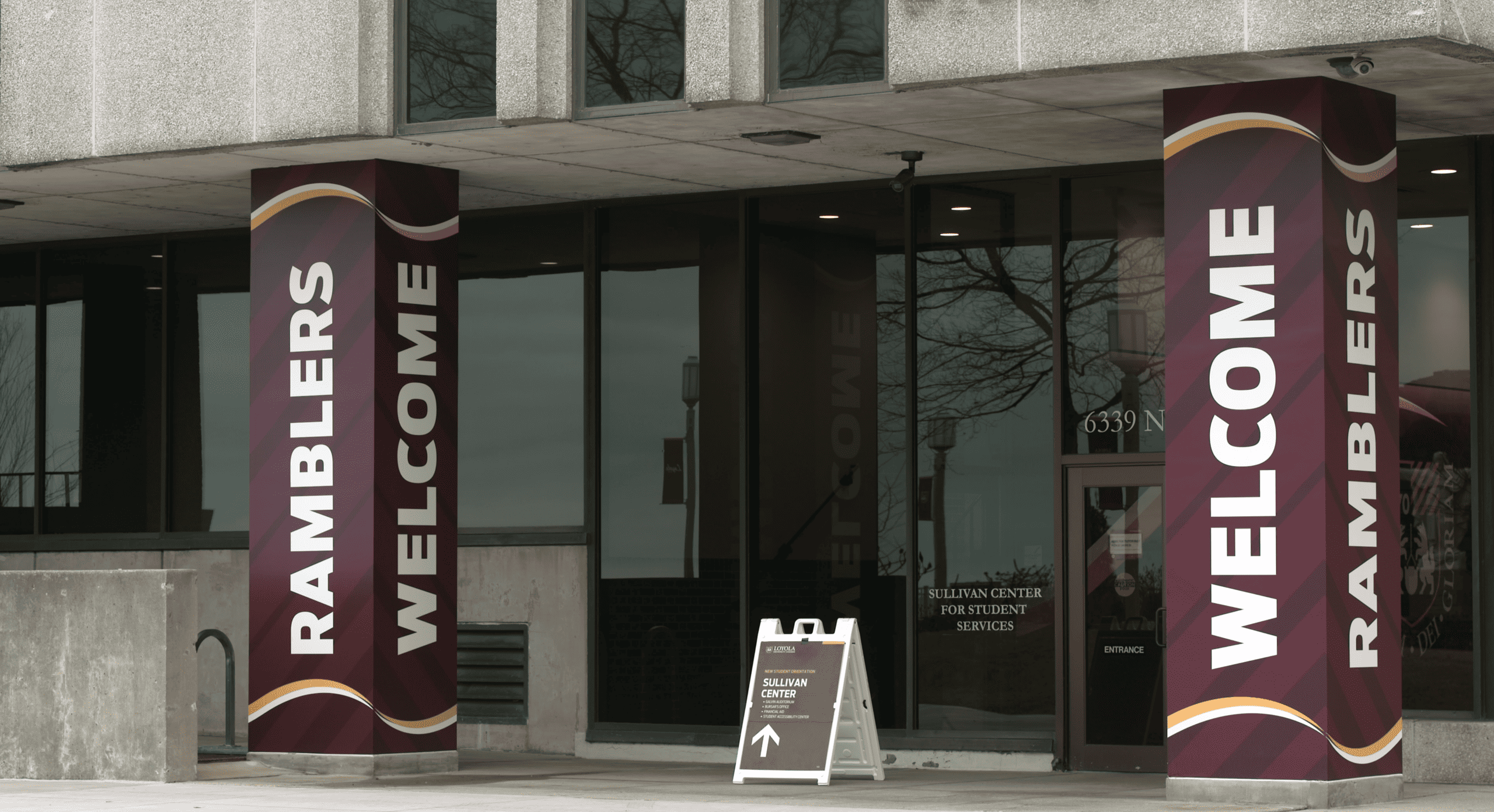
The Sullivan Welcome Center is one of the first places prospective students and their families experience Loyola. The goal was to create a branded environment that felt authentically Loyola while elevating the space to reflect the energy, character, standing and ambition of the university.
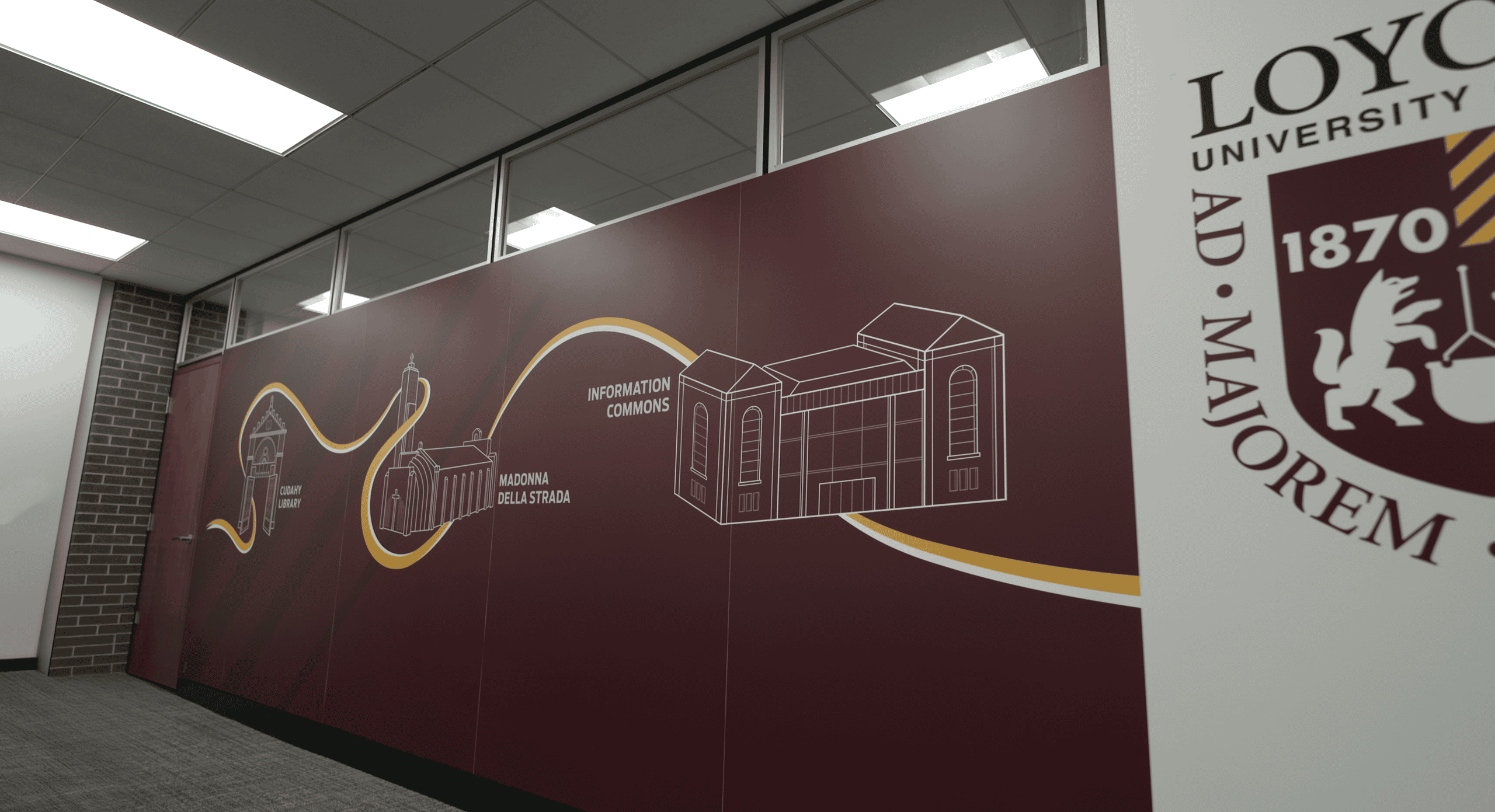
Working with Loyola and its project partner, Power Construction, Thysse helped execute an environmental graphics package that brought cohesion, warmth, and Loyola pride to the space. Materials and finishes were selected to complement the building’s distinguished architectural character, with close attention to fit, finish, and visual continuity across surfaces.
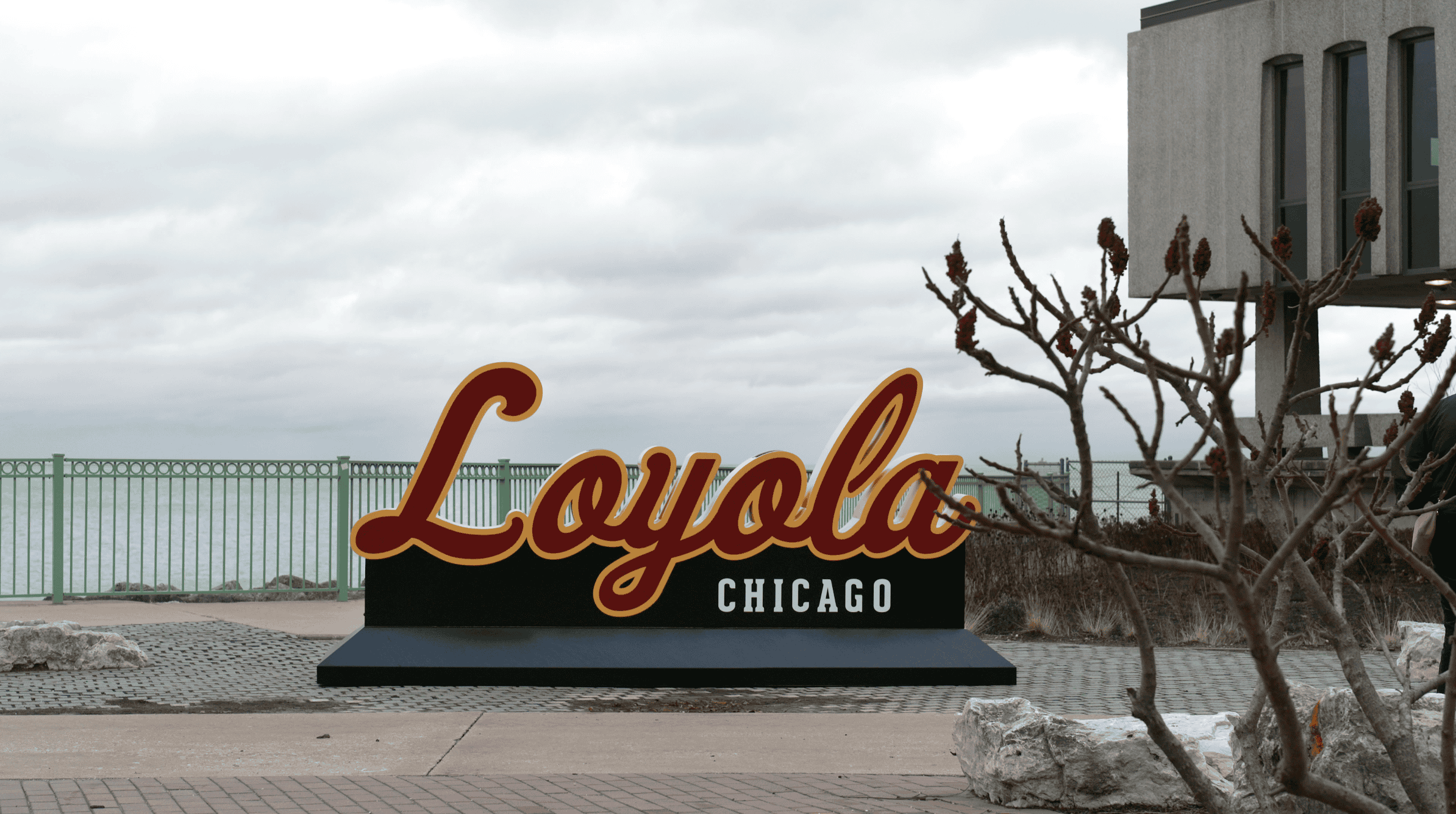
One of the project’s most celebrated features is the Loyola “selfie sign”—a 12-foot-by-5-foot metal monument sign positioned at a natural endpoint of campus tours overlooking Lake Michigan.
The Loyola ‘selfie sign’ has become a landmark location for our prospective students and their families to capture an authentic Loyola University Chicago moment. In the era of social media, we see the pride, enthusiasm and optimism of our future Ramblers in each image, fostering a true sense of belonging.- Patrick Brawley, University Architect & Assistant Vice President for Campus Planning
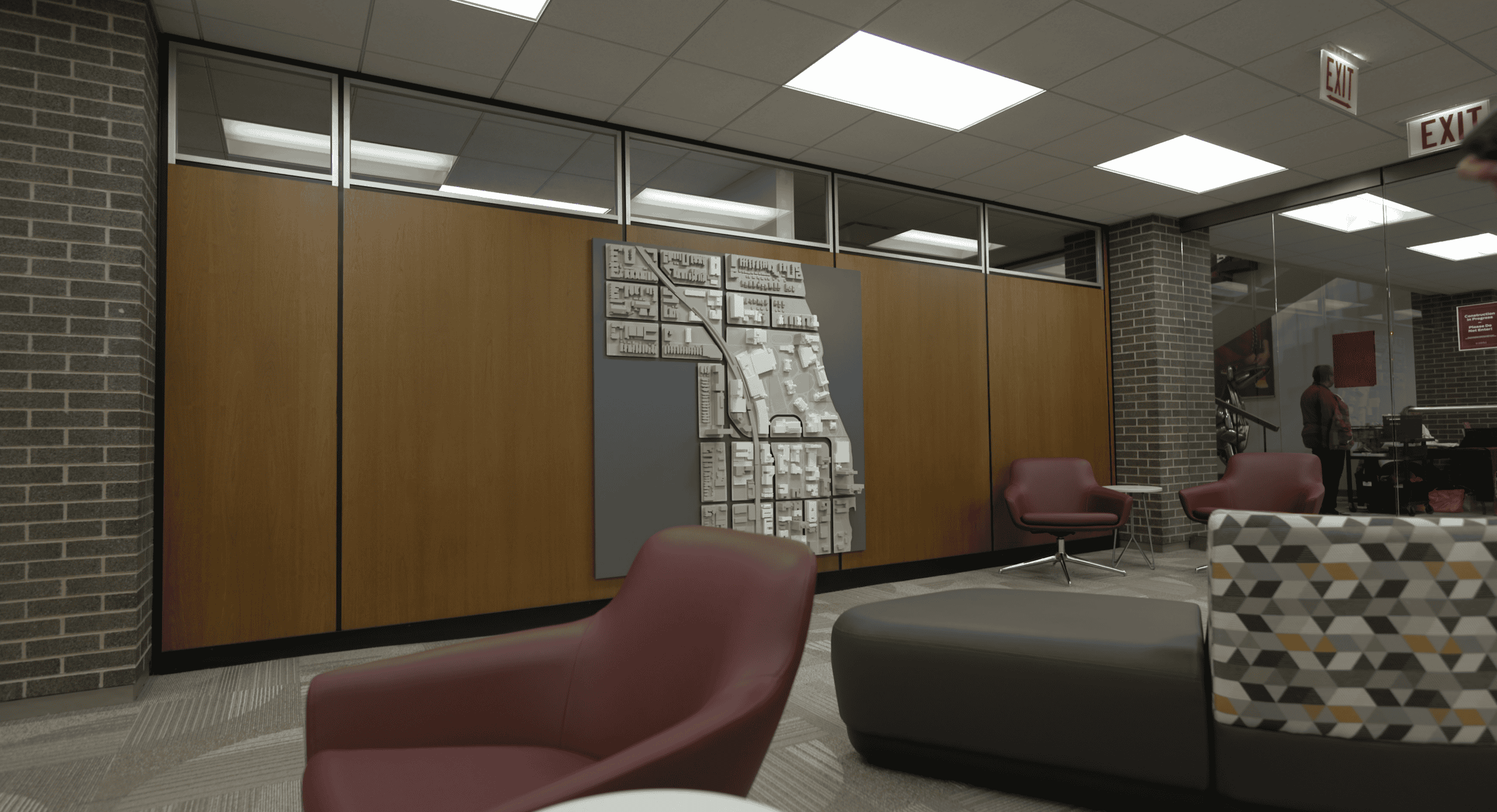
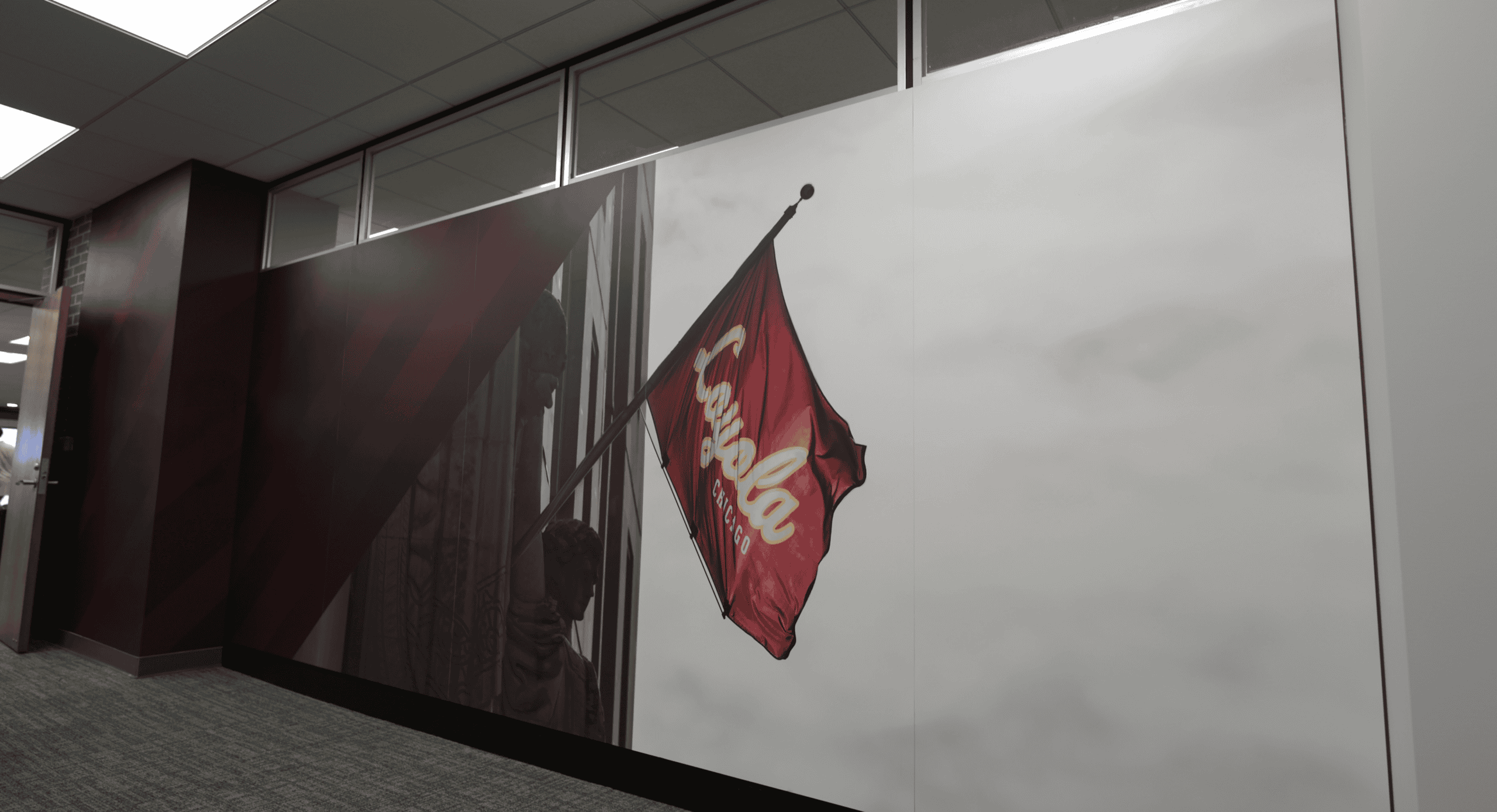

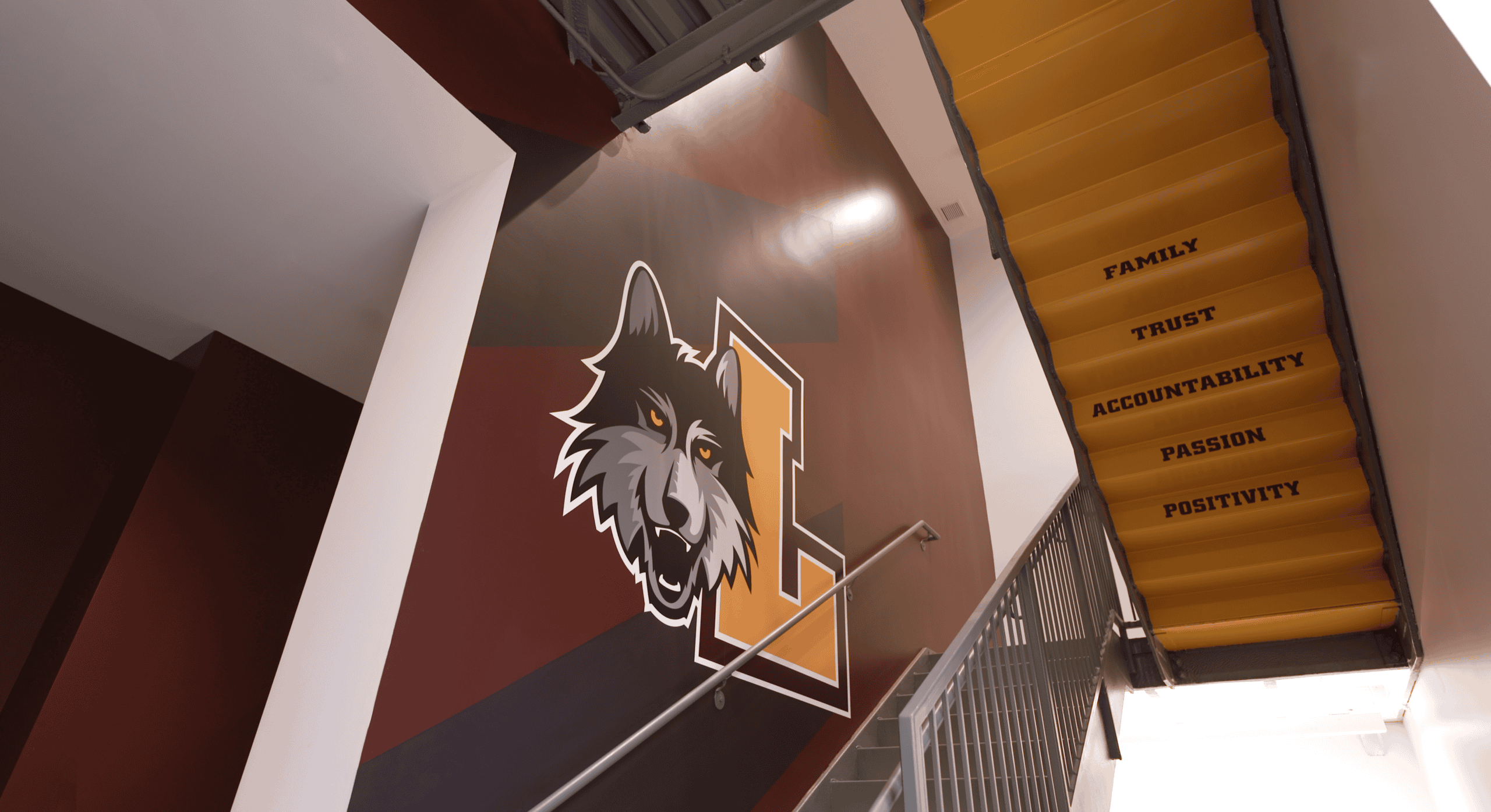
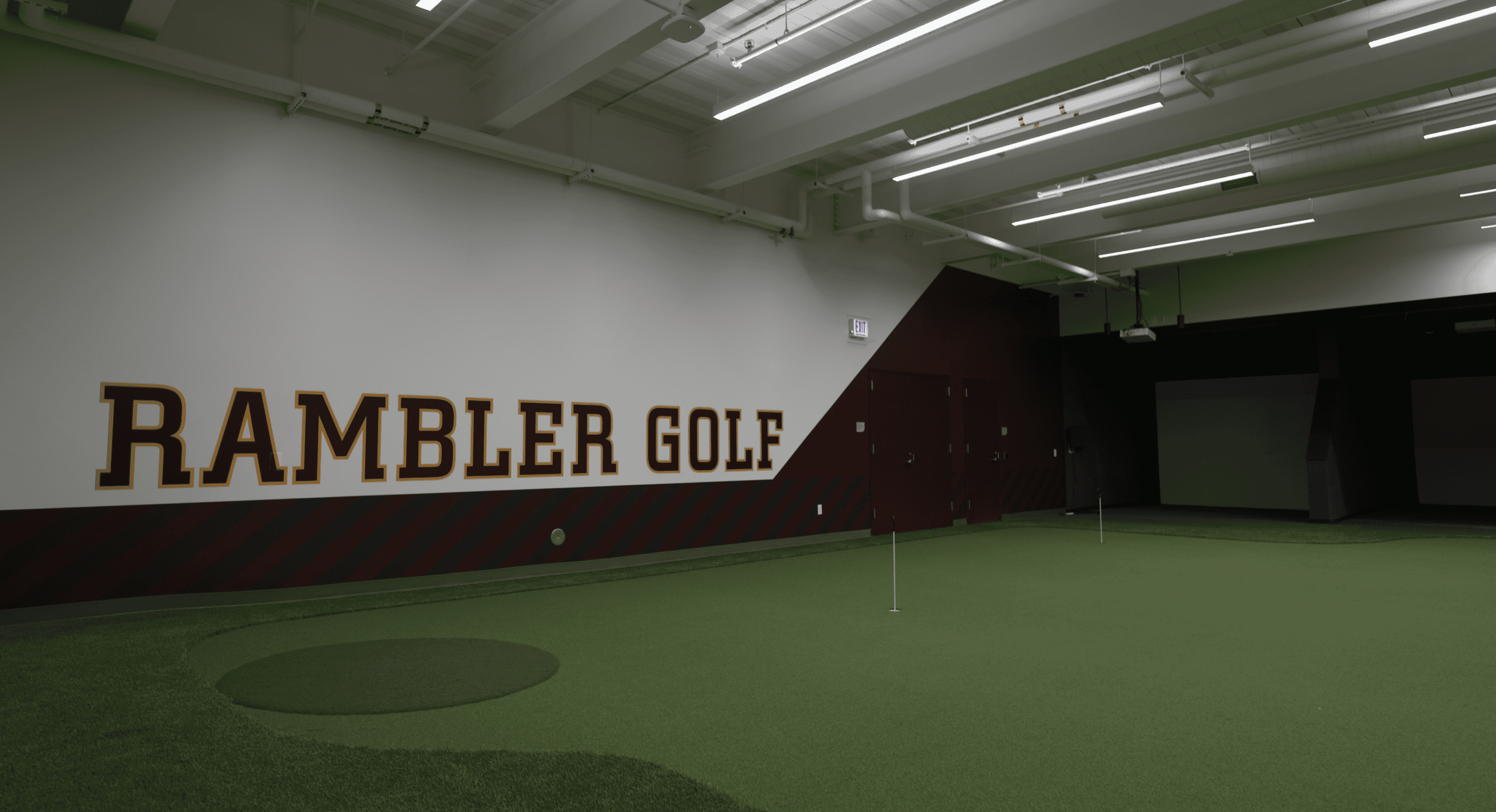
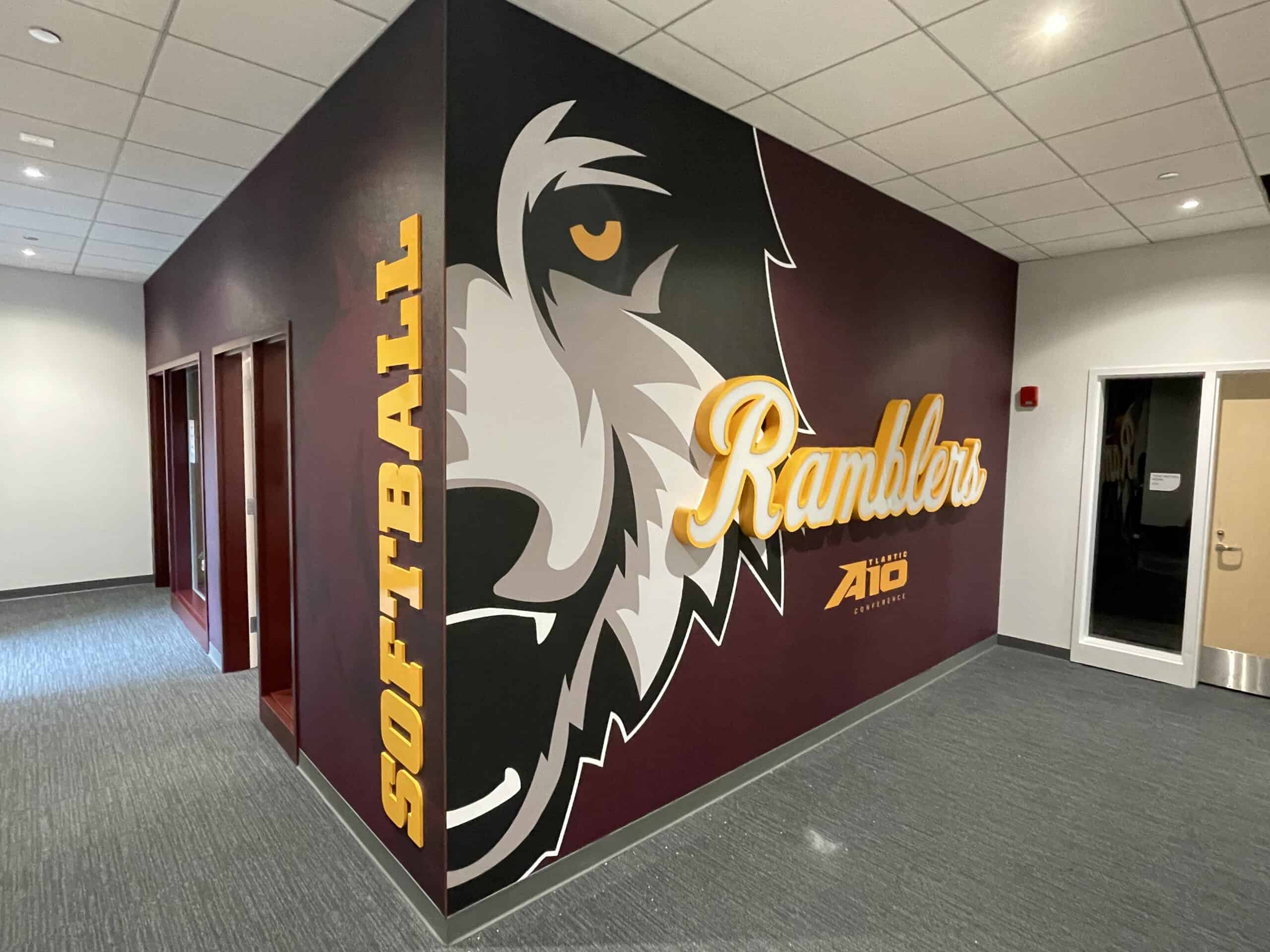
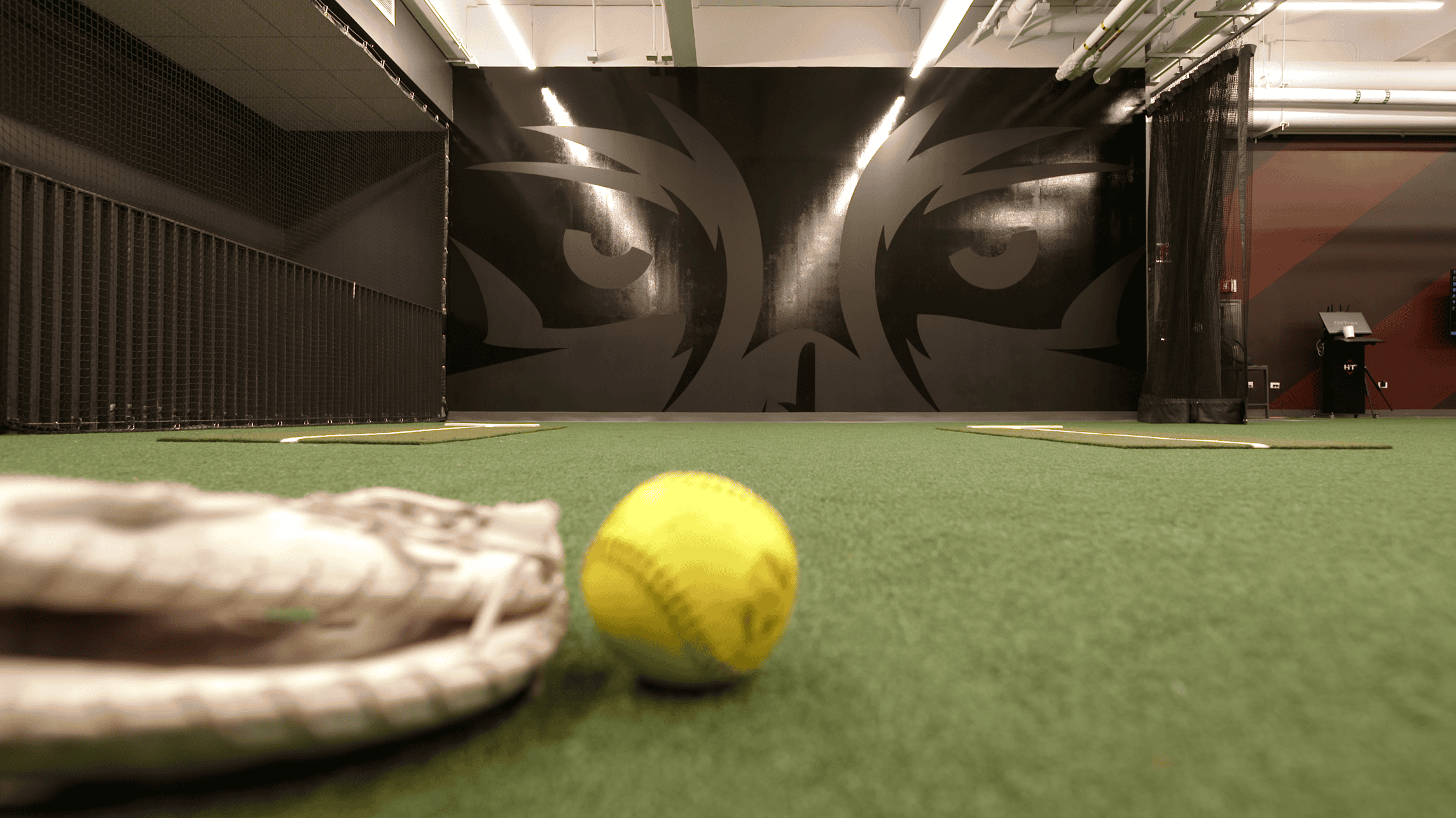
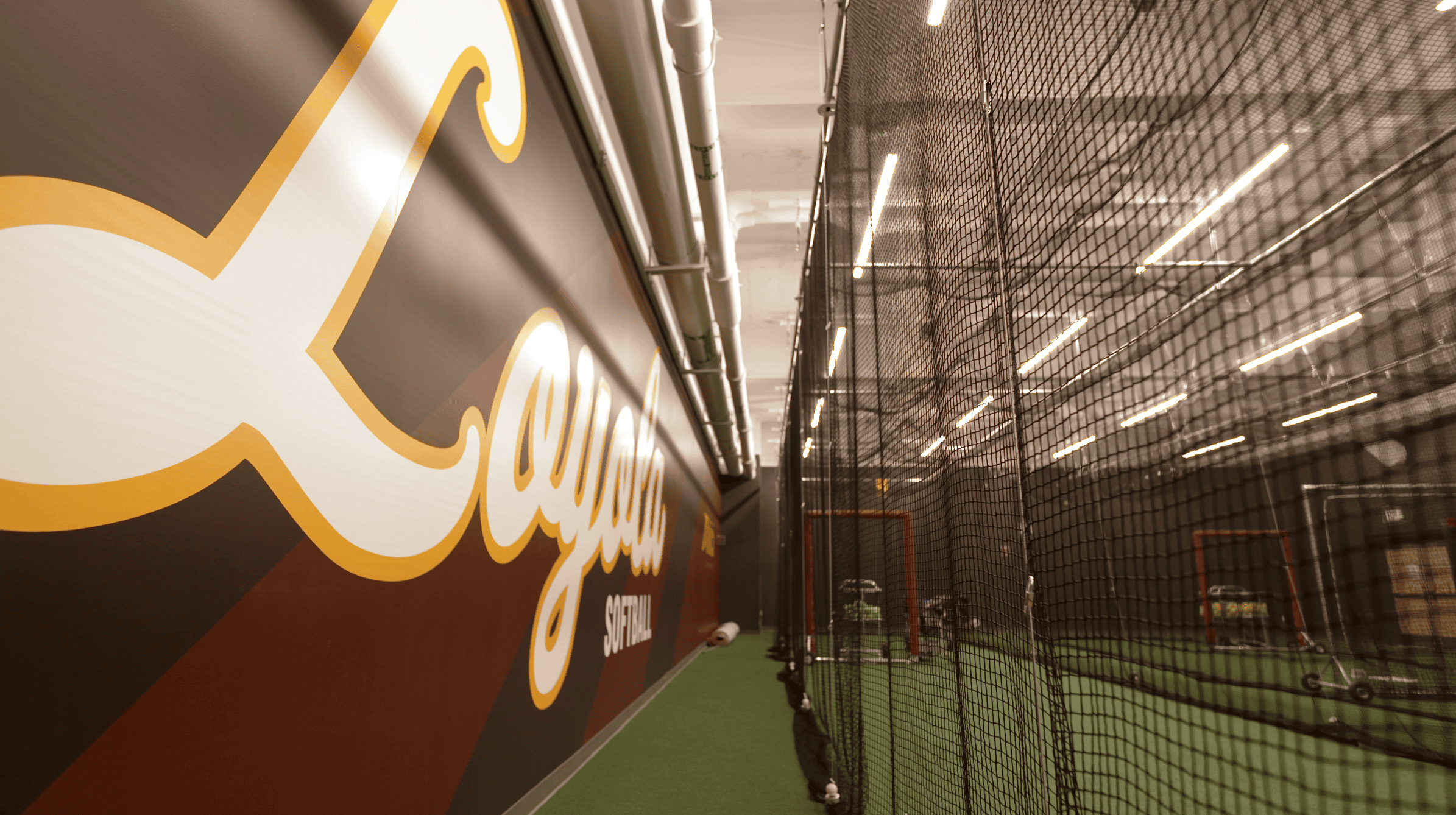
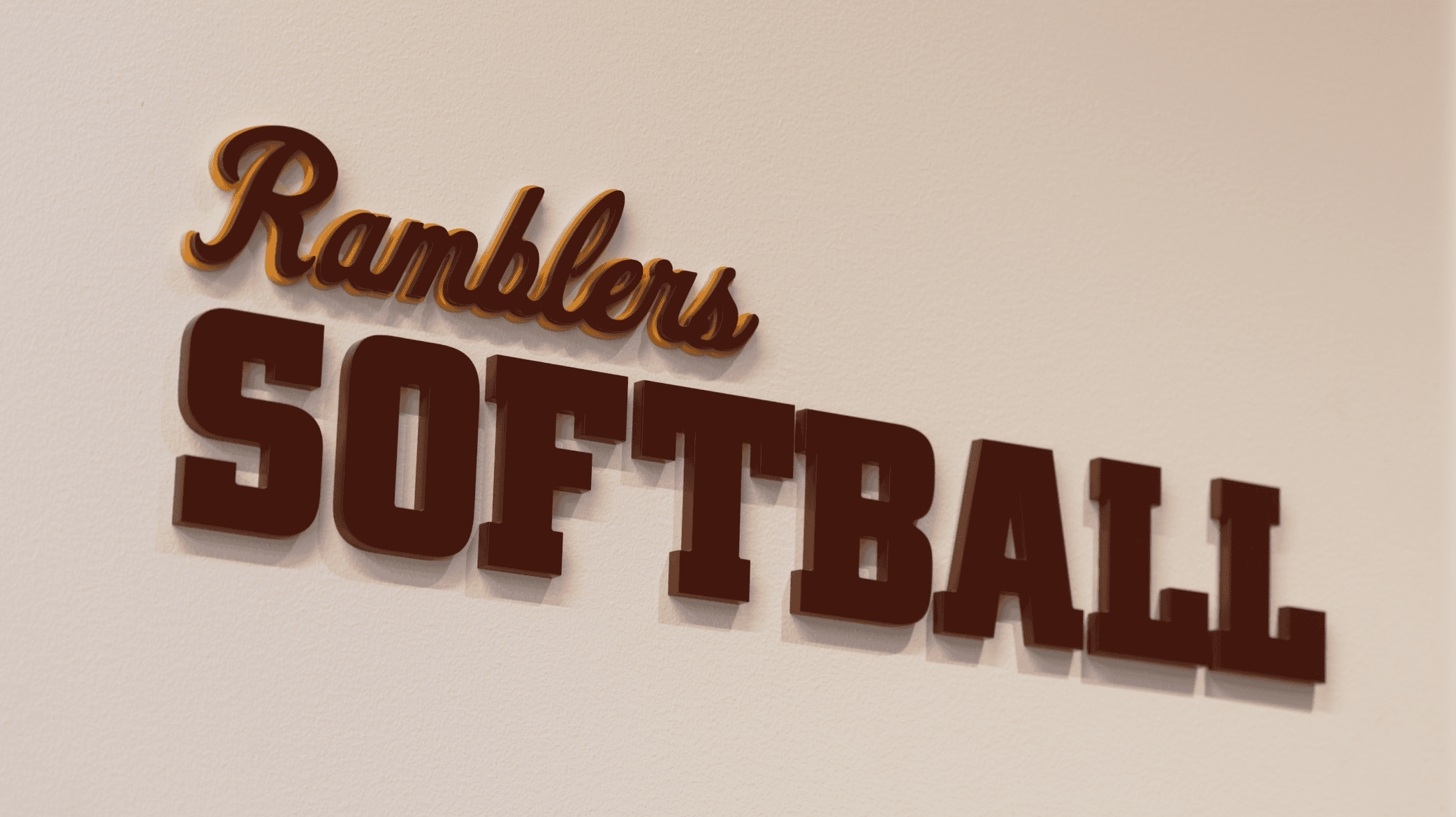
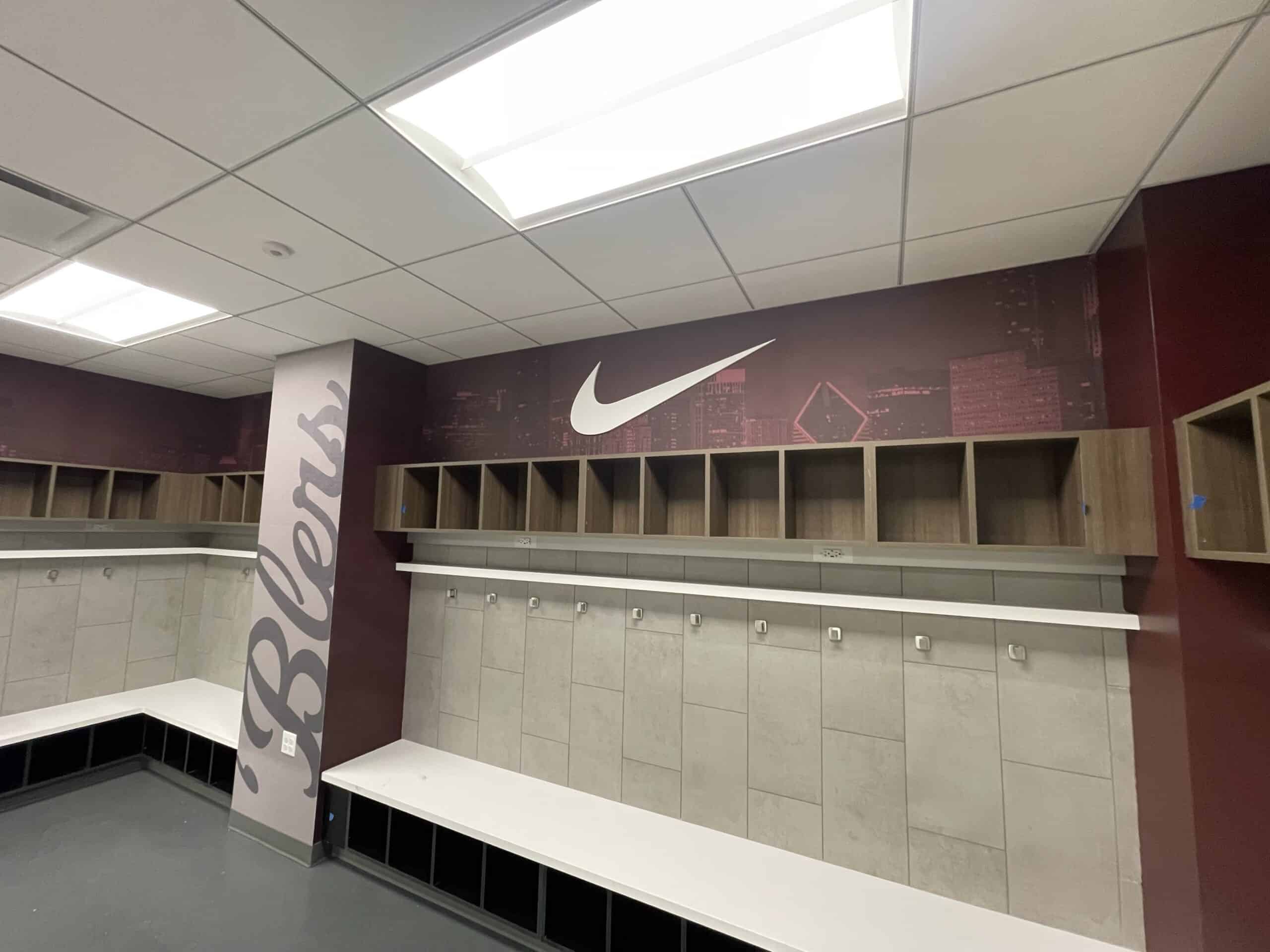
The Mullady Golf and Softball Training Center gave Loyola’s student-athletes a dedicated, purpose-built home—and created an opportunity to bring the Ramblers’ athletics identity to life throughout a dynamic, multilevel space.
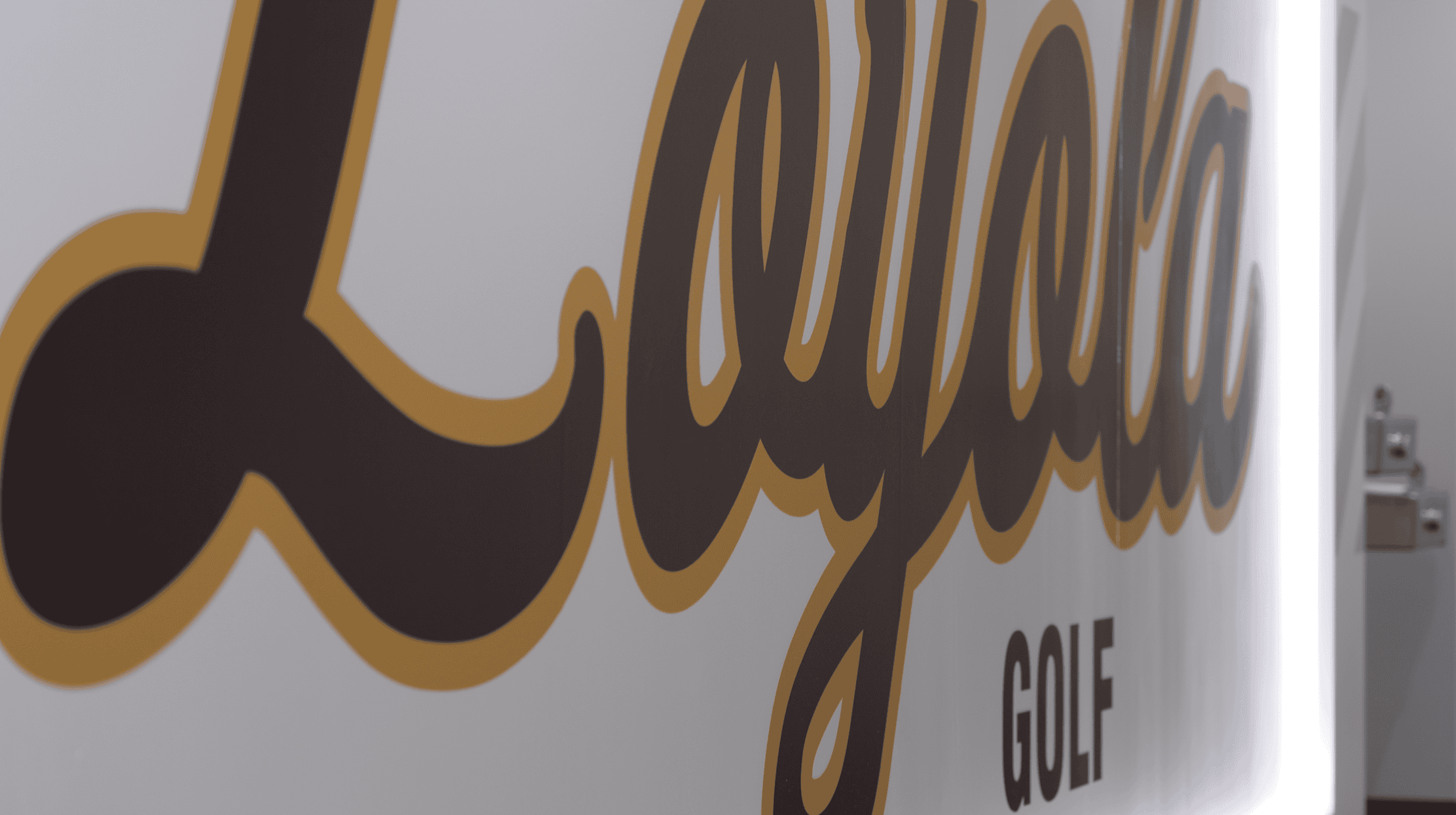
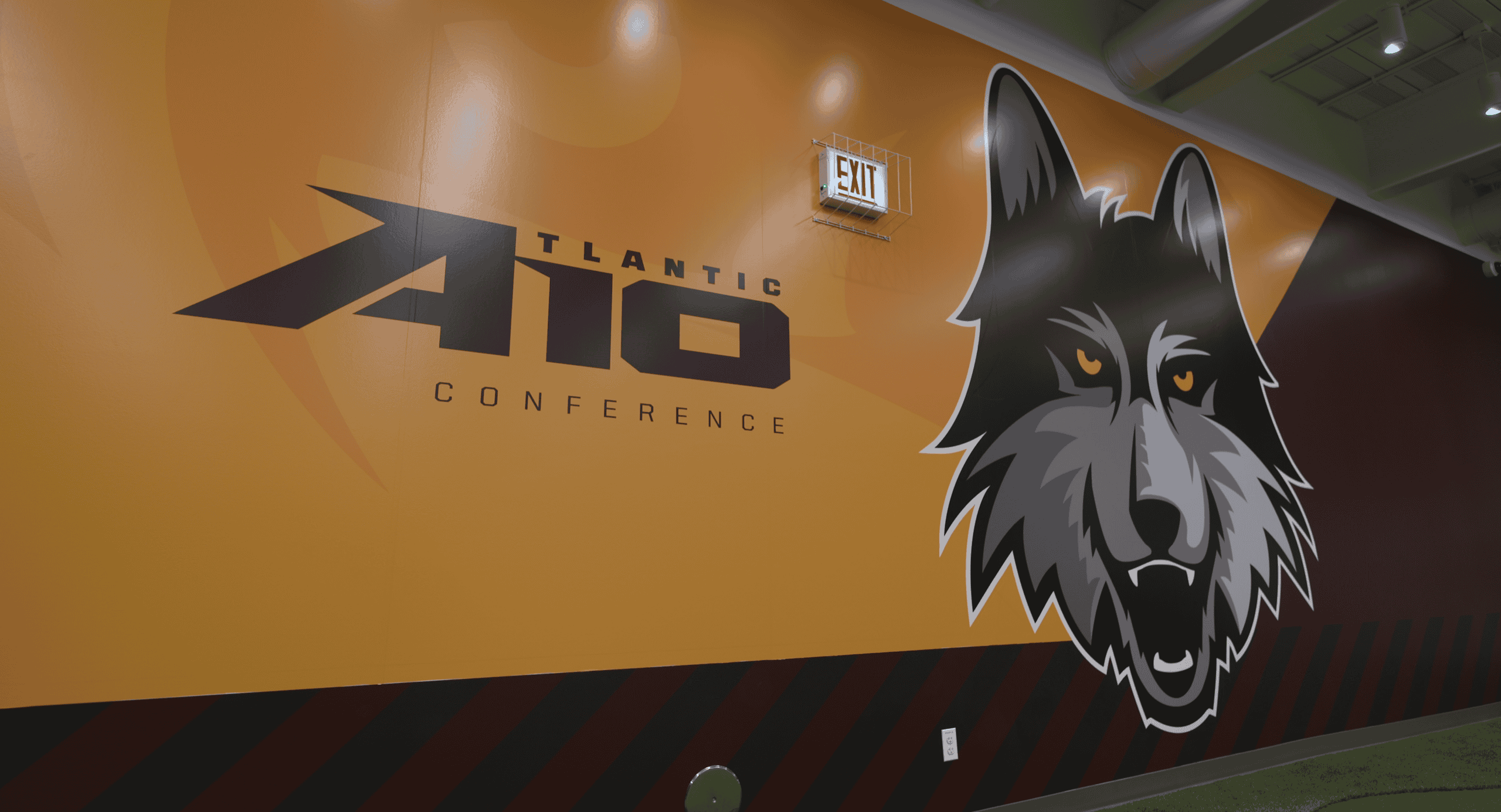
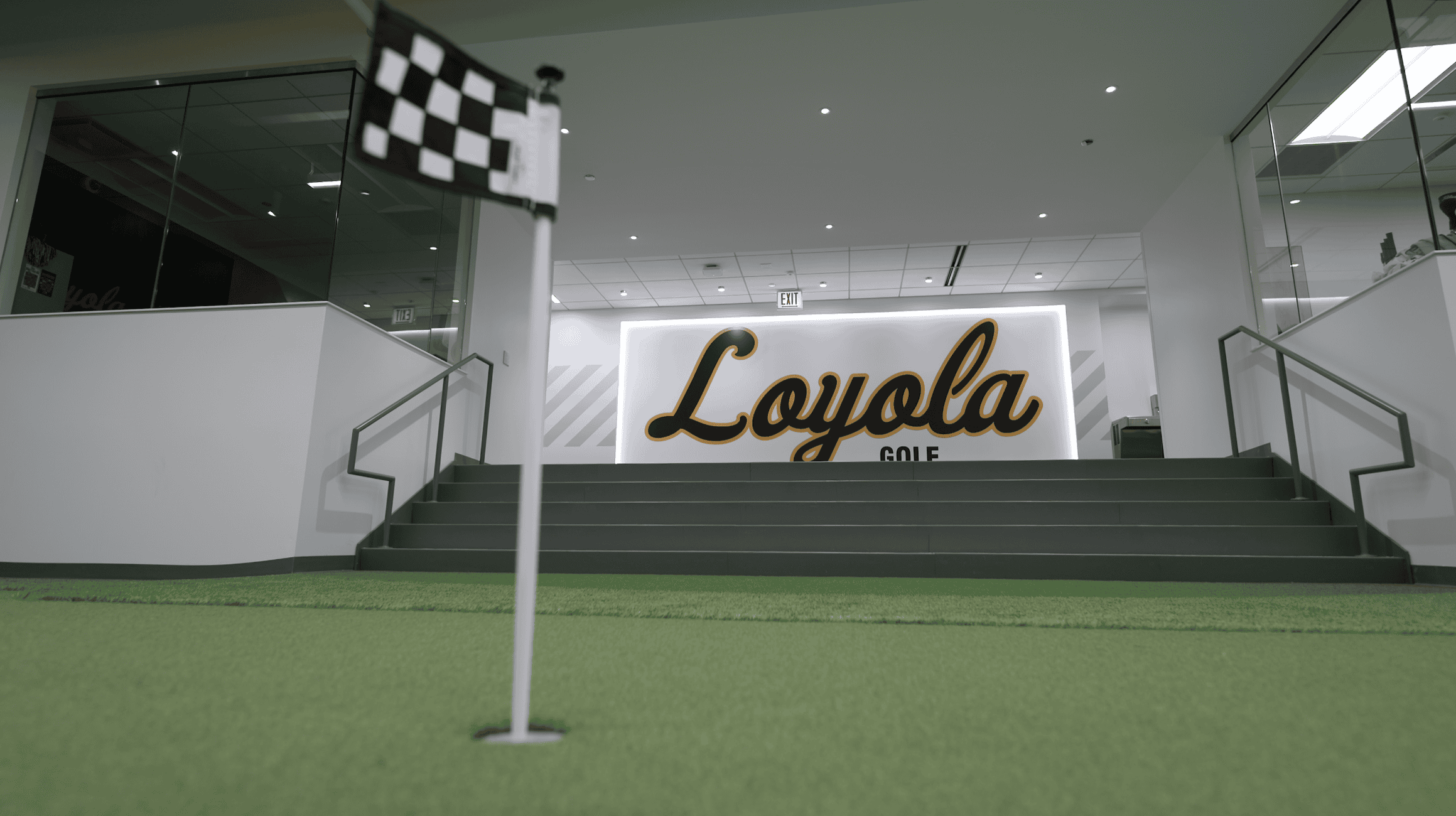
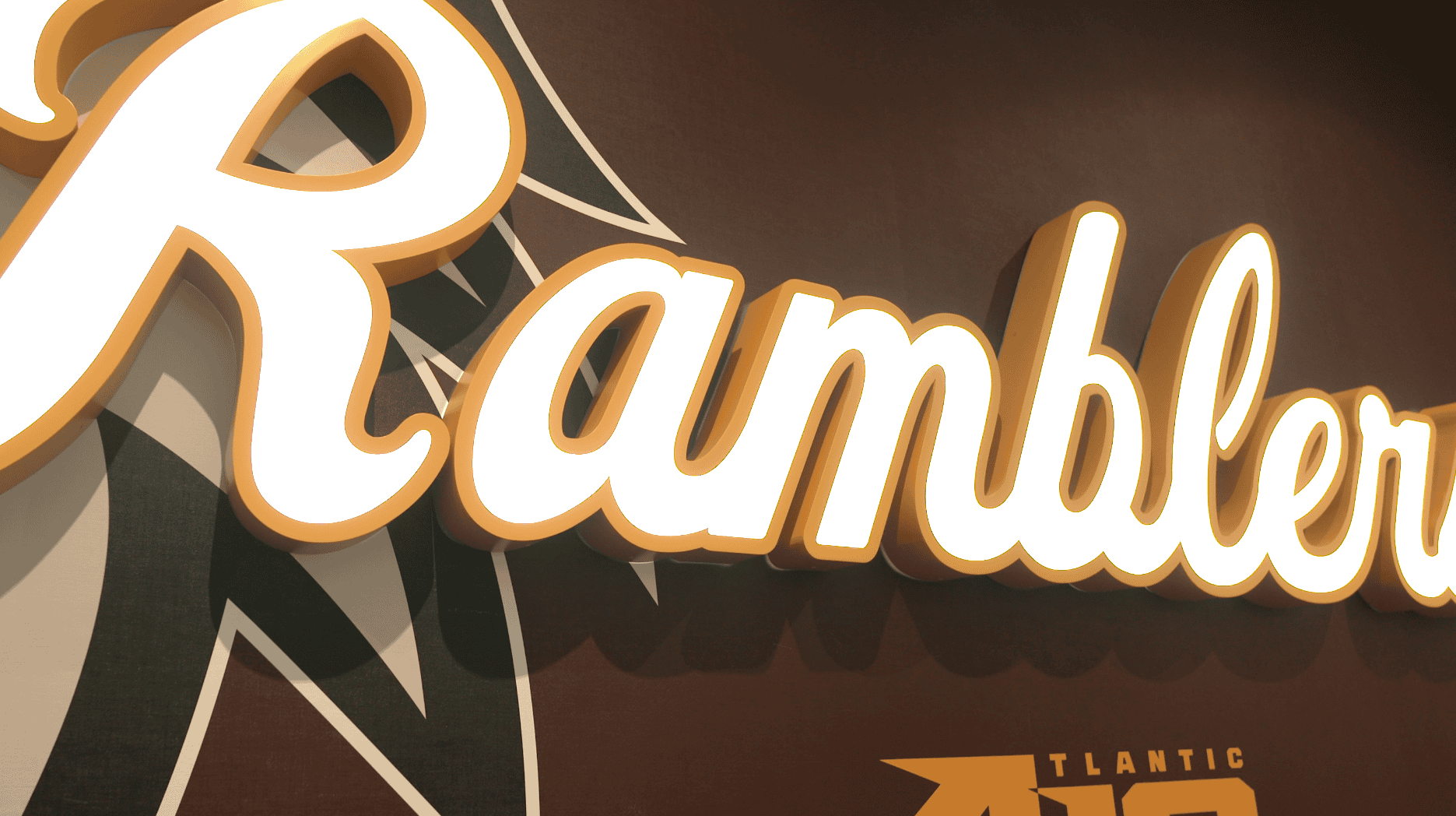
Designed by RDG and built out by Power Construction, the facility integrates with Loyola’s broader athletics program. Thysse led the production and installation of the environmental graphics package, including large-format wall graphics, rigid graphic panels, illuminated signage, and branded flooring treatments.
Careful attention was given to how each graphic would perform and appear across different materials, architectural conditions, and viewing distances. Color consistency was especially important, helping the various components read as one cohesive branded environment.
The completed space makes the pride, ideals and identity of Loyola Athletics tangibly accessible to student-athletes, recruits and visitors. These expressions of brand, culture and expectation amplify and enhance the outcomes facilities like this are created for.
Loyola’s campus is defined by architectural character—materials, textures, and surfaces that reflect both its history and its continued evolution. Thysse’s approach to material selection followed a straightforward principle: every element should enhance the space around it rather than compete with it.
For surfaces with distinct textures and architectural characteristics, Thysse specified graphic materials and adhesive systems suited to the application. Wallcoverings, rigid panels, and vinyl graphics were evaluated and tested to support consistent color, alignment, adhesion, and finish across a wide range of install conditions.
That attention became especially important where graphics transitioned between materials, wrapped architectural corners, or extended across large features. Planning and product testing helped ensure the individual components worked together visually while performing appropriately within their environments.
The result is brand experience that feels integrated into the architecture rather than simply applied to it.
University campuses are complex environments. Facilities, planning, marketing, athletics, architects, contractors, and other stakeholders may each oversee different aspects of a project and the brand experience it creates.
Thysse’s experience with large and often diverse stakeholder priorities helps projects like this progress smoothly.
Throughout the Loyola projects, the team coordinated with relevant decisionmakers to document concepts, confirm materials and placements, manage approvals, and prepare for installation. A disciplined presentation and proofing process helped keep decisions clear, reduce surprises, and align the finished work with the approved vision.
Phil Pitluck, who leads the Loyola relationship for Thysse, brings more than 30 years of environmental graphics experience to the work. That background helped bring these first two projects in on time and budget.
Thysse currently has multiple active Loyola projects underway, including additional facility branding, classroom enhancements, architectural column treatments, and continued athletics work.
The relationship continues to expand across more campus locations, more Loyola teams, and more opportunities to bring the Ramblers’ brand to life in spaces that matter.
As the partnership grows, so will the story.
Thysse produced and installed environmental graphics, signage, wall graphics, rigid graphic panels, illuminated signs, branded flooring treatments, and a large metal monument sign across multiple Loyola University Chicago facilities.
The release of campus project announcements are governed by the University. We’ll provide updates and new project showcases on our website and social channels when we’re able to - so follow us if you’d like to see these and other projects we’re working on.
The Loyola “selfie sign” is a 12-foot-by-5-foot metal monument sign overlooking Lake Michigan near the Sullivan Welcome Center. Located at a natural endpoint of campus tours, it has become a popular photo destination for prospective students and their families.
Intentionally creating branded photo opportunities like this can extend the campus experience beyond the visit itself, encouraging social sharing and building broader brand awareness.
Thysse evaluated graphic materials, wallcoverings, rigid panels, vinyl films, and adhesive systems based on the architectural surfaces and conditions within each space. Materials were selected and tested to support consistent color, alignment, finish, and long-term performance. Brick, concrete, wood and a range of engineered surface substrates—as well as the atmospheric conditions around them—must be factored in to get durable, high-quality results.
Thysse provides both. Our in-house experiential graphic design team supports full-scope facility branding projects from concept development and design through production and installation.
Our approach is also flexible. Thysse can lead the entire process or integrate with an existing architect, design firm, contractor, or internal team where additional support is needed. It is common for projects that begin with production and installation to expand to include experiential design support as timelines shift, change requests arise, or new opportunities place added demands on the original project team.
From a single landmark installation to a coordinated, multi-facility program, Thysse helps organizations translate their brands into physical spaces through environmental graphics, signage, material expertise, and installation support.